
 George Anjay
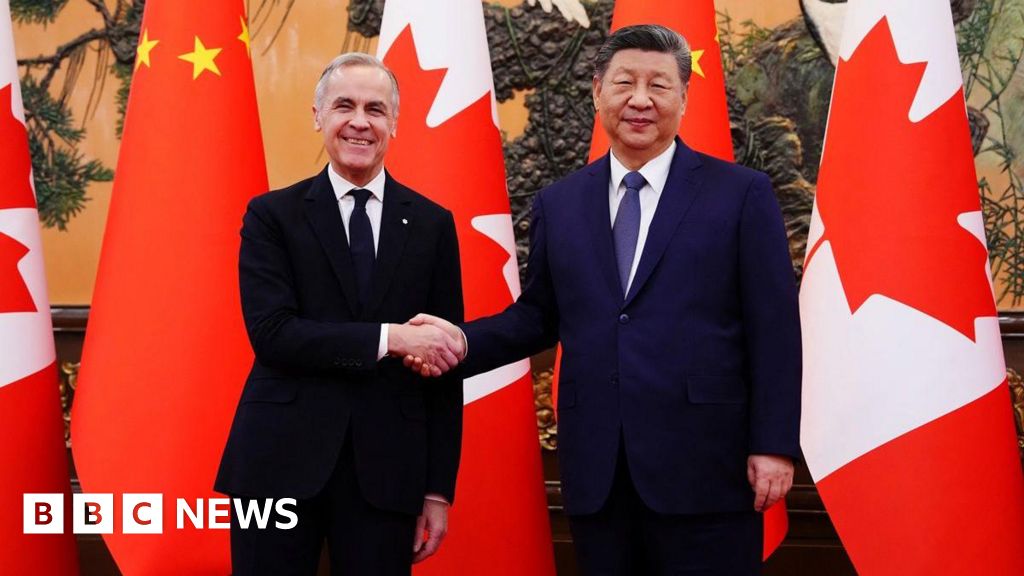
In a significant recalibration of bilateral relations, Chinese leader Xi Jinping and Canadian Prime Minister Mark Carney have jointly announced a substantial reduction in tariffs, signaling a potential reset in the diplomatic and economic ties between Beijing and Ottawa. The agreement, reached following a high-stakes meeting in the Chinese capital, aims to ease years of strained relations and retaliatory trade measures that have impacted key sectors for both nations.
China is poised to lower its tariffs on Canadian canola oil from a punitive 85% to a more manageable 15% by March 1st. This move is a crucial development for Canada’s agricultural sector, which has been heavily impacted by Beijing’s trade restrictions. In reciprocal action, Canada has agreed to apply the most-favoured-nation (MFN) tariff rate of 6.1% to Chinese electric vehicles (EVs), a significant concession that could open up the Canadian market to a greater influx of Chinese automotive exports. Prime Minister Carney disclosed these details to reporters, emphasizing the breakthrough nature of the agreement.
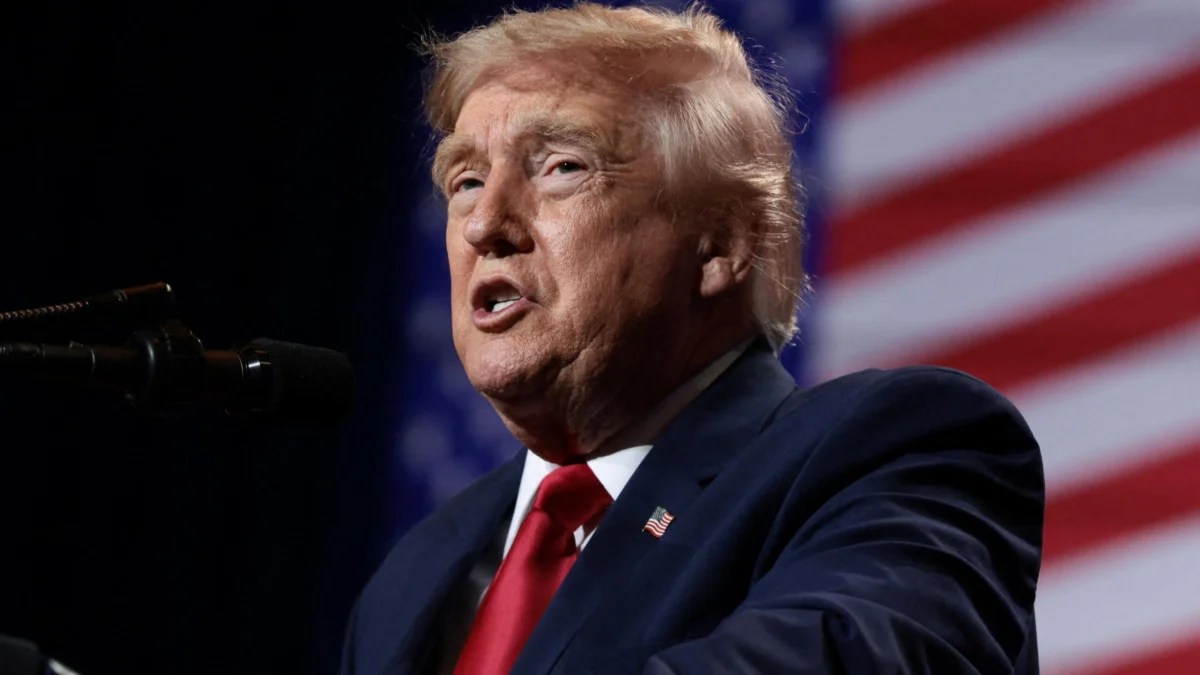
This accord represents a notable turning point after a protracted period characterized by strained diplomatic exchanges and tit-for-tat levies. Xi Jinping lauded the outcome as a "turnaround" in the relationship, while for Prime Minister Carney, the visit marks a significant diplomatic achievement as the first Canadian leader to engage in high-level talks in China in nearly a decade. Carney’s administration has been actively seeking to diversify Canada’s trade portfolio, aiming to reduce its heavy reliance on the United States, its largest trading partner. This strategic pivot has been influenced by the persistent uncertainty surrounding trade policies and tariffs imposed by the Trump administration.
The newly forged trade agreement could also pave the way for increased Chinese investment in Canada, strategically positioning Chinese enterprises on the doorstep of the United States. Prime Minister Carney subtly acknowledged the impact of American tariffs, suggesting that these policies have inadvertently driven one of the U.S.’s key allies closer to its principal economic rival. He articulated to journalists that Canada’s relationship with China had become more "predictable" in recent months, describing his discussions in Beijing as "realistic and respectful."
However, Carney was also explicit in stating that Ottawa and Beijing do not see eye-to-eye on all issues. He emphasized that during his conversations with Xi Jinping, he clearly communicated Canada’s "red lines," which include concerns over human rights, allegations of election interference, and the fundamental need for clear "guardrails" in their interactions. Analysts suggest that Carney’s diplomatic engagement could serve as a model for other nations grappling with the economic repercussions of tariffs imposed by Washington.
In parallel, President Xi Jinping has been actively promoting China’s image as a stable and reliable global partner, advocating for more pragmatic and mutually beneficial ("win-win") relationships. This approach appears to be yielding results, with recent visits to Beijing by the presidents of South Korea and the prime ministers of Ireland, followed by anticipated visits from the UK prime minister and the German Chancellor. Carney underscored the evolving global landscape, stating that "the world has changed dramatically" and that Canada’s strategic positioning "will shape our future for decades to come."
Earlier in his three-day visit, Carney had posited that the Canada-China partnership was setting the stage for a "new world order," adding that the existing multilateral system had been "eroded, to use a polite term, or undercut." During the formal discussions at the Great Hall of the People on Friday, Xi Jinping remarked that "The healthy and stable development of China-Canada relations is conducive to world peace, stability, development, and prosperity."
A Trade Reset: Addressing Tariffs and Investment
Tariffs have been a central point of contention between Canada and China, significantly impacting bilateral trade flows. In 2024, Canada implemented a 100% tariff on Chinese electric vehicles, mirroring similar measures enacted by the United States. This action prompted Beijing to retaliate with tariffs on over $2 billion worth of Canadian agricultural and food products, including vital exports such as canola seed and oil. The imposition of these tariffs led to a notable decline of 10% in Chinese imports of Canadian goods in 2025.
Under the terms of the agreement reached on Friday, Canada will permit an annual quota of 49,000 Chinese electric vehicles to enter the Canadian market at the stipulated 6.1% MFN tariff rate. This cap is a direct response to concerns voiced by Canadian automotive manufacturers regarding the potential for an overwhelming influx of affordable Chinese EVs that could disrupt the domestic market.
China holds significant importance as Canada’s second-largest trading partner, with two-way merchandise trade exceeding C$118 billion (approximately $85 billion USD, or £63 billion GBP) in 2024. While this figure substantially trails behind trade with the United States, Canada’s closest ally, which recorded over $761 billion (approximately £568 billion GBP) in goods traded with Ottawa in the same year, economic ties with China are of growing strategic importance for Prime Minister Carney. Ahead of his visit, Carney articulated Canada’s focus on cultivating a "more competitive, sustainable, and independent economy" amidst a backdrop of "global trade disruption."
Carney, who commenced his three-day visit to Beijing on Wednesday, engaged with senior executives from leading Chinese enterprises, including a prominent electric vehicle battery manufacturer and a major energy conglomerate. The preceding day, Thursday, saw the signing of several bilateral agreements focused on energy and trade cooperation between the two nations. Colin Robertson, a former Canadian diplomat and vice-president at the Canadian Global Affairs Institute, characterized the visit as a "reset of a relationship" that, while potentially "modest in ambition," is "much more realistic about what we can reasonably obtain."
A Frosty History: Navigating Diplomatic Tensions
The last Canadian Prime Minister to visit China was Justin Trudeau, who met with Xi Jinping in Beijing in 2017. This engagement predated a significant deterioration in bilateral relations in 2018, following Canada’s arrest of Meng Wanzhou, the chief financial officer of Chinese tech giant Huawei, at the request of the United States. In what was widely perceived as retaliatory action, China subsequently detained two Canadian citizens, Michael Kovrig and Michael Spavor, on espionage charges, a move that China consistently denied as being linked to Meng’s arrest. Meng and the two Canadians were eventually released in 2021.
In anticipation of the Carney-Xi meeting, Michael Kovrig, one of the detained Canadians, posted on X (formerly Twitter) that the visit should not solely focus on thawing relations but also on "managing leverage." Kovrig described Chinese negotiators as "extremely adroit, calculating, and always looking for leverage," advising that engagement must be handled with "discipline." He also urged Prime Minister Carney to advocate for the approximately 100 Canadians reportedly imprisoned in China, according to Canadian media reports.
Addressing reporters, Prime Minister Carney made it clear that in engagements with countries that do not share Canada’s core values, Ottawa will pursue a "narrower, more specific" approach. "We’re very clear about where we cooperate, where we differ," he stated, adding that Chinese assertions regarding self-governed Taiwan and the prosecution of Hong Kong’s jailed pro-democracy figure Jimmy Lai were discussed in "broad discussions." Carney acknowledged that Canada and China possess "different systems," which inherently limits the scope of their cooperation. He concluded by emphasizing the importance of direct dialogue, stating, "But to have an effective relationship, we have direct conversations. We don’t grab a megaphone and have the conversations that way."



 Roy Suryo

 Nakalama John
 atisusanti
 Ramos Leo
