Nana Banana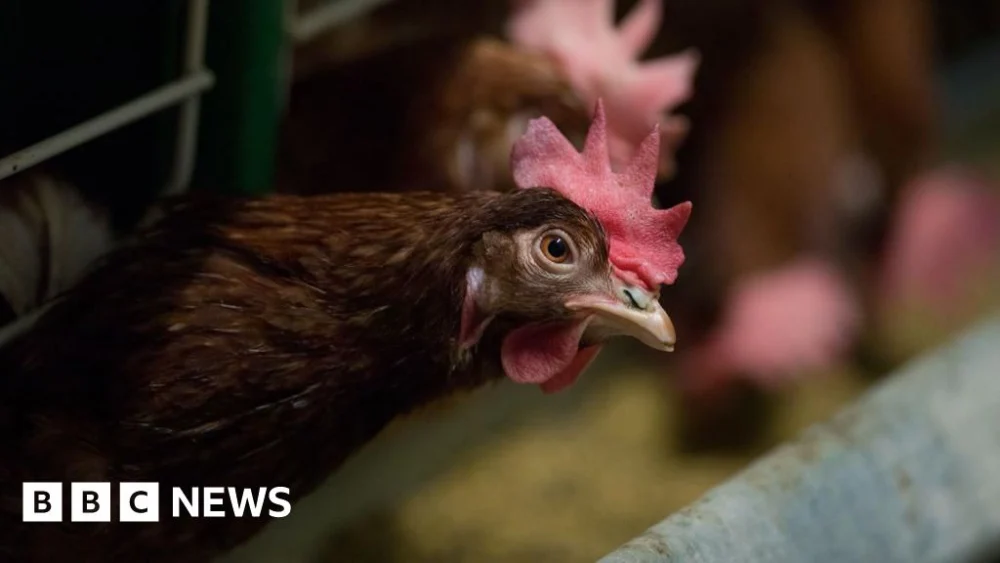
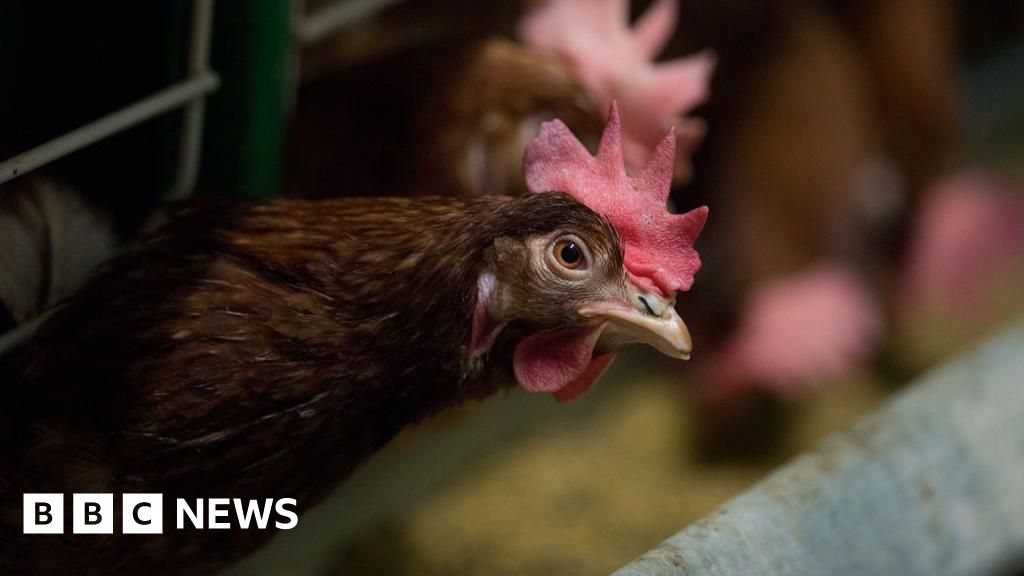
At the heart of the reforms is the proposed end to the use of hen cages, a move that will see England transition away from systems that confine laying hens. While conventional battery cages for individual hens were already outlawed in the UK, the new measures specifically target "enriched ‘colony’ cages," which house multiple chickens but still restrict their natural behaviours. Animal welfare advocates argue that even these ‘enriched’ cages fail to provide adequate space for hens to express essential natural behaviours like dust bathing, foraging, and wing flapping, leading to stress and physical ailments. With an estimated 80% of hens in the UK already free-range, the RSPCA’s head of public affairs, David Bowles, suggested that removing the remaining 20% from caged systems should not pose a "massive commercial problem," indicating a potentially smoother transition for the poultry industry. The government plans to consult on phasing out these colony cages, working closely with the farming industry to ensure a viable path forward.
Similarly, the package of reforms aims to move away from the use of pig farrowing crates. These crates are designed to contain sows during birth and the crucial nursing period, primarily to prevent them from accidentally rolling over and crushing their piglets. However, critics argue that these crates severely restrict the sow’s movement, preventing her from turning around, walking, or properly bonding with her young in a natural environment. This confinement can lead to significant stress, frustration, and a lack of muscle tone for the mother pig. The new strategy commits to exploring how to transition away from farrowing crates to alternative systems, such as free-farrowing pens or more flexible farrowing systems that allow the sow greater freedom of movement while still offering protection for piglets. The National Pig Association has indicated it will be "following the next steps closely," suggesting a willingness to engage with the government on developing more welfare-friendly, yet practical, solutions for pig farmers.
Beyond these significant changes in livestock farming, the comprehensive strategy outlines a multitude of other reforms. Environment Secretary Emma Reynolds highlighted the government’s existing efforts, stating, "We’ve already acted to improve zoo standards, end puppy smuggling and protect livestock from dog attacks. Now, we’re planning to ban caged hens, cruel snares, trail hunting, and curb low welfare dog breeding." This broad scope demonstrates a concerted effort to address animal suffering across various domains. The new animal welfare strategy, detailed in a publication accessible via the Defra blog, underscores a holistic approach to animal protection.
One of the more contentious proposals includes outlawing controversial "Frankenchickens" – a term coined by animal welfare campaigners to describe fast-growing broiler breeds. These birds are genetically selected and bred to grow at an unnaturally rapid pace to maximize meat production, often reaching slaughter weight in just a few weeks. This accelerated growth frequently leads to severe welfare issues, including lameness, painful skeletal problems, organ failure (particularly heart and lung issues), and an inability to support their own body weight. Animal welfare organisations like Compassion in World Farming UK have long campaigned against these practices, arguing that the intense selective breeding prioritises profit over the birds’ health and ability to live naturally. Anthony Field, head of Compassion in World Farming UK, lauded the government’s initiative, stating it was "raising the bar for farmed animal welfare." The ban on these breeds would necessitate a shift towards slower-growing varieties, potentially impacting production cycles and costs for the British poultry industry.
However, the proposed changes are not without their critics, particularly from farming unions concerned about the economic implications. National Farmers’ Union (NFU) President Tom Bradshaw voiced a strong warning, urging the government to ensure that imported food adheres to the same stringent animal welfare standards that will be required of British farmers. He expressed fears that failing to do so would create an uneven playing field, forcing domestic producers to compete with cheaper goods from countries with lower welfare requirements. "If we don’t implement the changes that we want to have in our production systems here within our import standards, then all we do is export our industry overseas," Bradshaw told BBC Radio 4’s Today programme. This sentiment reflects a broader anxiety within the farming community about the competitiveness of British agriculture post-Brexit, where trade deals could potentially undermine domestic standards. In response, the Department for Food and Rural Affairs (Defra) affirmed its commitment to not lowering food standards and upholding high animal welfare standards in its trade approach, adding that it would "always consider whether overseas produce has an unfair advantage and any impact that may have."
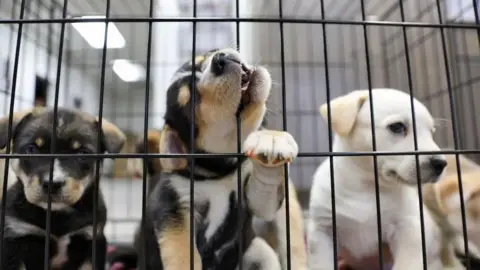
Beyond farmed animals, the strategy also targets practices impacting companion animals and wildlife. A significant reform involves a comprehensive ban on puppy farming, a practice widely condemned for its cruel conditions. Puppy farming typically involves keeping breeding dogs in squalid, overcrowded environments, often with inadequate food, water, veterinary care, or socialisation, solely for the purpose of producing multiple litters annually to maximise profit. These conditions severely compromise the health and welfare of both the parent dogs and their offspring, leading to a host of issues in puppies, including genetic diseases, behavioural problems, and severe health conditions often stemming from early separation from their mothers and poor early-life experiences. While it is not currently illegal to breed a large number of dogs, breeders selling three or more litters a year in England, Wales, and Northern Ireland are required to undergo an inspection and obtain a licence. However, campaigners argue that this system is insufficient and riddled with loopholes. The government’s plan includes launching a consultation on introducing a new, more robust registration scheme for all dog breeders, alongside improving the health and welfare standards required for licences. The RSPCA views this as a "real game-changer" and has committed to working with the government to draft legislation that is watertight and "make sure there are no loopholes."
Another contentious element of the strategy is the proposed ban on trail hunting and the use of snare traps. Trail hunting, often presented as a legal alternative to traditional fox hunting (which was banned in 2004), involves laying an artificial scent trail for hounds to follow. However, critics argue that this practice is frequently used as a "smokescreen" for illegal fox hunting, with hounds inadvertently or intentionally picking up the scent of live animals. Environment Secretary Emma Reynolds acknowledged this concern, stating that while the 2004 ban on fox hunting was a step forward, "we have seen that people are trying to get around that ban by using trail hunting in some cases." She added, "Obviously that’s also a problem of enforcement, it’s not just the legislation, but we are determined to go further, which is why banning trail hunting is in the animal welfare strategy. We know sometimes it is used as a smokescreen for fox hunting." A consultation on this proposed ban is scheduled for 2026.
This stance has drawn fierce opposition from rural communities and organisations. Tim Bonner, chief executive of the Countryside Alliance, lambasted the government’s focus on hunting, calling it "unbelievable" and "completely unnecessary" to spend more parliamentary time on the issue. He argued that "people across the countryside will be shocked that after Labour’s attack on family farms and its neglect of rural communities it thinks banning trail hunting and snares used for fox control are a political priority." Echoing this sentiment, Conservative chairman Kevin Hollinrake branded the proposed ban as an "attack on rural Britain and British culture," accusing the government of "punishing the law-abiding majority who support legal trail hunting."
The ban on snare traps also addresses a long-standing concern among animal welfare groups. Snares are wire nooses designed to catch animals around the neck or body, typically used for pest control, particularly foxes. However, they are often indiscriminate, catching non-target species like badgers, deer, and even domestic pets. Animals caught in snares can suffer prolonged periods of pain, fear, and injury, often leading to slow, agonizing deaths or severe trauma. The proposed ban reflects a commitment to ending practices deemed cruel and inhumane in wildlife management.
In summary, England’s newly unveiled animal welfare strategy represents a significant shift towards more humane treatment of animals across various sectors. From phasing out confinement systems in farming and addressing the welfare of fast-growing poultry breeds, to tackling the cruel realities of puppy farming, banning trail hunting, and outlawing snares, the government’s proposals are comprehensive. While praised by animal welfare advocates as a bold step forward, the strategy faces scrutiny and potential challenges from agricultural bodies and rural communities concerned about economic impacts, fairness in trade, and perceived attacks on traditional rural activities. The coming years will see extensive consultations and legislative processes as England moves towards its ambitious 2030 target, aiming to cement its reputation as a world leader in animal welfare.




 George Anjay
 Nakalama John
 Ramos Leo