
 Nana Banana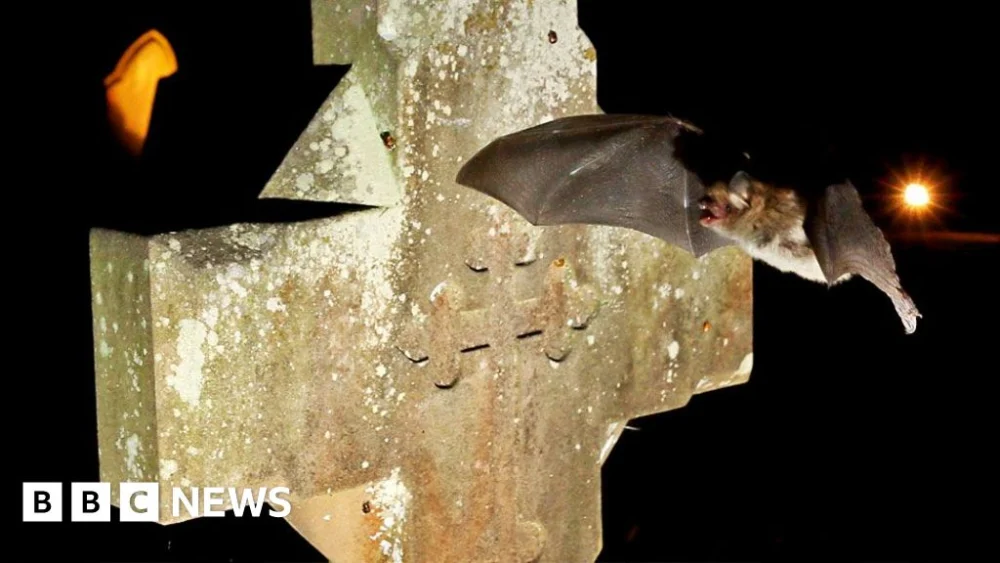
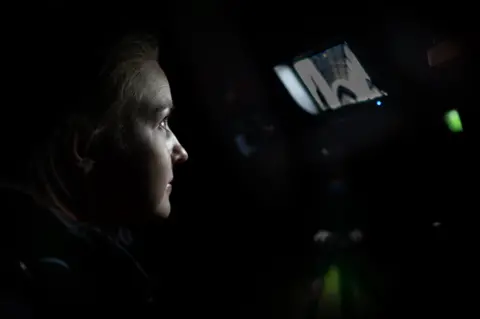
Specialist gear is carefully positioned, transforming the venerable space into a temporary research laboratory. Infrared cameras, sensitive to the heat signatures of warm-blooded creatures, are set up to pierce the gloom, revealing the bats’ movements. Thermal cameras capture even fainter temperature differentials, while advanced audio detectors are fine-tuned to frequencies beyond human hearing, ready to pick up the ultrasonic calls these winged mammals use to navigate and hunt. Soon, the quiet anticipation gives way to activity. The bats, emerging from their daytime roosts high in the rafters, begin their nightly dance, darting and swooping through the historic aisles. The air fills with the amplified sounds of their characteristic echolocation calls, a symphony of clicks and chirps that tells the story of an ancient co-existence.
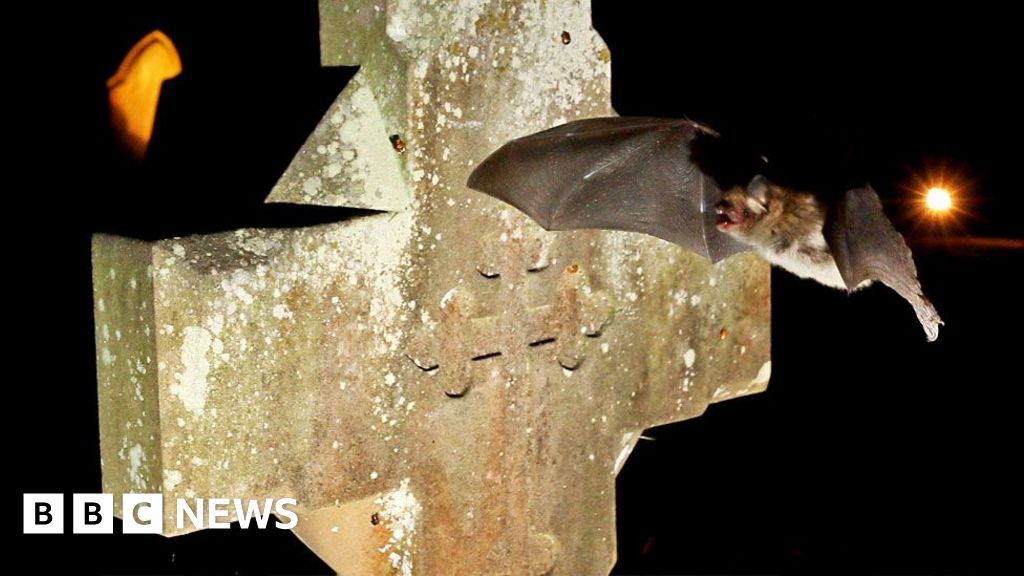
"Many of these churches have been on these sites for probably 1,000 years, and probably as long as they’ve been standing they’ve had bats in them," explains Diana Spencer, a key figure from the innovative Bats in Churches Project. This initiative highlights the long, often unnoticed, relationship between these architectural marvels and their flying inhabitants. A groundbreaking new study, recently published in the British Ecological Society’s esteemed journal People & Nature, has illuminated the critical role these historic buildings play as vital havens for the nocturnal animals. The research, which relied heavily on extensive citizen science surveys coordinated by the Bat Conservation Trust, provides a comprehensive overview, estimating that a staggering half of all churches in England—a figure exceeding 8,000 individual structures—are currently home to bat colonies. For older churches, those with centuries of history etched into their stone, this figure escalates even further, reaching approximately 80%.
Spencer eloquently describes these ancient structures as "basically like a man-made forest." This analogy captures the essence of their appeal to bats, providing a unique combination of features that mimic natural woodland habitats. Churches offer an abundance of "little nooks and crannies where they can roost," from intricate carvings and stone crevices to the spaces between roof timbers. Their expansive, often unobstructed interiors provide "big open flight spaces" for bats to forage and socialize, while the sturdy construction ensures "dry spaces inside, away from the rain." This combination of shelter, warmth, and space creates an "absolutely perfect environment" for multiple bat species, many of which are facing increasing pressure from habitat loss elsewhere.
At Guestwick, the team’s diligent monitoring has identified two primary species making the church their home: the widespread Common Pipistrelles and the more elusive Natterer’s bats. Both species favor roosting high up among the church’s ancient rafters, benefiting from the stable temperatures and secure environment. The Pipistrelles are typically the first to emerge, exhibiting a characteristic flurry of flight for a few minutes before deftly squeezing out through minute, almost imperceptible gaps around the church door, heading out into the night to hunt for insects. The Natterer’s bats, with their slightly different ecological needs, tend to emerge a little later, preferring to exit through small, often hidden holes in the roof structure to access the external environment and find food. Without the sophisticated aid of specialist cameras and advanced acoustic detectors, these creatures remain largely unseen and unheard, their presence almost impossible to detect in the inky darkness of the church interior. Indeed, the study revealed a significant finding: about a third of the churches surveyed had no prior knowledge that bats were living within their walls, underscoring the secretive nature of these animals.
However, in many other churches, the presence of bats is far from subtle. For these congregations and their caretakers, bats can be anything but quiet and invisible houseguests. "They’re lovely, but they’re problematic too," admits Graeme Peart, a churchwarden responsible for the upkeep of St Margaret’s Church in Saxlingham, a parish situated just a few miles from Guestwick. Peart recounts how the bats’ presence began to escalate into a significant nuisance approximately 15 years ago, transforming from an occasional sight into a persistent challenge for the historic building and its users.
The issues stemming from bat habitation are manifold and often severe. The most immediate and visible problems arise from their waste: "There’s the urine, the droppings," Peart laments. Bat guano, while a natural fertilizer, is corrosive and acidic, and in large quantities, it accumulates rapidly, causing considerable damage. "One time there was a carpet leading up to the altar that became absolutely sodden with urine and droppings and had to be thrown away," he recalls, highlighting the costly and labor-intensive consequences. Beyond soft furnishings, the corrosive nature of bat urine can also destroy delicate or ornate brass work, tarnishing and eroding historical artifacts that have stood the test of time for centuries. The continuous cleaning required to maintain the church’s sanctity and preserve its heritage places a significant burden on volunteers and often necessitates specialized conservation efforts.
The dilemma for church authorities is further complicated by legal protections. Bats are legally protected species in the UK under the Wildlife and Countryside Act 1981 (as amended) and the Conservation of Habitats and Species Regulations 2017. This robust legal framework means it is generally not permissible to disturb, harm, or remove bats or their roosts without a specific license, making direct eviction an impossible and illegal option. Faced with this challenge, St Margaret’s Church has worked proactively and collaboratively with the Bats in Churches team to devise an innovative and sustainable solution. Their answer came in the form of a specially designed, sealed-off loft conversion, meticulously constructed above the church’s vestry.
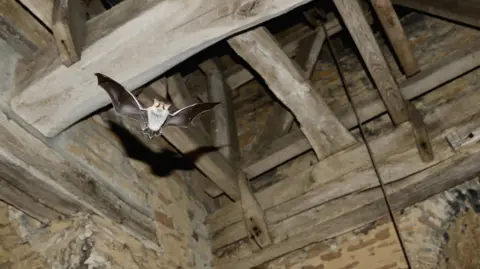
Ecologist Phillip Parker, who is intimately involved with the project, proudly sets up his ladder to offer a glimpse inside this bespoke bat sanctuary. "The idea is that the bats that are in the main body of the church will live in here, rather than in the church itself," he explains, outlining the strategic aim of providing an attractive alternative roosting site. This purpose-built loft is far from a simple attic space; it is kitted out with state-of-the-art CCTV cameras, allowing the team to continuously monitor the animals’ behavior without disturbance. The insights gained from this ongoing surveillance have been invaluable. "What we have found is certain weeks during the year there’ll be a hundred bats in here, and then suddenly they will disappear," Parker reveals. "We don’t know where they go, but they disappear for about 10 days, and then they’ll come back again. And without the CCTV, we never knew that." This monitoring has unveiled previously unknown migratory patterns and seasonal movements of the colony, crucial data for understanding and protecting these enigmatic creatures.
Undertaking a major construction project of this nature within a historic building demands considerable investment of time, effort, and financial resources. The creation of the new bat loft at St Margaret’s, coupled with the ongoing monitoring of its residents, has incurred a substantial cost of approximately £50,000. This significant sum has been made possible through crucial funding from the Heritage Lottery Fund and other dedicated partners, underscoring the commitment to both heritage preservation and wildlife conservation. Diana Spencer notes that while such large-scale interventions are effective, there are also numerous less costly and equally valuable solutions available to churches grappling with bat populations. She highlights that grants are readily available from the Bat Conservation Trust to assist churches in implementing these measures. "On a simple level, you can use sheets or covers over areas where things might be damaged," she advises, suggesting practical, non-invasive ways to protect sensitive church furnishings and artifacts. "You can put wax coating on things like brass so that the urine doesn’t damage it." For any church or individual who discovers bats in their building, Spencer strongly recommends contacting the National Bat Helpline for expert advice and guidance, emphasizing the importance of informed and legal action.
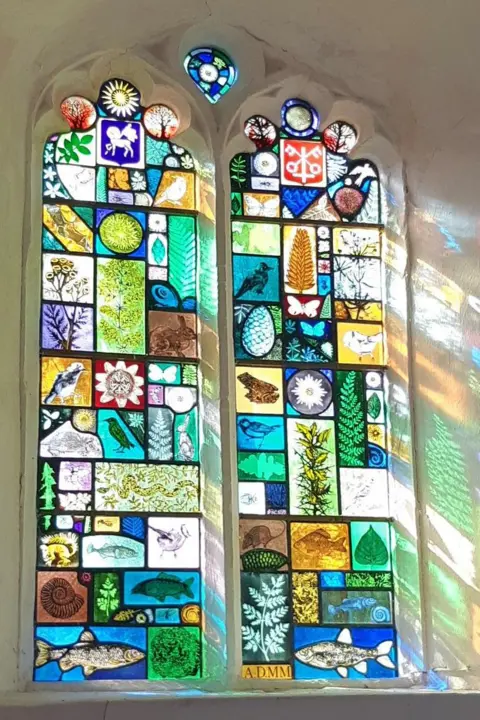
It is increasingly apparent that more bats are actively seeking sanctuary within the ancient walls of churches across England. "They’re losing lots of habitat – lots of woodland," Spencer explains, pointing to the relentless pressures of modern development and changing land use. Beyond the destruction of natural habitats, human alterations to the built environment also play a significant role. "We’re also knocking down old buildings, making our homes warmer, more airtight – there are less places for them to go." Modern construction methods and renovation trends often seal off the very nooks and crannies that bats traditionally used for roosting and hibernation, inadvertently pushing them towards the enduring, permeable structures of churches. As bats lose their traditional habitats to urban sprawl, intensive agriculture, and modern housing, these historic ecclesiastical buildings are becoming indispensable refuges for these ecologically vital animals.
In response to this growing trend, church users are progressively having to adapt and learn to live harmoniously alongside these creatures of the night. This shift in perspective is leading to innovative engagement. Remarkably, some parishes are even beginning to view the presence of bats not as an "unholy mess" or an unwelcome trick, but rather as a unique and fascinating treat. "We regularly see churches having bat nights and bat events," Spencer enthusiastically reports. These events, often featuring guided walks, educational talks, and opportunities to observe bats using specialist equipment, serve as "a really, really good way of reaching people, particularly in the local community, who might not come into a church for a service or prayer, but they’ll come in to watch the bats, because people find them really, really fascinating." This burgeoning interest in bat conservation is fostering a renewed connection between local communities and their historic churches, transforming potential conflicts into opportunities for education, ecological awareness, and shared wonder. The venerable churches of England, once solely places of human worship, are now evolving into crucial dual sanctuaries, offering solace and spiritual sustenance to people, while simultaneously providing an essential, protected haven for some of the UK’s most vulnerable and captivating wildlife.



 Roy Suryo

 Nakalama John
 atisusanti
 Ramos Leo
