
 Nana Banana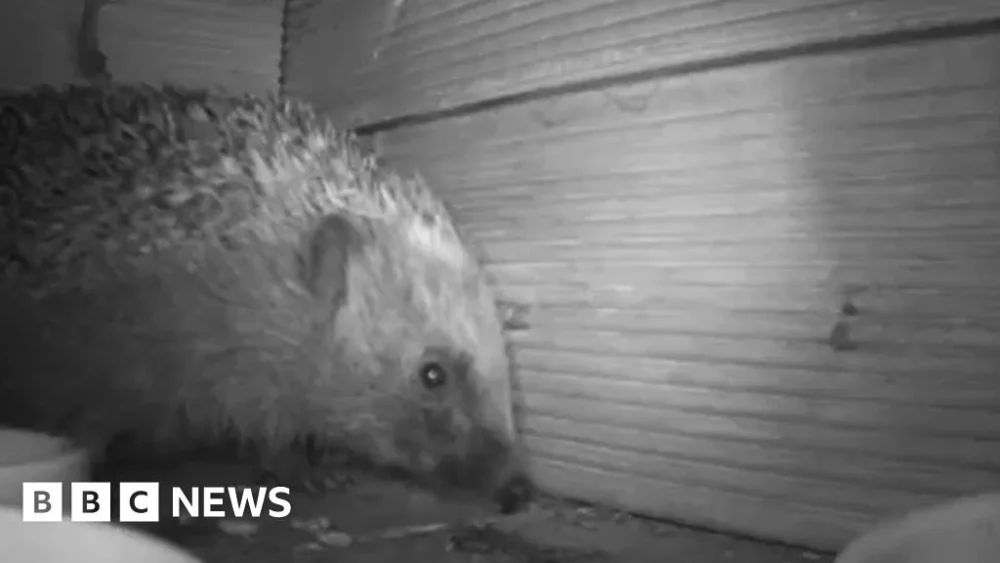
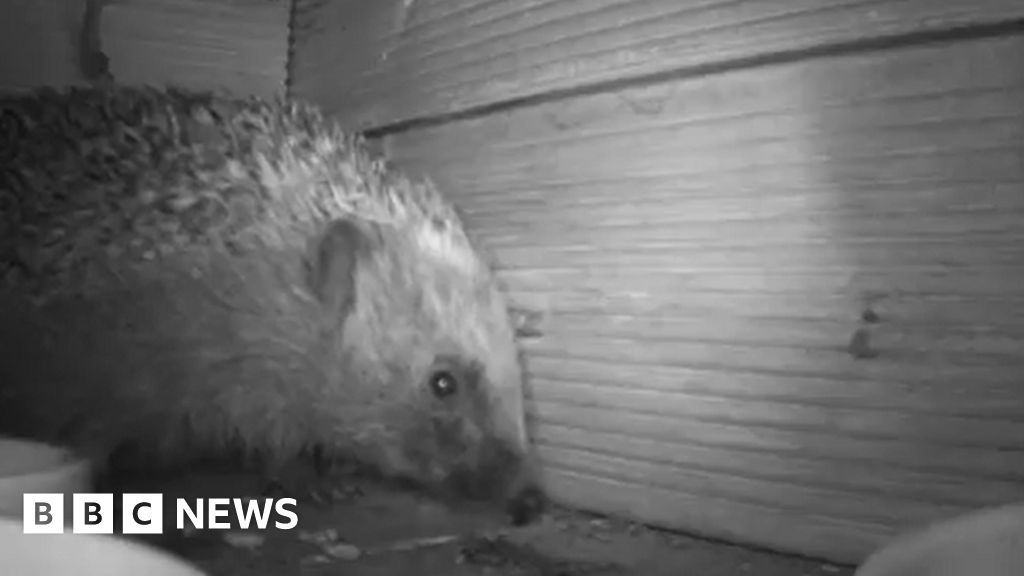
A groundbreaking study, utilizing an army of hidden cameras, has cast an illuminating glow on the secret nocturnal lives of British hedgehogs, revealing just how crucial our gardens have become for these charismatic, spiny mammals. The research, one of the most extensive of its kind, paints a vivid picture of their after-dark activities and underscores the urgent need for human intervention to secure their future.
Scientists from Nottingham Trent University and Chester Zoo embarked on this ambitious project, enlisting householders across Chester to become citizen scientists. Over 400 gardens were equipped with motion-activated wildlife cameras, quietly capturing thousands of hours of footage as hedgehogs went about their business under the cloak of night. The results were both fascinating and concerning: hedgehogs were detected in more than half of the gardens surveyed, with the allure of readily available food proving to be a powerful magnet. As hedgehog populations continue their alarming decline across the UK, these intimate glimpses into their night-time habits offer vital clues to their survival strategies and how we can best support them.
The plight of the hedgehog in the UK is stark. Listed as vulnerable to extinction, their numbers have plummeted dramatically. Estimates suggest a decline of up to 30% in urban areas and a staggering 50% in rural landscapes since the year 2000. This crisis is multifaceted, driven primarily by widespread habitat loss, the intensification of farming practices which reduce natural food sources and safe nesting sites, and the ever-present danger of roads. These factors collectively fragment their territories and make it harder for them to forage, breed, and hibernate safely.
Kelly Hitchcock, lead researcher from Nottingham Trent University and Chester Zoo, highlighted the shifting dynamics of hedgehog habitats. "The pattern that we’ve seen is that hedgehog populations in rural areas have declined — gardens seem like a really important habitat — so it’s really important that people are aware of that," she explained. This means that what might once have been considered a supplemental habitat is now becoming a vital refuge, acting as a network of urban and suburban sanctuaries.
The research team meticulously analysed the thousands of images and video clips gathered from the 415 participating gardens. They correlated hedgehog detection rates with a wide array of garden characteristics, from the presence of ponds and lawns to the types of plants and the accessibility of the garden itself. This comprehensive analysis allowed them to pinpoint which features most significantly influenced whether a hedgehog would stop by for a visit. While the provision of food emerged as the single biggest draw, the experts stressed that simply leaving out a bowl of sustenance is not enough. Creating genuinely wildlife-friendly features is equally, if not more, essential. Hedgehogs desperately need safe spaces to hibernate during the colder months, secure spots to build their nests and raise their young, and diverse environments where they can forage for their natural diet of insects and invertebrates.
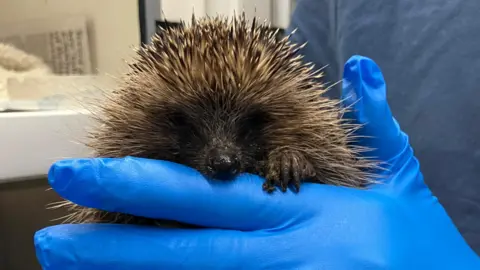
These vital wildlife-friendly features include leaving patches of wildflowers and native plants to attract insects, creating undisturbed areas of leaf litter, and building log piles which offer both shelter and a rich hunting ground for invertebrates. Crucially, connecting gardens is paramount: small holes, often referred to as ‘hedgehog highways,’ in fences or walls allow these nocturnal wanderers to roam freely over large areas in search of food and mates, mimicking the expansive territories they would naturally traverse. Without these connections, individual gardens, no matter how rich in resources, can become isolated islands.
However, the act of feeding hedgehogs comes with its own set of responsibilities and considerations. Kelly Hitchcock cautioned against indiscriminate feeding. "If you are providing wildlife food, be mindful of what that food is and whether it’s suitable for hedgehogs," she advised. "It’s not that we want to say everybody feed hedgehogs because we don’t know the long-term impacts." These potential long-term impacts could include creating dependency, leading to an unbalanced diet if the wrong foods are offered (never milk or bread, which can cause severe digestive issues), and even increasing the risk of disease transmission if multiple hedgehogs congregate at a single, unhygienic feeding station. The recommended appropriate foods include specialist hedgehog food, meaty cat biscuits, or wet cat/dog food (not fish-based).
The increasing need for such studies is mirrored by the rising demand for assistance from hedgehog rescue charities across the UK. As natural habitats disappear and dangers mount, more injured, sick, or orphaned hedgehogs are found needing human help. Sarah Liney of the Hedgehog Helpline in South Wales, a charity dedicated to the care and rehabilitation of these animals, emphasized common warning signs. "Any hedgehog out in the day is a cause for concern – as are hedgehogs seen limping or injured," she stated. Hedgehogs are strictly nocturnal, so a daytime sighting almost always indicates distress. Her charity’s mission is clear: "If we can release a healthy hedgehog back into the wild, to be the hedgehog it is supposed to be, and it can produce or help to produce more litters then at least that is going to help with the hedgehog population to continue for years to come within our country." These "field hospitals" and rescue centres work tirelessly, often rehabilitating animals that have suffered injuries from garden tools like strimmers, netting, or road traffic accidents.
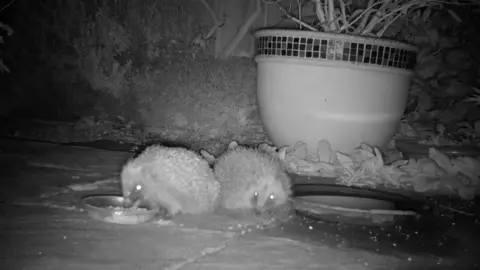
The hidden cameras also captured fascinating interactions, including hedgehogs sharing their nocturnal patrols with other garden residents, such as foxes. This highlights the complex ecosystem of our gardens and the need for a balanced approach to wildlife management.
Dr. Rebecca Thomas, a conservation biologist at Royal Holloway, University of London, who was not directly involved with this specific study, echoed the sentiment about the growing importance of domestic gardens. "The best thing people can do for hedgehogs in gardens is to create wild spaces for them – areas where they can over-winter, mate, live happily, and hopefully we can keep the populations going in these suburban environments," she asserted. She further elaborated on the feeding advice, reinforcing the need for appropriate food and stringent hygiene practices. "In the wild hedgehogs wouldn’t come together too much… and obviously hedgehogs don’t need anything else affecting their populations through the spread of disease." Shared food bowls, if not regularly cleaned, can become breeding grounds for bacteria and parasites, posing a significant threat to these already vulnerable creatures.
The comprehensive findings of this vital research have been published in the academic journal Urban Ecosystems, providing a scientific foundation for the growing understanding of hedgehog ecology in anthropogenically altered landscapes. Ultimately, the study serves as a powerful call to action for every gardener. Our backyards, once considered merely extensions of our homes, are now critical battlegrounds in the fight to save one of Britain’s most beloved native mammals. By understanding their secret night lives and making conscious choices to create hospitable, connected, and safe environments, we can ensure that these endearing creatures continue to snuffle and rustle through our gardens for generations to come.




 Roy Suryo

 Nakalama John
 atisusanti
 Ramos Leo
