
 Nana Banana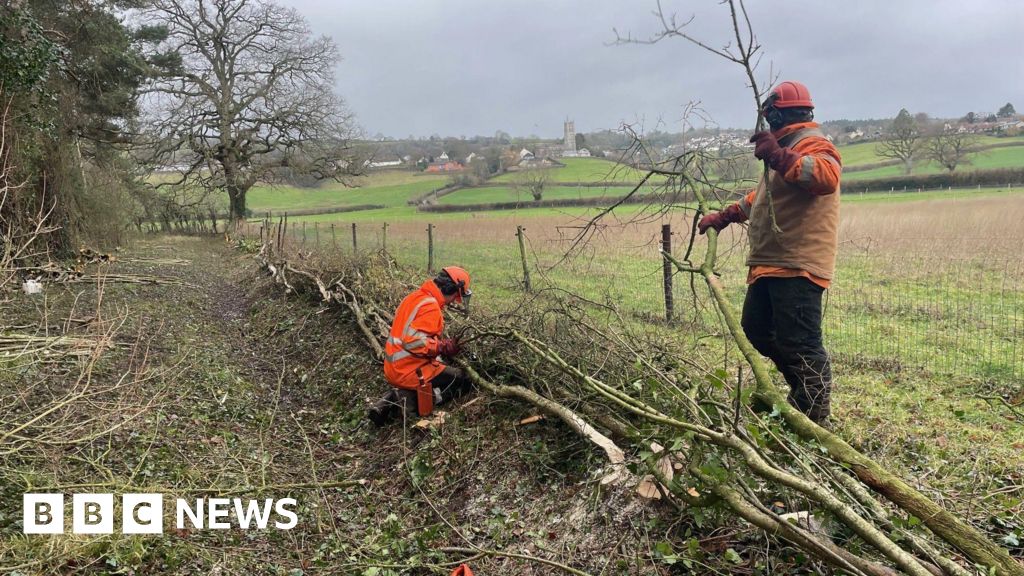
Blagdon Lake, a sprawling 440-acre reservoir nestled within the picturesque Mendip Hills of Somerset, is more than just a critical source of drinking water and a renowned trout fishery. It holds the prestigious designation of a Site of Special Scientific Interest (SSSI), recognising its existing ecological importance. This status underscores the inherent value of its natural environment, making any efforts to boost its biodiversity even more crucial. The current work specifically focuses on restoring the structural integrity and ecological richness of the lake’s extensive hedgerow network, which had, over time, become less effective as wildlife habitats due to modern agricultural practices and less intensive management.
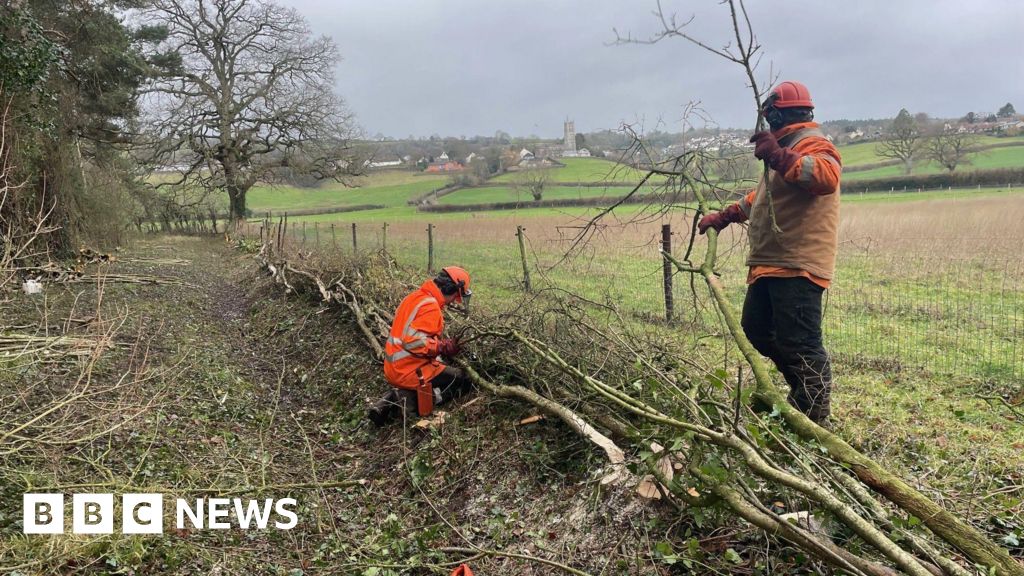
The core of this revitalisation effort lies in the ancient craft of hedge laying. This method involves partially cutting the base stems of a hedge – a technique known as pleaching – and then bending them horizontally along the line of the hedge. These ‘pleachers’ remain attached to the root system, allowing them to continue growing, but in their new, horizontal orientation, they send up dense new vertical shoots. The laid stems are typically secured with stakes and binders, creating a robust, interwoven structure. This process effectively rejuvenates an aging or gappy hedge, transforming it into a thick, impenetrable barrier at the base, while promoting vigorous new growth along its entire length.
Mike Reed, a specialist in hedge laying and the leader of the team implementing this traditional craft at Blagdon, eloquently articulated the profound importance of their work. "So many of our farmland and countryside birds are endangered, as are hedgehogs, so creating these spaces for them to live and nest in is more important than ever," Reed stated, highlighting the urgent conservation need. His words underscore the critical role that well-managed hedgerows play in providing vital refuge and breeding grounds for species facing increasing pressures from habitat loss and fragmentation. Reed also expressed immense pride in the continuity of the craft: "Hedge laying is a historical craft with a strong local tradition and I’m proud to be passing it onto the next generation through this work." This sentiment points to the dual benefit of the project – not only is it restoring habitats, but it’s also preserving and transmitting valuable heritage skills that are intrinsically linked to sustainable land management.
The ecological advantages of hedge laying are manifold and far-reaching. By allowing more light to penetrate the base of the hedgerows, the technique stimulates dense, vertical regrowth. This renewed density creates an exceptionally effective cover for a diverse array of animals and birds, particularly during the harsh winter months when natural shelter is scarce. Unlike modern, often mechanised, hedge trimming techniques that can leave hedges sparse and uniform, traditional hedge laying fosters a multi-layered, intricate structure. This complexity provides superior protection against predators and harsh weather, offering safe nesting sites for birds, secure hibernation spots for hedgehogs, and vital corridors for movement for small mammals and insects.
The contrast with conventional hedge maintenance methods is stark. Heavy machinery, while efficient for agricultural purposes, often results in ‘leggy’ or gappy hedges that lack the crucial dense undergrowth necessary for wildlife. These sparse environments offer little in the way of shelter, food, or nesting opportunities, making them unfavourable living conditions for local animals such as various bird species, hedgehogs, and a multitude of insects. The Blagdon Lake project, by contrast, is specifically designed to reverse this trend, creating vibrant, biodiverse ecosystems within the hedgerow matrix.
The scale of the undertaking at Blagdon Lake is substantial, with approximately 1,800 meters of hedge already laid. This represents a significant investment in time, skill, and resources, reflecting Bristol Water’s deep commitment to environmental stewardship. However, the project is also being conducted with utmost sensitivity to the natural rhythms of the local wildlife. Crucially, the work will be temporarily halted during the critical nesting months. This pause is a deliberate and essential measure to ensure that no birds or other species are disturbed during their breeding cycles, allowing new life to flourish unimpeded. This demonstrates a holistic approach to conservation, prioritising the welfare of the existing wildlife even as new habitats are being created.
The entire project is slated to span two years, during which time a remarkable ecological transformation is anticipated. As the laid hedges regenerate and mature, it is expected that a rich "host of species" will return to the area, attracted by the improved shelter, food sources, and breeding opportunities. This return will not only include the explicitly mentioned birds and hedgehogs but also a wider spectrum of invertebrates, small mammals, and native plant species that thrive in diverse hedgerow environments. These revitalised hedgerows will act as vital ecological corridors, connecting fragmented habitats and allowing species to move more freely across the landscape.
Simon Hughes, treescape officer at Bristol Water, expressed the collective enthusiasm for the initiative. "It won’t be long before we will start to see a complete transformation in the hedgerows and it’s exciting for all of us at Bristol Water to be a part of creating this significant and important change," he remarked. His statement encapsulates the forward-looking vision of the project, which aims to create lasting positive impacts on the environment. For Bristol Water, this initiative is more than just a conservation effort; it’s an integral part of their broader commitment to managing their landholdings sustainably and contributing positively to regional biodiversity.
The restoration of these hedgerows is particularly significant given the widespread decline of hedgerows across the UK during the 20th century. Historically, hedgerows were the backbone of the British countryside, providing essential boundaries, shelter for livestock, and a rich tapestry of habitats. Their loss through agricultural intensification has had a profound impact on wildlife populations. By reviving this ancient practice, Bristol Water is not only addressing local ecological needs but also contributing to a national effort to restore these invaluable linear habitats. The dense structure provided by laid hedges offers ideal cover for ground-nesting birds like grey partridge and yellowhammer, and a safe haven for small mammals such as voles and shrews, which in turn support predators like barn owls and stoats. The varied flora within and beneath the hedges also supports a diverse insect population, including crucial pollinators like bees and butterflies, which are essential for ecosystem health.
Furthermore, the Blagdon Lake project exemplifies how traditional ecological knowledge can be effectively combined with modern conservation goals. In an era dominated by technological solutions, the rediscovery and application of heritage skills like hedge laying offer a sustainable and deeply effective alternative for land management. This approach not only delivers tangible environmental benefits but also reinforces a connection to the landscape’s cultural history. The investment in skilled labour, such as that provided by Mike Reed and his team, also supports local craftsmanship and provides opportunities for skills transfer, ensuring these valuable traditions endure.
In the long term, the rejuvenated hedgerows around Blagdon Lake will form a robust and resilient ecosystem, enhancing the SSSI status and providing an even richer environment for both wildlife and visitors. As the hedges thicken and mature, they will become more effective carbon sinks, contributing to climate change mitigation efforts. They will also improve water quality by reducing run-off and soil erosion into the lake, demonstrating a holistic approach to catchment management. This project stands as a testament to the power of combining ancient wisdom with contemporary environmental responsibility, promising a vibrant future for the biodiversity of Blagdon Lake.




 George Anjay
 Ramos Leo
 atisusanti
 Nakalama John