
 Roy Suryo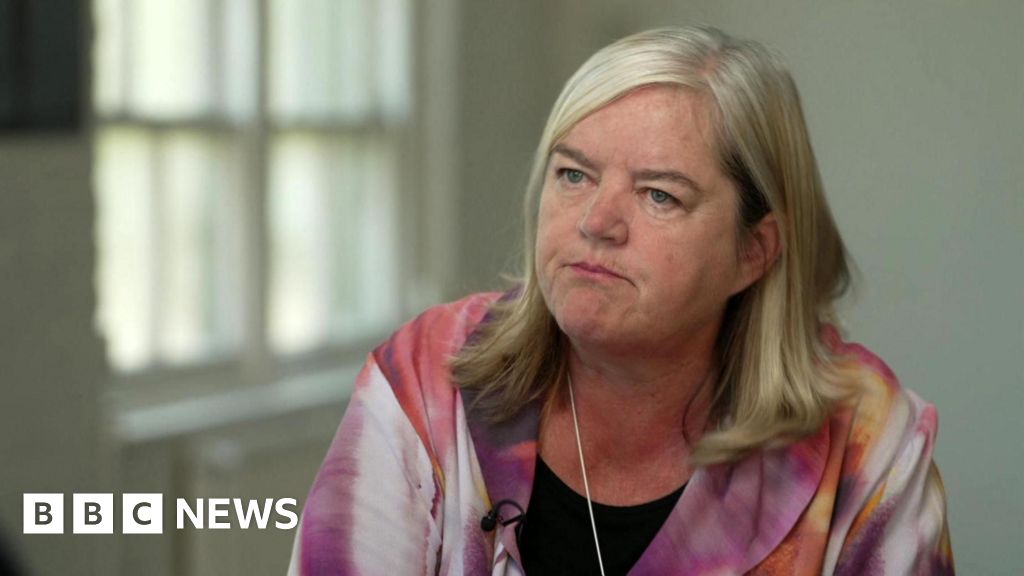
The intricate and often bewildering labyrinth that individuals must navigate to secure social care for elderly and disabled loved ones in England has been described as "horrendous" by Baroness Louise Casey of Blackstock, the formidable chair of the independent commission tasked with its reform. In a candid assessment delivered to BBC Radio 4’s Today programme, Baroness Casey painted a stark picture of a system she contends is "cobbled together," fundamentally reliant on the exploitation of its dedicated workforce, and desperately in need of "fundamental change" requiring cross-party political consensus.
Baroness Casey’s initial findings, presented since her commission began its crucial work last year, reveal a social care system teetering on the brink of fragility, fractured by protracted and anxiety-inducing disputes over funding responsibilities. For those desperately seeking assistance, the process is not merely bureaucratic; it is an emotionally draining ordeal. "People spend hours and hours and weeks and weeks trying to sort out care for their family," she stated, her voice resonating with the weight of countless testimonies. This arduous journey involves grappling with a bewildering array of documentation, multiple, often overlapping, assessments, and complex financial evaluations. The sheer volume of administrative hurdles can be overwhelming, leaving individuals feeling lost and unsupported at a time of immense vulnerability.
The urgency for a comprehensive stock-take of the existing adult social care infrastructure is paramount, Baroness Casey argues, to ensure it can adequately meet the evolving needs of the current population. With increasing life expectancies and a rise in complex health conditions, the existing framework is demonstrably ill-equipped. Her forthcoming address to health and care professionals at a conference in Windsor is poised to deliver a blunt and unflinching critique of the systemic failures that demand immediate attention.
A central tenet of Baroness Casey’s critique is the nation’s over-reliance on the underpayment of care workers, a practice that she asserts is unsustainable and ethically indefensible. This chronic underfunding not only impacts the livelihoods of essential workers but also creates a significant power imbalance between the National Health Service (NHS) and council-run social care services. The consequence, she observes, is a system that ultimately prioritises institutional operationalisation over the genuine needs of the individuals it is designed to serve. "We’ve still got people earning less than the minimum wage. They are often not paid for travel, they are often not paid for holidays," she revealed, highlighting the precarious financial reality faced by many in this vital sector.
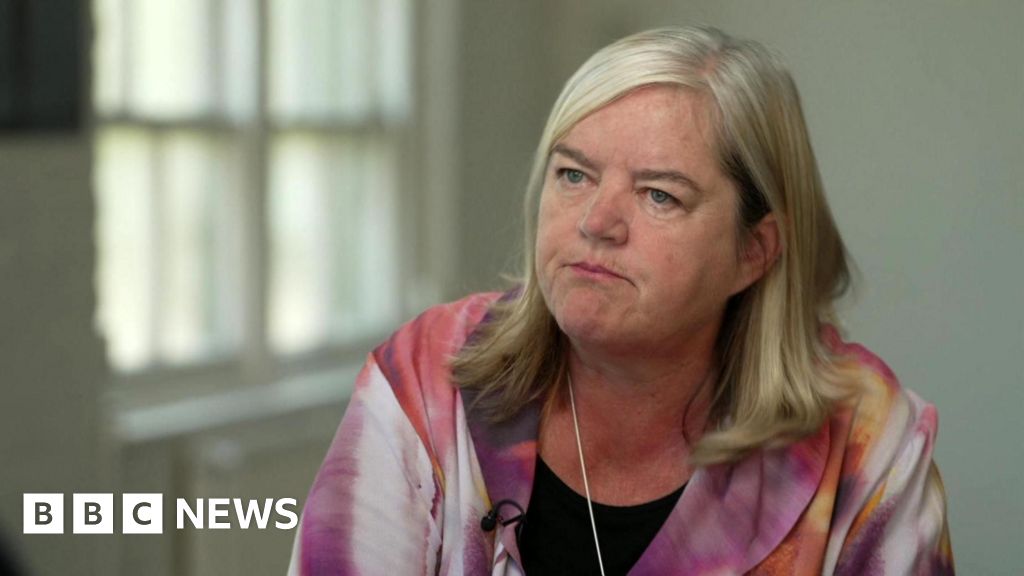
The disparity in remuneration and working conditions between NHS staff and social care professionals is a recurring theme in Baroness Casey’s analysis. She cited examples of two NHS hospital trusts that attempted to establish their own in-house care services, only to find the financial model unworkable. The stark reality was that any individual employed within the NHS benefited from superior pay, terms, and conditions compared to their counterparts in social care, making it impossible to recruit and retain staff at a competitive rate. In her forthcoming speech, she is expected to articulate this critical point forcefully: "this divide between what is care and what is health does not exist to the public. It is our divide." This artificial segregation, she contends, is a self-imposed barrier that hinders a holistic approach to patient well-being.
Baroness Casey pointed to the profound difficulties faced by individuals with debilitating conditions such as dementia and Motor Neurone Disease (MND) as poignant illustrations of a system in disarray. Families grappling with the complexities of dementia are often left to "bear the brunt," receiving scant information or practical support. Similarly, individuals diagnosed with MND, a condition with a tragically short life expectancy, are still subjected to a torturous gauntlet of multiple assessments and means tests, a process that adds unnecessary stress and indignity to an already challenging period.
The independent commission, established in the summer of last year, has been diligently examining the multifaceted problems plaguing the care system in England. Its mandate is to produce a comprehensive report this year, outlining a roadmap for the creation of a National Care Service. However, a critical second phase, focused on the long-term funding mechanisms for social care, is not slated for completion until 2028, a timeline that Baroness Casey implicitly suggests may be too protracted given the current crisis.
A cornerstone of Baroness Casey’s remit is to initiate "a national conversation" about the kind of social care service that the public truly desires. This ambitious undertaking aims to foster a broad consensus among politicians and the wider populace regarding the most effective path forward. She underscored the necessity of substantial political backing to effect meaningful and lasting change, issuing a cautionary note to all political factions: "I would warn any party to be a little careful about throwing stones, until we actually know what we are doing." This admonition suggests that political posturing without a clear understanding of the systemic challenges will be counterproductive.
In response to Baroness Casey’s stark pronouncements, Liberal Democrat Leader Ed Davey acknowledged the accuracy of her assessment, stating that she was "right to highlight how broken the care system is." However, he questioned the government’s perceived inaction and delay in addressing these critical issues. "Starmer and Streeting have wasted a whole year with nothing to show for it," he remarked, implying a lack of progress under the current administration. He concluded with a plea for urgency, warning, "We can’t let 2026 go the same way, while elderly people suffer and hospitals are filled with people waiting for care." This sentiment encapsulates the broader societal concern for the welfare of vulnerable individuals and the strain on healthcare resources.




 George Anjay
 Nana Banana
 Ramos Leo
 atisusanti
 Nakalama John