 Nakalama John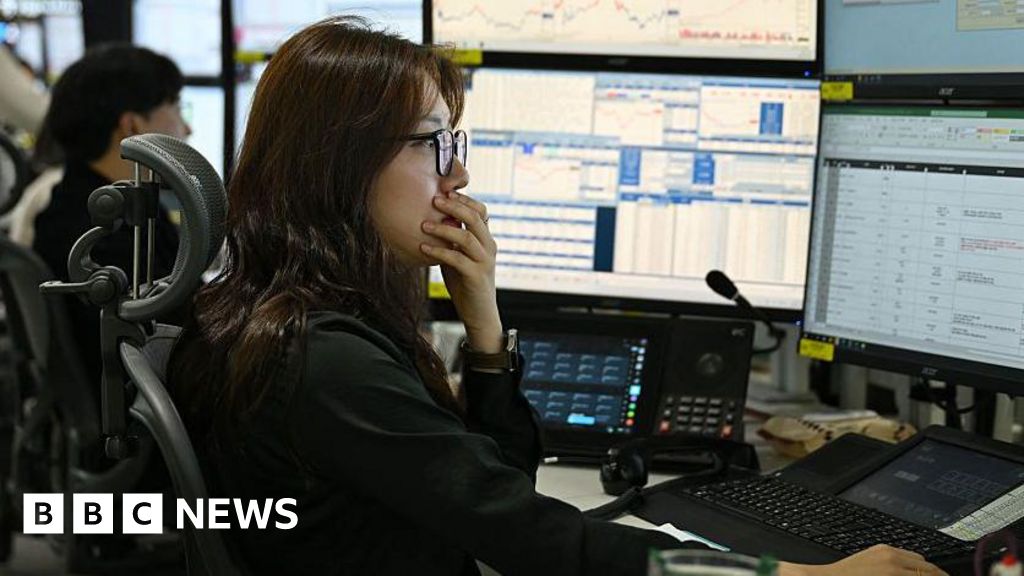
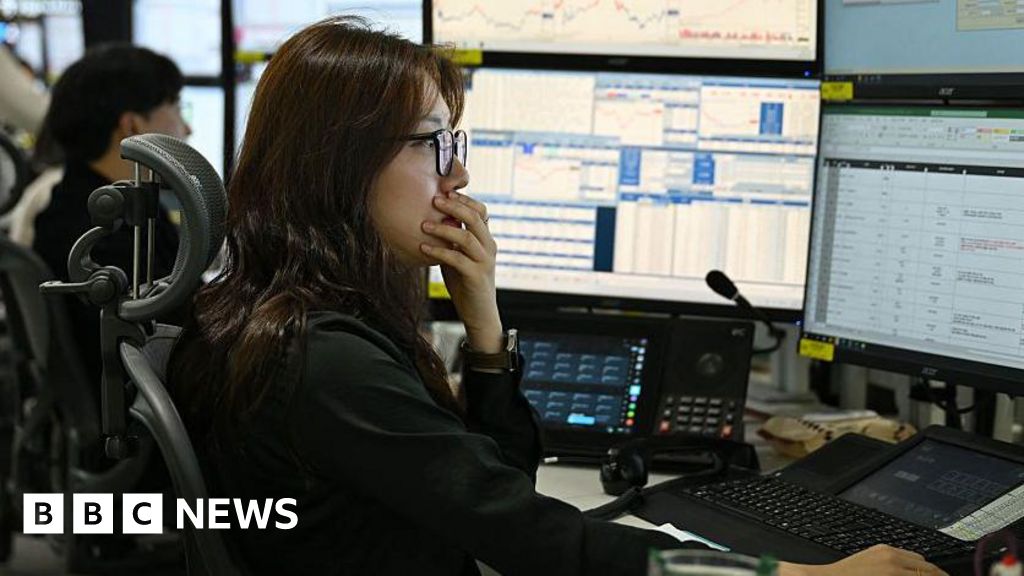
South Korea’s benchmark Kospi index was notably impacted, registering a more than 8% decline in morning trading, extending a slide that saw it slump over 7% the previous day. This sharp contraction reflected deep investor anxiety over regional stability and the potential for severe disruption to global trade and supply chains, upon which South Korea’s advanced manufacturing and technology sectors heavily rely. The steep fall represented one of the Kospi’s most significant intraday drops in recent years, wiping billions off market capitalization and impacting major conglomerates like Samsung, LG, and Hyundai, all of whom are highly exposed to international markets and energy prices.
Japan’s Nikkei 225 index also suffered considerable losses, falling by 3.6%. The Japanese market, similar to South Korea’s, is highly sensitive to geopolitical shocks, especially those that threaten energy supplies and export routes. Investors in Tokyo reacted cautiously to the unfolding events, opting for safer assets and pulling funds from equities amid fears of a prolonged conflict. Meanwhile, Australia’s ASX 200 index shed 1.8%, reflecting a broader regional sentiment of apprehension. The declines across these key Asian markets underscore a collective concern about the economic fallout from a conflict in a region critical for global energy and trade.
In contrast to the equity markets, crude oil prices continued their upward trajectory. Brent crude, the international benchmark, was approximately 0.7% higher in Asian morning trade, building on substantial gains seen over the preceding two days. This surge in oil prices is a direct consequence of heightened supply risk premiums, as traders price in the potential for significant disruptions to Middle Eastern oil production and, crucially, to the region’s vital transit routes. The conflict in the Middle East has rattled global energy markets, particularly after vessels near the critical Strait of Hormuz shipping lane came under direct threat and attack.
The Strait of Hormuz, a narrow yet indispensable chokepoint between the Persian Gulf and the open ocean, is of paramount strategic importance to global energy security. Approximately one-fifth of the world’s total oil consumption, translating to about 21 million barrels per day, typically flows through this waterway. This includes a substantial portion of crude oil and liquefied natural gas (LNG) from major producers such as Saudi Arabia, the United Arab Emirates (UAE), Kuwait, Iraq, and Qatar. Iran’s explicit threats to "set fire" to ships transiting the strait have led to an unprecedented situation where commercial traffic has almost entirely halted, creating a severe bottleneck in global energy supply. This cessation of normal shipping activities has not only disrupted the movement of energy cargoes but has also caused marine insurance premiums for the region to skyrocket, making transit prohibitively expensive or risky for many international carriers. The immediate consequence has been a near halt in traffic, forcing numerous tankers to idle or reroute via far longer and costlier alternative routes, further exacerbating supply chain pressures and adding to the cost of delivery.
The White House, in response to these escalating threats, has indicated its commitment to ensuring the free flow of energy. A US official stated that Washington would provide risk insurance "at a very reasonable price" to all shipping firms operating in the region. This measure is aimed at bolstering confidence and facilitating the continued movement of energy resources to global markets, thereby mitigating some of the supply shock fears. However, the effectiveness of such a program in the face of direct military threats remains to be seen, and the perceived risk continues to be priced into oil futures.
Stock markets globally have fallen sharply since the US and Israel launched attacks on Iran over the weekend, marking a significant escalation in the long-simmering tensions. Tehran’s retaliation has included a series of strikes across the Middle East, causing major disruption to both shipping and commercial flights, further compounding the sense of instability. The geographic reach of these retaliatory actions, coupled with the potential for miscalculation, has heightened fears of a broader regional conflict.
The conflict has weighed heavily on the shares of export-reliant countries like South Korea and Japan, which are especially vulnerable to geopolitical shocks that put international shipments at risk. These nations depend heavily on imported energy resources, making them particularly susceptible to soaring oil prices. Higher energy costs directly impact their manufacturing sectors, increasing production expenses and potentially leading to higher consumer prices, which could dampen domestic demand and economic growth. Furthermore, any disruption to global trade routes or increased shipping costs directly affects their ability to export goods, which is a cornerstone of their economic models. Industries such as automotive, electronics, and heavy machinery, which form the backbone of these economies, are bracing for potential supply chain disruptions and reduced demand in key markets.
Beyond oil, the broader implications for global markets are significant. The flight to safety has seen investors reallocate capital from equities into traditional safe-haven assets such as gold and government bonds, particularly US Treasuries. This shift drives down bond yields but reflects deep-seated market unease. Currency markets have also reacted, with the Japanese Yen, typically seen as a safe haven, showing some appreciation against riskier assets, while other Asian currencies have generally weakened against the US dollar.
Economists and market strategists are warning that a sustained conflict in the Middle East could trigger a severe global economic downturn, potentially pushing inflation higher across major economies and forcing central banks to reassess their monetary policy stances. The combination of higher energy prices, disrupted supply chains, and reduced consumer and business confidence presents a formidable challenge to the global economic recovery that was already grappling with post-pandemic challenges. The immediate focus remains on diplomatic efforts to de-escalate tensions, but for now, financial markets in Asia and beyond are bracing for continued volatility as the situation in the Middle East remains highly fluid and unpredictable.




 atisusanti
 George Anjay
 Nana Banana