
 George Anjay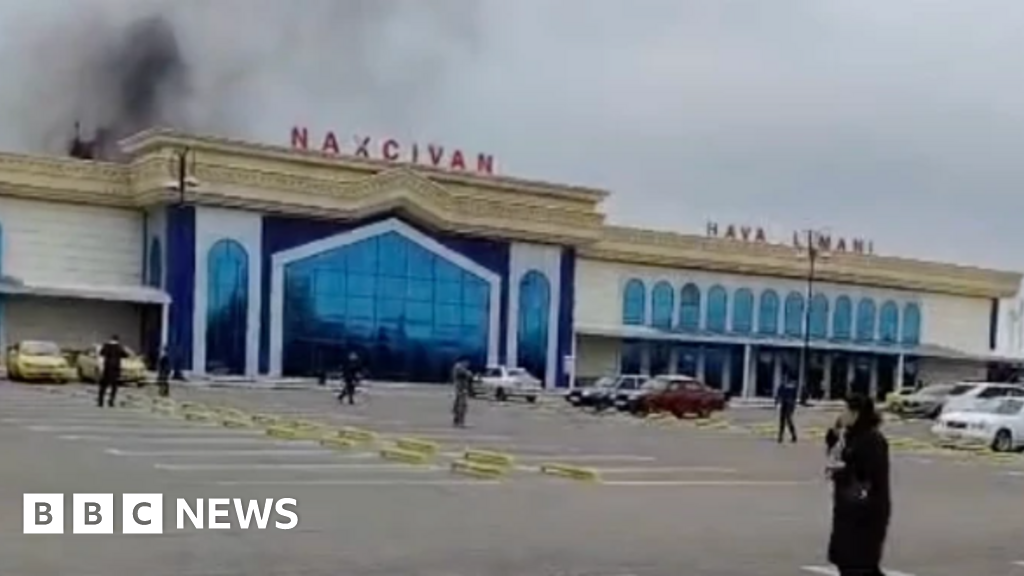
Azerbaijan has initiated the withdrawal of its diplomatic staff from Iran following accusations that Tehran launched four drones across the border, striking the Azerbaijani exclave of Nakhchivan. The audacious strikes, which hit an airport terminal, caused a drone to explode near a school injuring civilians, and another drone was intercepted, signify a dangerous escalation of the wider regional conflict, now directly impacting Iran’s northern frontier. In a blistering condemnation of what he termed an "act of terror," Azerbaijan’s President Ilham Aliyev demanded an immediate explanation and apology from the Iranian government. His anger culminated on Friday with the announcement of the embassy staff’s relocation for their safety, coupled with a declaration that Azerbaijan’s military has been placed on maximum combat readiness.
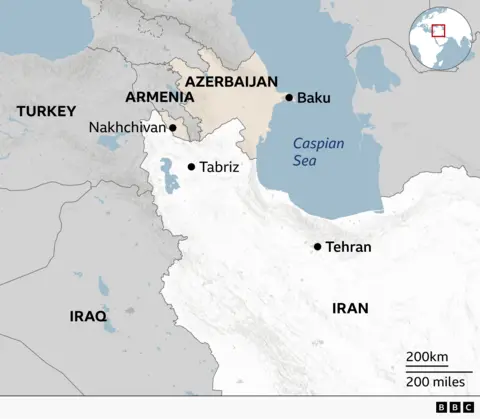
President Aliyev’s rhetoric took a significant turn on Thursday when he directly addressed Iran’s ethnic Azerbaijani population, a subject historically sensitive for Tehran. Iran has vehemently denied any involvement in the Thursday attacks, suggesting the possibility of an Israeli "false flag" operation. This incident positions Azerbaijan, a strategically vital Caspian nation bordering Russia, Iran, Armenia, and Georgia, precariously closer to the epicenter of a burgeoning geopolitical confrontation. The Nakhchivan exclave, isolated and sharing borders with Iran, Turkey, and Armenia, is particularly vulnerable during periods of regional instability.
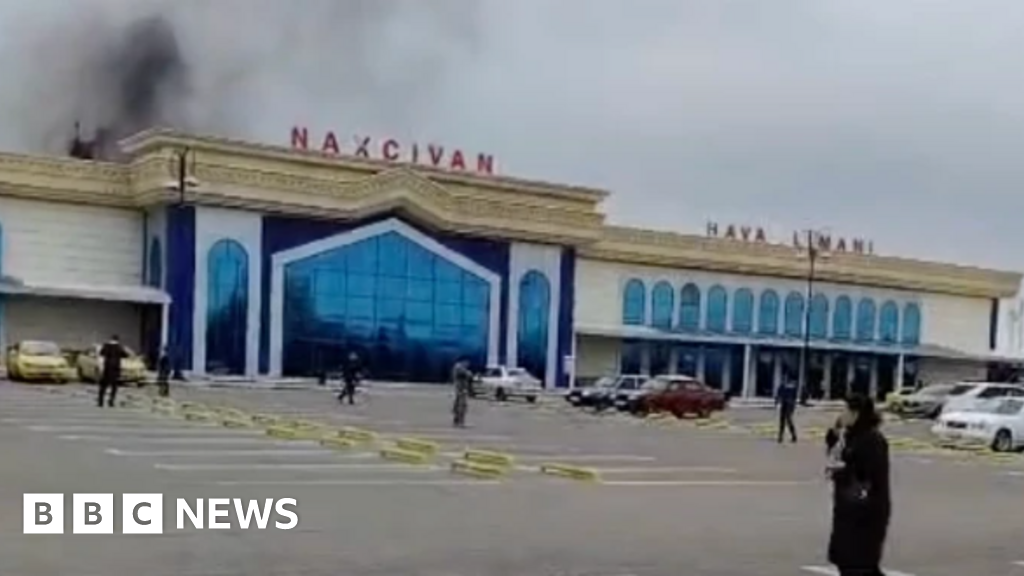
The drone attacks have provoked President Aliyev’s most forceful public denunciation of Tehran since he assumed office. He characterized the Iranian forces responsible for the strike as "ugly, cowardly and disgusting," an unusually direct and personal insult from one head of state to another. However, his condemnation transcended mere verbal condemnation. He declared that "independent Azerbaijan is a place of hope for Azerbaijanis living in Iran," a statement that breaks with Baku’s long-held policy of caution regarding this highly sensitive issue.
Iran is home to an estimated 20 to 25 million ethnic Azeris, comprising its largest minority group and predominantly concentrated in the northwestern regions bordering Azerbaijan. The Islamic Republic has consistently treated the identity and political affiliations of this demographic with extreme caution, viewing any suggestion of Azerbaijani solidarity extending beyond its borders as a potential threat to its internal cohesion. President Aliyev’s recent pronouncements, delivered with such explicit aspirational undertones towards Iranian Azeris, appear to be a deliberate and calculated strategic maneuver.
Amidst Iran’s internal pressures, including ongoing unrest and political uncertainty, compounded by the wider regional conflict, Aliyev’s message carries a clear warning to Tehran. It suggests that any attempt to exert military or diplomatic pressure on Azerbaijan could provoke a retaliatory response from Baku, potentially including actions that destabilize Iran internally. Ethnic Azerbaijanis within Iran have long voiced grievances concerning the denial of fundamental cultural rights, including the provision of education in their native language. Numerous Azerbaijani activists, journalists, and language campaigners are currently incarcerated in Iran, facing charges such as "propaganda against the regime" and "conspiracy against national security."
The ethnic Azerbaijani community in Iran holds significant political weight. This week, the exiled crown prince, Reza Pahlavi, has been actively encouraging Iranian Azerbaijanis, alongside other ethnic minorities, to revolt against the current regime. Notably, Iran’s current President, Masoud Pezeshkian, is himself of Azerbaijani ethnicity. The late Ayatollah Ali Khamenei, who was killed in the initial stages of US-Israeli strikes on Saturday, was also reported to have Azerbaijani heritage. Historically, several Iranian shahs throughout the centuries were of Azerbaijani origin. One of Iran’s most influential historical figures, Shah Ismail Khatai, even adopted Azerbaijani as the primary language of his court in the 16th century, a historical testament to the profound influence of Azerbaijani culture on the Iranian state. Despite these historical ties and shared Shia Muslim identity, political relations between Iran and Azerbaijan have deteriorated significantly. Tensions escalated following Azerbaijan’s decisive military victories in the 2020 and 2023 Karabakh wars, facilitated by military hardware from Turkey and Israel.
Iran views Baku’s robust defense partnership with Israel with profound suspicion, considering it a substantial threat. Iranian officials and media outlets have repeatedly accused Azerbaijan of aiding Israeli intelligence operations along Iran’s northern border, allegations that Azerbaijan consistently denies. The strategic alliance between Azerbaijan and Israel extends beyond defense, with Israel heavily reliant on Azerbaijani oil. This close political and intelligence cooperation forms the core of Tehran’s suspicions. Conversely, Azerbaijan has long harbored resentment towards Iran’s political and military backing of neighboring Armenia, perceiving it as direct interference in a conflict vital to Azerbaijan’s own security interests. This deep-seated history of mistrust serves as a critical backdrop to the recent escalation, shaping Baku’s interpretation of Tehran’s every action.
Iran has consistently opposed the establishment of a direct land connection between Azerbaijan and its Nakhchivan exclave. Tehran has repeatedly voiced objections to any potential Armenian agreement that would grant Azerbaijan a land corridor to the territory. Azerbaijan plays a crucial role as a major energy supplier, with its crude oil reaching global markets via an extensive 1,768 km (1,100-mile) pipeline. This pipeline transports oil from Baku, on the Caspian Sea, through Georgia, and ultimately to Turkey’s Mediterranean coast. The pipeline carries over a million barrels of oil daily, providing Europe with a vital supply route that circumvents both Russian and Iranian territory. It also supplies a significant portion of Israel’s oil needs. Consequently, this pipeline is perceived as a substantial potential target for Iran, and any threat of disruption could trigger widespread security concerns and volatility in energy markets.
Both Iran and Azerbaijan have publicly stated their desire to avoid further escalation. President Aliyev has reiterated that Azerbaijan "will not participate" in military operations against Iran, and Tehran continues to deny responsibility for the drone attack. However, Aliyev’s decision to openly frame Azerbaijan as a "place of hope" for Iranian Azeris introduces a novel and potentially unpredictable dimension to the unfolding crisis. President Aliyev has emphasized his prior gestures of goodwill towards Iran, including being the sole foreign leader to visit an Iranian embassy to offer condolences following Khamenei’s death and assisting in the evacuation of Iranian embassy staff from Lebanon. He now views Iran’s alleged drone strikes on Azerbaijani territory as a profound betrayal of these past courtesies.




 atisusanti
 Nana Banana

 Ramos Leo