Nakalama John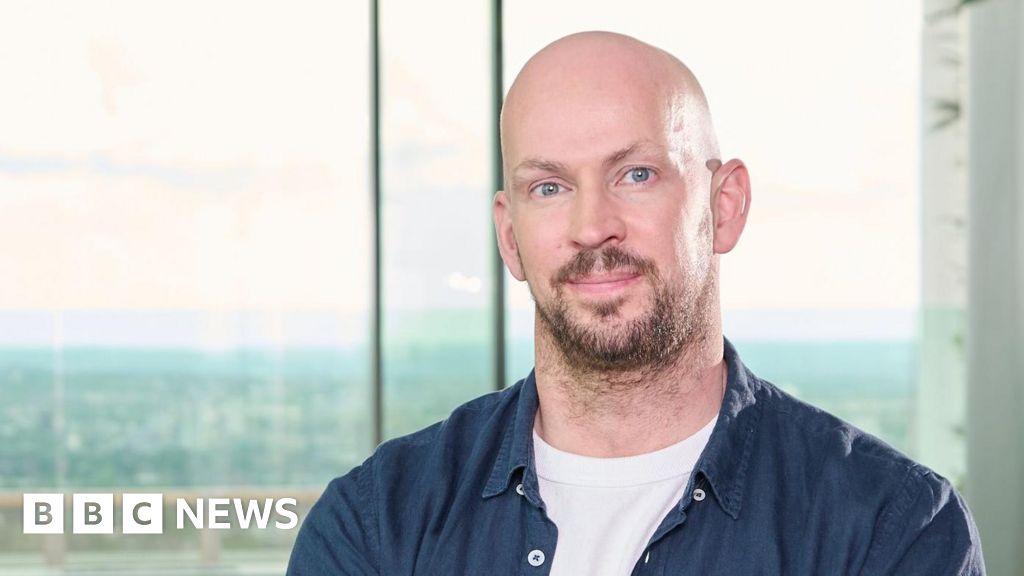
Brewdog co-founder James Watt has issued a public apology to both former staff and the legions of small-scale investors who backed his company, acknowledging that he made "many mistakes" following a week that saw hundreds of jobs disappear in the wake of the brewer and pub chain’s partial sale. The dramatic restructuring, which saw parts of the business acquired by US firm Tilray for £33 million, has left a bitter taste for many, particularly the 484 individuals who were made redundant as 38 pubs permanently closed their doors.
The fallout from the sale has drawn fierce criticism from unions, former employees, and the thousands of "Equity for Punks" investors who poured their savings into the company’s ambitious crowdfunding scheme. In a statement posted online, Watt described the week as "incredibly hard" and expressed profound heartbreak for those who lost their livelihoods and for the retail investors whose stakes were wiped out. His mea culpa comes at a pivotal moment for a brand that once epitomised a rebellious spirit in the craft beer world but has increasingly faced scrutiny over its internal culture and business practices.
James Watt, who was just 24 when he co-founded Brewdog with Martin Dickie in Aberdeenshire in 2007, helped build the company from a small operation into a global powerhouse. Their vision was to disrupt the traditional beer industry, creating a "punk" alternative to mainstream lagers. This ethos resonated with consumers and investors alike, propelling Brewdog to remarkable success. At its zenith, the company boasted four breweries and approximately 100 pubs scattered across the globe, with a valuation that reportedly exceeded $1 billion. However, the rapid expansion and aggressive marketing that defined Brewdog’s rise also sowed the seeds of future challenges. Watt himself stepped down as CEO in 2024, followed by Dickie’s departure just over a year later, signalling a shift in leadership that preceded the current financial woes.
In his extensive LinkedIn statement, Watt reflected candidly on the journey, admitting that in the early days, he had "no idea what I was really doing." He lamented that, with the benefit of hindsight, he would have steered the company differently. "At times we expanded too fast and diversified too broadly," he wrote, pointing to strategic missteps that stretched the company’s resources and focus. He also acknowledged a failure to adequately control spending and admitted that his responses to some of the numerous crises faced by the business were not always "authentic and true to who I am." This latter point subtly alludes to past controversies that have plagued Brewdog, particularly allegations of a toxic workplace culture.
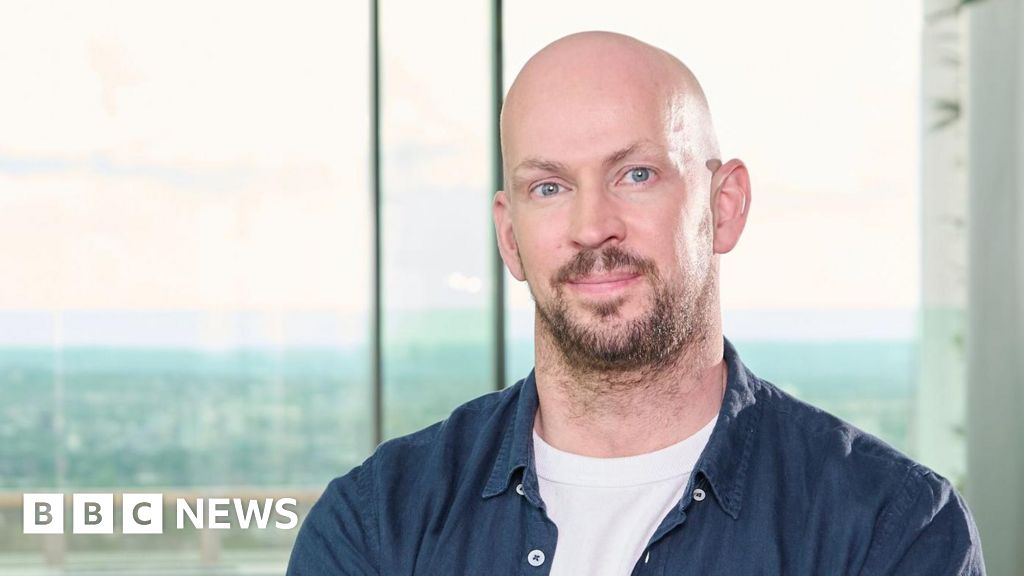
"During my 17 years in charge there were highs, lows, successes, failures, huge gambles and many mistakes along the way," Watt confessed. "Ultimately, the mistakes hurt far more than the successes console." He expressed a deep regret that he was unable to save every job or every "Equity Punk" investment, stating, "Ultimately, I couldn’t. That will stay with me." His apology to investors was heartfelt: "I am sorry that I was not able to repay the faith you bestowed in me with the outcome you all deserved." Despite the painful outcome, Watt affirmed his enduring affection for the brand he helped create. "I still love the business. It will always feel like an intrinsic part of me. I will always be cheering it on from the sidelines, even if the next chapter is now going to be written by others."
The human cost of Brewdog’s restructuring has been particularly stark. Unions have voiced profound anger at the manner in which hundreds of staff were informed of their redundancy. Bryan Simpson, a hospitality organiser with the Unite union, lambasted the process, describing it as "the worst mass redundancy I have dealt with, including during the pandemic." Employees were reportedly given a mere 25 minutes’ notice before being summoned to a 15-minute conference call with chief executive James Taylor, during which they were informed of their job losses and, cruelly, denied the opportunity to ask questions. This cold, impersonal approach has exacerbated the pain and frustration felt by those suddenly out of work.
Adding to the outcry is the devastating impact on Brewdog’s "Equity for Punks" investors. This innovative crowdfunding scheme, launched in 2009, was a cornerstone of Brewdog’s early success, raising an impressive £75 million before it ceased accepting new investors in 2021. It allowed ordinary people to buy small stakes in the company, fostering a sense of community and ownership that aligned with the brand’s anti-establishment image. However, the firm appointed as Brewdog’s administrators, AlixPartners, confirmed on Monday that these equity holders would see "no return" from the sale.
The reason for this devastating outcome lies in the company’s financial structure. In 2017, US equity firm TSG Consumer Partners acquired a 22% stake in Brewdog. As part of this deal, TSG was granted "preference shares," a mechanism that ensures institutional investors are repaid their investment before any other shareholders in the event of a sale or liquidation. This meant that when Tilray acquired the assets, TSG’s investment was prioritised, leaving nothing for the "Equity for Punks" shareholders. The new owners, in an email to these disillusioned investors, attempted to salvage goodwill by asking them to continue as "ambassadors for the brand"—a request that many found tone-deaf and insulting given their financial losses.
One such investor, Richard Fisher, articulated the widespread frustration, stating he had "written off" his £12,000 stake. "There’s nothing for us. It’s being sold at a knock-down price," he lamented, though he admitted he "never thought there was going to be anything left over for the Equity for Punks anyway," suggesting a long-held cynicism about the structure.
News correspondent David Henderson highlighted the revealing nature of Watt’s LinkedIn statement. The choice of LinkedIn, an "uber-corporate social network," for a "mea culpa" from the man behind Brewdog’s "punk brand and rebel outsider image," struck a discordant note. Watt’s repeated use of "heartbroken" for job losses, investment wipe-out, and the company’s collapse was met with surprisingly candid responses, deviating from the typically cautious tone of the platform.
One self-confessed Equity Punk directly challenged Watt: "Over time your culture soured and not for the better. You became hubristic." Another pointedly asked, "Are you heartbroken you gave the institutional investor preference over the equity punks, James? An arrangement that ensured we received no return on our investments." These comments underscore the deep sense of betrayal felt by those who believed in Brewdog’s original vision and invested their hard-earned money. While Watt claims "the mistakes hurt far more than the successes console," Henderson shrewdly observes that, given Watt’s own substantial financial gains from his stake in Brewdog, "it is likely that others will be hurting more acutely in the aftermath of this week’s events."
The collapse and partial sale of Brewdog mark a significant moment in the craft beer industry and serve as a cautionary tale for crowdfunding ventures. The company’s rapid ascent was fuelled by an innovative business model and a disruptive brand identity, but its later years were marred by internal controversies, including allegations of a "culture of fear" and "toxic workplace" detailed in an open letter from former employees in 2021. These issues, coupled with strategic missteps and aggressive marketing stunts that sometimes backfired, contributed to the erosion of trust and ultimately, the financial instability that led to this week’s events. The legacy of James Watt and Brewdog, once a story of audacious success, is now irrevocably intertwined with the pain of lost jobs and the disillusionment of loyal investors. The next chapter, written by others, will undoubtedly face the challenge of rebuilding a brand tarnished by its recent past.

 atisusanti
 George Anjay
 Nana Banana