Ramos Leo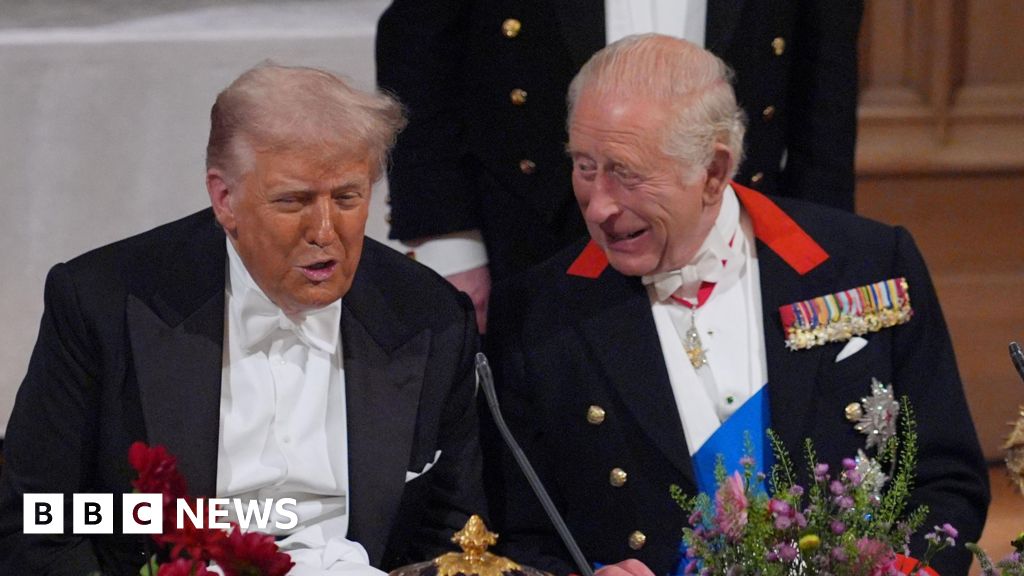
However, Lib Dem leader Sir Ed Davey has unequivocally stated that the visit should not proceed. He argues that such a high-profile engagement would inadvertently provide a "huge diplomatic coup" to President Trump, particularly at a time when US-Israeli forces are conducting strikes against Iran, a situation that has ignited widespread international concern and strained diplomatic relations across the Atlantic.
The volatile situation in the Middle East has profoundly impacted transatlantic ties, creating a palpable rift between Washington and London. The controversy began when Sir Keir Starmer, in a move that drew considerable attention, initially hesitated to grant authorisation for American planes to utilise British bases for launching bombing raids against Iranian targets. This initial reluctance underscored a divergence in strategy, with the UK appearing to tread more cautiously than its American ally.
The United Kingdom has since shifted its position, authorising the US to use its bases to launch what have been described as "defensive" strikes targeting missile sites within Iran. These sites are believed to be instrumental in launching retaliatory attacks against allied interests and regional stability. Furthermore, in a show of solidarity and defensive readiness, RAF planes have been deployed to intercept Iranian drones and missiles, demonstrating a more active, albeit still cautious, engagement in the conflict.
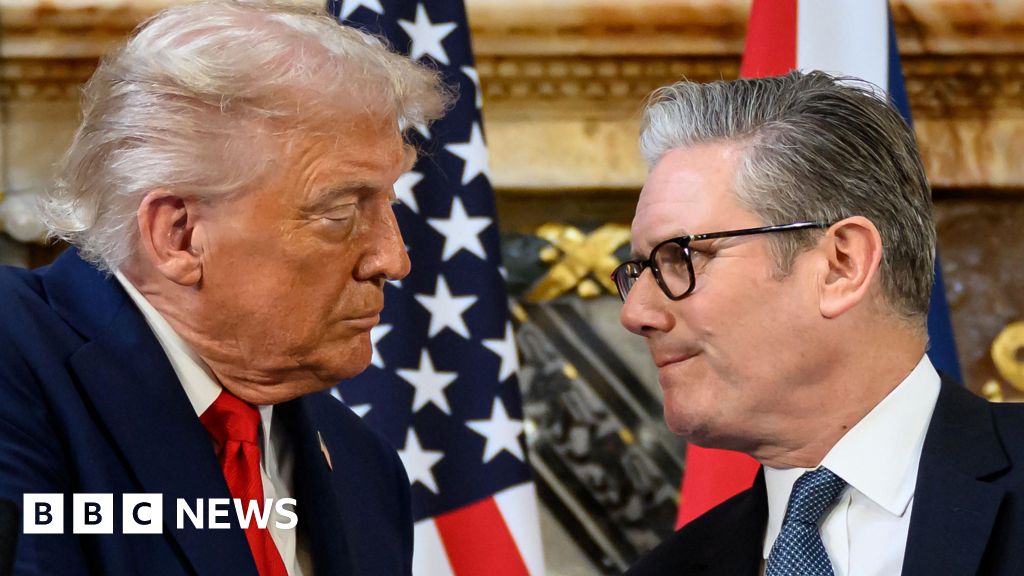
Despite this increased cooperation, the UK’s initial reluctance and subsequent calibrated response have not escaped the critical eye of President Trump. Last week, in a scathing assessment, Trump branded Sir Keir "no Winston Churchill," a deeply loaded comparison that invoked the legacy of Britain’s wartime leader and implicitly questioned Starmer’s leadership and resolve in a time of international crisis. The criticism escalated further on Saturday when Trump accused Starmer of wanting to "join wars after we’ve already won," suggesting a perceived tardiness and lack of proactive engagement from the British government.
The escalating war of words prompted a much-anticipated phone call between the two leaders on Sunday, their first direct communication since the diplomatic row intensified. Downing Street, however, has remained tight-lipped about the specifics of the conversation, releasing only limited details, which suggests the need to manage expectations and potentially de-escalate tensions behind the scenes.
On Monday, Sir Keir Starmer sought to downplay the severity of the rift, insisting that American and British security officials were "working together every single day, as they always have." His comments aimed to reassure both domestic and international audiences that despite public disagreements, the fundamental security partnership between the two nations remained robust. He continued to robustly defend his government’s response to the conflict, maintaining that his actions were consistently in accordance with "our principles" and, crucially, "Britain’s best interests." This stance suggests a careful balancing act between allied commitments and an independent foreign policy approach.
Although an official confirmation remains pending, the planned state visit by King Charles III and Queen Camilla to the US is widely anticipated to take place towards the end of next month. This timing is particularly significant, as it precedes the monumental 250th anniversary of the US Declaration of Independence in July, an event that would naturally attract heightened diplomatic attention and opportunities for bilateral celebration.
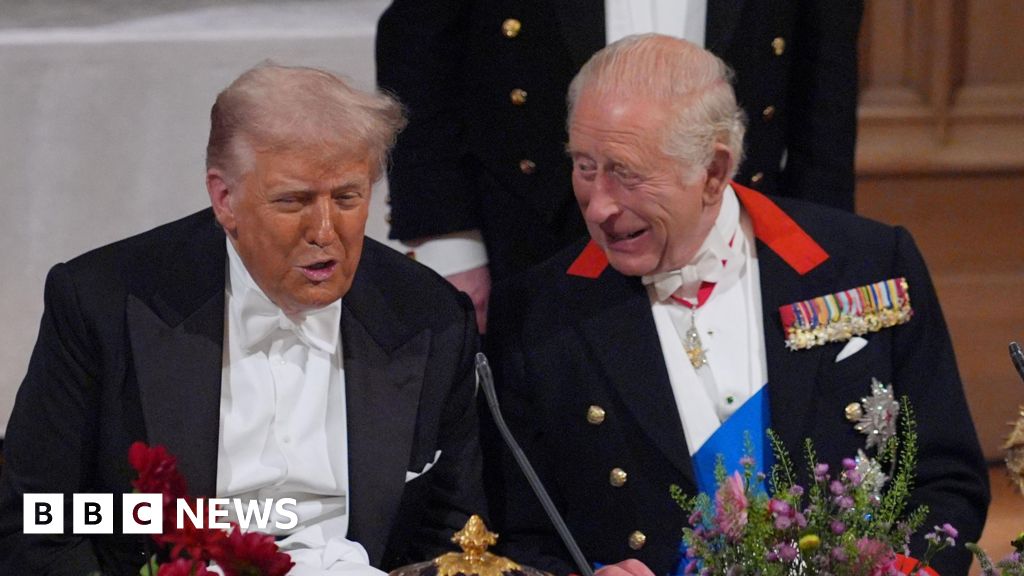
However, Sir Ed Davey’s statement reiterates his firm belief that the Prime Minister must formally advise the monarch that the trip "should be called off." He argued passionately, "At a time when Trump has launched an illegal war that is devastating the Middle East and pushing up energy bills for British families, it’s clear this visit should not go ahead." Davey’s strong words not only critique Trump’s foreign policy but also link it directly to domestic economic impacts, attempting to resonate with a broader British public grappling with cost-of-living concerns. He further asserted, "A state visit from our King would be seen as yet another huge diplomatic coup for President Trump, so it should not be given to someone who repeatedly insults and damages our country." This highlights the Liberal Democrats’ concern that the symbolic power of the monarchy could be leveraged by Trump for political gain, especially during a contentious period.
Responding to the Liberal Democrats’ contentious call, cabinet minister Steve Reed dismissed the suggestion, stating, "I don’t think it is for Ed Davey to decide what the King should or should not be doing." This reflects the constitutional convention that the monarch acts on the advice of their government, making the decision ultimately a matter for the Prime Minister.
Adding another voice to the debate, Conservative leader Kemi Badenoch, speaking to reporters on Monday, emphasised that the trip should not be allowed to devolve into a "political event." Her statement aimed to uphold the perceived apolitical nature of the monarchy and state visits. However, Badenoch seized the opportunity to renew her party’s calls for Sir Keir Starmer to authorise the RAF to join "defensive" strikes on Iranian missile sites, accusing the Prime Minister of being "too slow to protect our bases." This indicates a clear difference in strategic approach between the Labour government and the Conservative opposition regarding the extent of military intervention.
Within the Labour party itself, there are whispers of growing unease. One Labour MP, speaking anonymously, suggested that the Prime Minister would "almost certainly" come under increased pressure from his own backbenchers to cancel the King’s visit as the proposed date draws nearer. This internal pressure is reportedly particularly acute among MPs facing strong challenges from the Green Party in England’s local elections in May. These MPs are said to be especially concerned about the public perception that the government might not be taking a sufficiently tough stance on President Trump, fearing that an association with a controversial US leader could alienate environmentally conscious and anti-war voters.
The mechanics of state visits underscore their deep diplomatic significance. Invitations for the monarch to undertake "outbound" state visits abroad are channelled through the Foreign, Commonwealth & Development Office (FCDO), which plays a pivotal role in their meticulous arrangement. Conversely, foreign leaders are formally invited to visit the UK by the monarch, but only after a recommendation has been put forward by the Prime Minister. These events are far more than mere ceremonial occasions; they are carefully orchestrated diplomatic undertakings. The government committee tasked with arranging these visits includes high-ranking officials not only from Downing Street, the Cabinet Office, and the FCDO but also from the trade department, highlighting the significant economic and trade implications often woven into the fabric of state visits.
Since ascending to the throne in 2022, King Charles III has embarked on several notable state visits, including journeys to Germany, France, Kenya, and Italy, in addition to attending a meeting of Commonwealth heads of government in Australia and Samoa. Last autumn, he also made a historic state visit to the Vatican, where he became the first head of the Church of England to publicly pray with the Pope, a moment of profound interfaith significance. These travels demonstrate the King’s active role in international diplomacy and his commitment to strengthening Britain’s global relationships.
The current discussions around the King’s potential US visit also recall Donald Trump’s own second state visit to the UK last September. This visit notably broke with established diplomatic practice, as second-term US presidents are traditionally invited for more informal engagements, such as tea or lunch with the monarch at Windsor Castle, rather than a full state visit. This precedent sets a context for the current debate, adding another layer of complexity to the considerations surrounding the King’s proposed trip and its potential political ramifications.

 George Anjay
 atisusanti
 Nakalama John