Nakalama John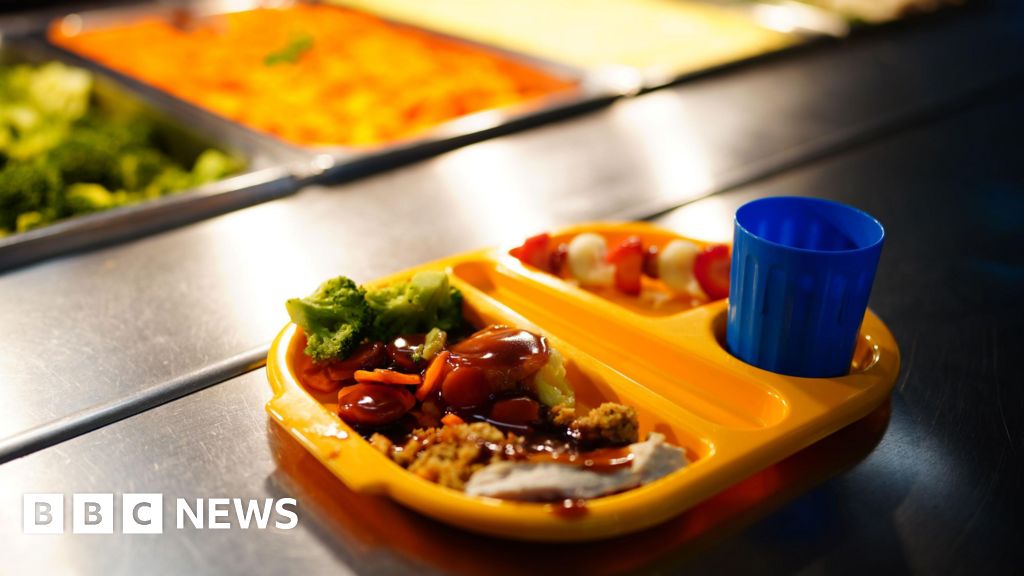
The proposed extension of financial support is detailed in papers presented to the authority’s Children and Young People Committee meeting, where a formal approval is anticipated. These documents outline a "transitional arrangement" for the vouchers, designed to bridge the gap until significant national policy changes regarding free school meals come into effect. Specifically, the council’s current plans are intended to coincide with the September 2026 revisions to free school meal eligibility criteria, signaling a long-term strategic outlook.
Under the new scheme, the value of the vouchers will be £10 per child per week during school holidays. This represents a reduction from the previous allocation of £15 per child per week, a change that reflects the challenging financial landscape faced by local authorities while still aiming to provide crucial support. The decision to reduce the per-child value highlights the difficult balancing act councils must perform between meeting community needs and managing finite resources, especially in the absence of dedicated central government funding for such schemes.
To fund this extensive "transitional arrangement," Cambridgeshire County Council has earmarked a substantial £2.3 million. This significant investment demonstrates the council’s recognition of the severe consequences that "holiday hunger" can have on children and families. The funding is intended to cover the costs of these vouchers for school holidays stretching up to September 2026, when the government’s expanded free school meal eligibility is set to be fully implemented. For the immediate upcoming Easter holidays, a portion of the voucher costs will be drawn from a newly established Crisis and Resilience Fund, further illustrating the council’s multi-faceted approach to supporting its residents in times of need.
The context for this council intervention is crucial. The Household Support Grant (HSG), introduced by the government to help local authorities assist vulnerable households with the rising cost of living, concluded recently. This grant had been instrumental in allowing councils to provide targeted financial aid for food, energy bills, and other essential items. Its termination has created a significant void, leaving many low-income families facing increased financial strain, particularly during school holidays when children do not receive free school meals at school. Local authorities like Cambridgeshire are now stepping in, often drawing on their own reserves or repurposing existing budgets, to prevent a worsening of hardship for their communities.
The government’s long-term plan, which the council’s scheme aims to bridge towards, involves a significant expansion of Free School Meal eligibility. From September (understood to be September 2026 in the context of the council’s transitional plan), all households receiving Universal Credit, even those currently above the £7,400 income cap, will be eligible for free school meals. This policy change is anticipated to bring a substantial number of additional children into the free school meal system, providing a more permanent safety net. However, the period leading up to this 2026 implementation remains a critical time for families, hence the necessity of the council’s transitional voucher scheme.
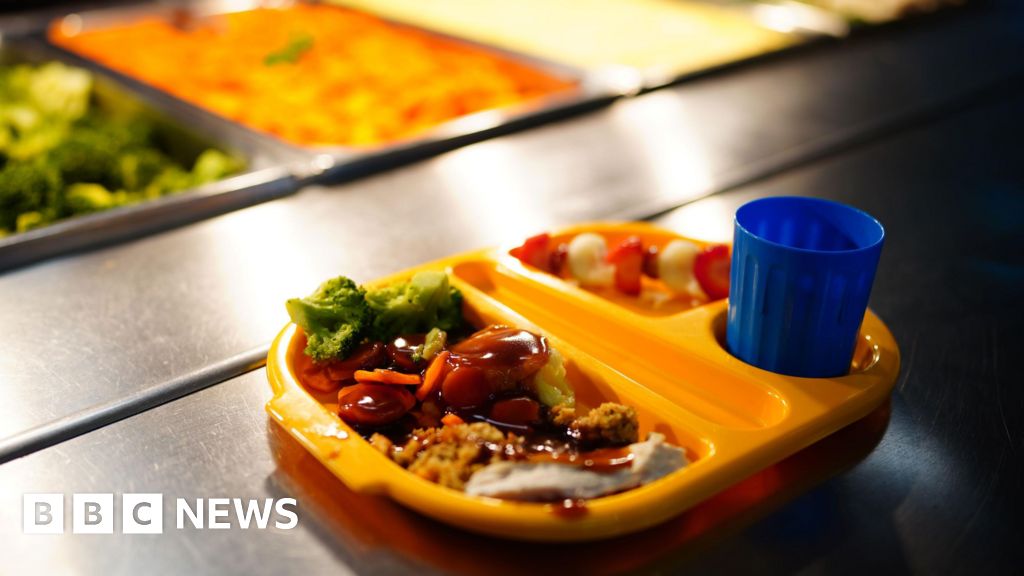
The implications of the reduced voucher value, from £15 to £10, are a point of concern for some. While any support is undoubtedly welcome, the decrease means families will have £5 less per child per week to spend on groceries during holiday periods. For families already struggling to make ends meet, this reduction could translate into difficult choices about what food to buy, potentially impacting the nutritional quality and quantity of meals available to children. Local food banks and charities in Cambridgeshire have consistently highlighted the heightened demand for their services during school holidays, a phenomenon often referred to as "holiday hunger." These vouchers, even at the reduced rate, are a vital tool in combating this issue, ensuring children have access to nutritious food when school meals are unavailable.
Beyond the immediate provision of vouchers, the council’s papers indicate a broader strategy. While there are currently no explicit plans for these specific vouchers to extend beyond the September 2026 horizon, the council affirms its commitment to developing "other projects to ensure families and households across Cambridgeshire can still access support in moments of need or crisis." This suggests a shift towards more sustainable and integrated support mechanisms, potentially involving collaborations with community organizations, advice services, and local charities. These initiatives could include holiday activity and food programmes (HAF), community pantries, or enhanced financial advice and welfare support services, aiming to address the root causes of poverty and food insecurity rather than just the symptoms.
The creation of the Crisis and Resilience Fund further underscores the council’s adaptive approach. This fund allows the authority to respond flexibly to immediate and emerging needs, providing a financial buffer for unexpected challenges or shortfalls in other areas of support. Its deployment for the Easter holiday vouchers demonstrates its practical application in providing timely assistance.
Local government bodies across the UK are increasingly finding themselves on the front lines of social welfare, often having to fill gaps left by national policy shifts or funding reductions. Cambridgeshire County Council’s decision reflects a growing trend where local authorities are compelled to allocate significant portions of their own budgets to support vulnerable residents, thereby absorbing pressures that might otherwise fall entirely on families or the charitable sector. This situation raises broader questions about the long-term sustainability of such local interventions and the need for a comprehensive national strategy to combat child poverty and food insecurity.
For Emma Howgego, the Cambridgeshire political reporter covering this story, the council’s move signifies a crucial development in local welfare provision. The transparent discussion of funding allocations and future plans, as detailed in the committee papers, provides valuable insight into the complex challenges faced by local authorities in safeguarding their communities. The ongoing monitoring of such schemes, including their effectiveness and impact on families, will be essential in assessing their success and informing future policy decisions. The £2.3 million commitment, even with the reduction in individual voucher value, represents a substantial local investment in child welfare, signaling a clear priority for Cambridgeshire County Council in these challenging times.






 George Anjay
 Ramos Leo
 atisusanti