
 Nana Banana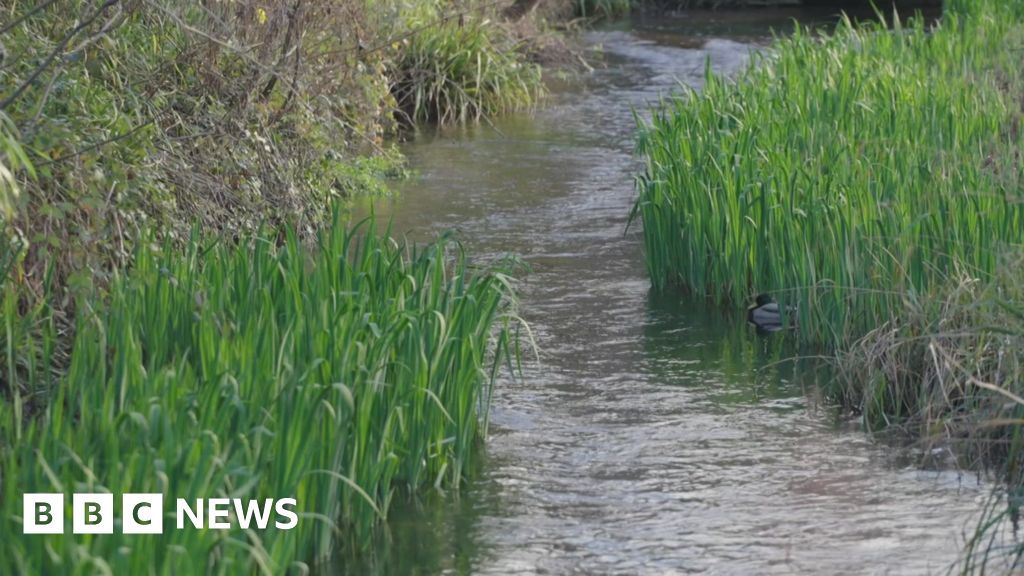
Chalk streams are ecological marvels, distinguished by their crystal-clear, mineral-rich waters and gravelly beds. They emerge from springs nestled within porous chalk bedrock, which acts as a natural, highly effective filter, removing sediment and impurities from groundwater. This geological filtration process results in exceptionally clean water with a stable temperature year-round, creating ideal conditions for a diverse array of specialised flora and fauna. Globally, there are only approximately 220 chalk streams in existence, an astounding 85% of which are located within England. This makes their conservation not just a national priority, but a matter of international ecological significance.
The unique conditions of chalk streams support a rich biodiversity that relies on their specific characteristics. Their stable temperatures and high oxygen levels provide perfect spawning grounds for fish like brown trout and, historically, Atlantic salmon. The gravel beds are home to a variety of invertebrates, including caddisflies and mayflies, which form the base of the food web. Water voles, otters, kingfishers, and grey wagtails are among the charismatic species that depend on these habitats for survival, making them vital ecological corridors in often urbanised landscapes. Distinctive aquatic plants, such as water crowfoot, thrive in the clear, flowing water, further contributing to the ecosystem’s health and beauty.
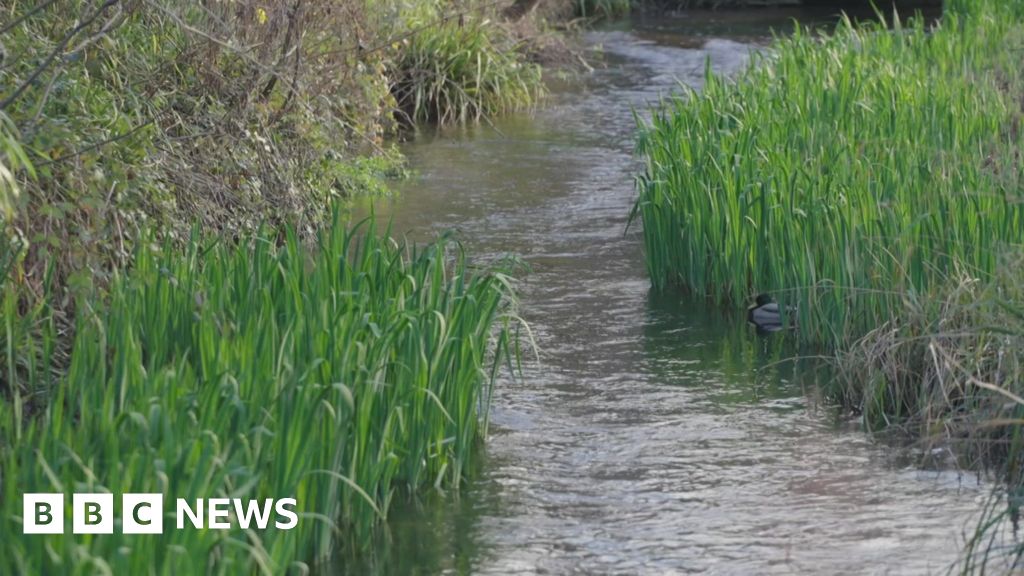
In Carshalton, the River Wandle stands as a prime example of a chalk stream winding through an urban environment. It originates from the chalky springs feeding Carshalton Ponds, a picturesque focal point in south-east London, particularly vibrant near Festival Walk. The Wandle’s journey through the borough and beyond is a testament to the resilience of nature, having historically endured significant industrialisation and pollution before undergoing extensive restoration efforts in recent decades. It now serves as a crucial green artery, providing essential habitat and recreational opportunities for local communities.
The London Wildlife Trust is at the forefront of the campaign, advocating for a fundamental shift in how these irreplaceable habitats are recognised and protected under national planning policy. Their core demand is for chalk streams to be explicitly included in the National Planning Policy Framework (NPPF) as "irreplaceable habitats." This legal designation would grant them the highest level of protection against damaging development and ensure that any planning decisions undergo rigorous scrutiny, prioritising their ecological integrity. The public consultation for the NPPF was open until a recent Tuesday, highlighting the immediate window for influencing policy change.
Richard Barnes, representing the London Wildlife Trust, articulated the profound importance of these waterways to BBC London: "They’re special on a world stage, 85% of chalk streams are in England." He emphasised not only their ecological value but also their profound benefit to people. "They’re wonderful habitats, they’re great for people as well, people really enjoy them, whether it’s areas like this where you can find kingfishers and grey wagtails and it’s just a unique resource that we really should steward properly." His words underscore the intrinsic value of these streams as natural heritage and their role in enhancing human well-being through recreation, connection to nature, and aesthetic beauty. The Trust argues that chalk streams deserve the same robust protection afforded to other nationally significant sites, drawing parallels with existing NPPF designations for "ancient woodland and limestone pavements." These comparisons highlight the perceived disparity in current protection levels, which campaigners argue is unacceptable given the global rarity and ecological sensitivity of chalk streams.
Chalk streams face a multitude of severe threats, putting their delicate ecosystems under immense pressure. Pollution is a pervasive issue, stemming from various sources. Agricultural runoff introduces harmful nitrates, phosphates, and pesticides, leading to eutrophication and algal blooms that deplete oxygen levels and harm aquatic life. Sewage discharge, both from inadequate treatment facilities and frequent storm overflows, introduces raw or partially treated wastewater, contaminating the water with bacteria, viruses, and excessive nutrients. Urban runoff from roads and paved areas carries pollutants such as heavy metals, oils, and microplastics directly into the streams.
Another critical threat is over-abstraction. The demand for public water supply and agricultural irrigation often leads to excessive abstraction of groundwater, which directly feeds chalk streams. This reduces the natural flow of water, particularly during dry periods, leaving stream beds dry and devastating the unique flora and fauna that depend on consistent flow and stable water levels. Unplanned or poorly regulated development also poses a significant risk, leading to habitat loss, increased impermeable surfaces that exacerbate runoff, and physical alteration of natural river courses, further disrupting these fragile environments. Furthermore, the long-term impacts of climate change, including altered rainfall patterns, more frequent droughts, and increased water temperatures, add another layer of complexity to their conservation.
In response to growing concerns, the Department for Environment, Food and Rural Affairs (Defra) has acknowledged the urgency of the situation, stating that the government is delivering a "once-in-a-generation" reform to the water industry. This ambitious reform aims to address systemic issues and ensure the long-term health of England’s waterways, including "immediate action" to clean up chalk streams. This includes securing a significant investment of £2 billion from water companies over the next five years, specifically earmarked for chalk stream restoration projects and upgrading the abstraction licensing system. The goal of enhancing the abstraction licensing framework is to ensure that water extraction is sustainable and does not compromise the ecological integrity of these vital streams.
Thames Water, as a major water utility operating in the region, has outlined its commitment to these efforts. The company stated it is delivering the "most significant upgrade to the wastewater network in 150 years" over the next five years. This comprehensive programme aims to increase treatment capacity at sewage works, drastically cut storm discharges, and introduce new nutrient-reduction schemes across its operational area. These measures are crucial for reducing the impact of sewage pollution, a significant contributor to the degradation of chalk streams.
Specifically for the River Wandle, Thames Water is collaborating with various partners on targeted improvement projects. This includes progressing the fish-pass scheme at Goatbridge, which aims to remove barriers to fish migration, allowing species like trout to move freely upstream and access vital spawning grounds. Additionally, the company is developing further fish-passage and broader river-restoration projects in Beddington Park. These initiatives seek to restore natural river processes, enhance habitat quality, and improve biodiversity along the Wandle, acknowledging its status as an "urban river facing multiple pollution challenges."
The campaign to protect chalk streams in Carshalton and across England represents a critical juncture for environmental conservation. While government pledges and water company investments are encouraging, campaigners stress that robust legal protection, such as inclusion in the NPPF, is essential to provide a lasting framework for their preservation. The fate of these globally rare and ecologically significant waterways hinges on sustained commitment, effective regulation, and collaborative efforts from policymakers, water companies, environmental organisations, and local communities. The ongoing work on the River Wandle serves as a microcosm of the broader national challenge and the dedicated efforts required to safeguard these irreplaceable natural treasures for future generations.




 George Anjay
 Ramos Leo
 atisusanti
 Nakalama John