
 atisusanti
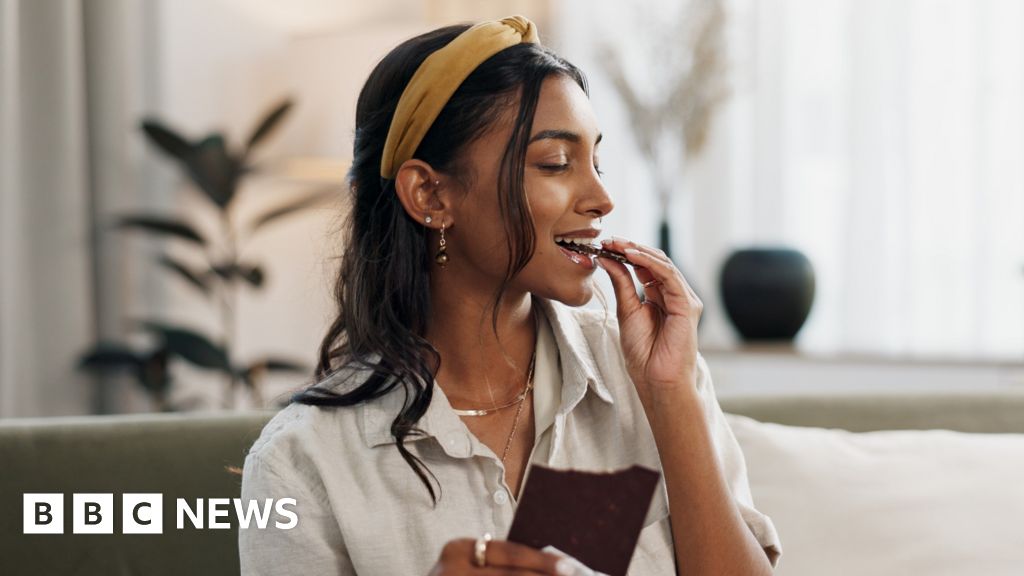
In the quest for a good night’s rest, a new wave of "sleep snacks" is emerging, promising to blend the pleasure of a treat with the science of sleep enhancement. Alice Mushrooms, a brand that has rapidly gained a cult following since its inception three years ago, is at the forefront of this trend. Their flagship product, Nightcap, a mushroom-infused chocolate, is now available in over 2,000 stores across the United States and touts a unique blend of ingredients designed to improve sleep quality.
Developed by Alice Mushrooms co-founders Charlotte Cruze and Lindsay Goodstein, Nightcap is formulated with reishi mushrooms and chamomile, both recognized for their calming properties. The chocolate also contains magnesium and zinc, minerals believed to boost the body’s natural production of melatonin, the hormone that signals sleepiness. Further enhancing its sleep-promoting profile is L-theanine, an amino acid found in green tea, known for its relaxing effects that can aid in falling asleep.
Charlotte Cruze, based in New York City, explained the meticulous process behind Nightcap’s creation. "We probably took the longest time to formulate our sleep chocolate, of any of our products, because sleep is so tough. There’s a million different reasons that people can struggle with sleep," she stated. "We worked with homeopathic doctors, PhD researchers and professional product formulators, to get something that could help with every part of the sleep cycle that could be getting disrupted."
The growing popularity of Alice Mushrooms and similar products speaks to a broader, escalating demand for sleep-related solutions. A survey by mattress company Sleepopolis revealed that approximately 47% of 1,003 Americans polled currently use a sleep aid, with natural supplements like melatonin being the preferred choice over prescription or over-the-counter medications. While pharmaceutical products still dominate the sleep aid market in the UK, natural remedies represent the fastest-growing segment. This global struggle for quality sleep is further highlighted by IKEA’s 2025 Sleep Report, which placed both the US and UK in the bottom 10 countries for overall sleep scores.
Sleep-enhancing snack foods, such as Alice Mushrooms’ Nightcap chocolate, are carving out a new niche by merging the wellness claims typically associated with health supplements with the enjoyable format of a treat. Cruze points out that consuming chocolate for sleep feels more like a reward, a stark contrast to the medicinal and less enjoyable experience of taking a capsule. This consumer preference has fueled intense competition in the "sleep treats" market. Other notable products include Goodnite dark chocolate sleep bites, featuring L-theanine and melatonin; Lagoon’s Night Bites, which contain L-theanine and magnesium; and Good Day Chocolate’s "Calm" range, infused with magnesium, L-theanine, and chamomile. Reishi mushrooms, a key ingredient in Nightcap, are also appearing in a variety of chocolates, gummies, and beverages, all marketed for their relaxation benefits.
The question remains: is there robust scientific backing for these trendy sleep-enhancing snacks? While the long-term sleep benefits of magnesium and melatonin are well-established by scientific research, the documented positive sleep impacts of ingredients like chamomile appear to be short-lived, with placebo effects often playing a significant role. Studies on reishi mushrooms, despite their ancient use in traditional Asian medicine, are currently too small and short-term to yield statistically significant conclusions.
The efficacy of L-theanine is still a subject of ongoing research. Its popularity as a food additive has steadily increased since Japan approved its use in the 1960s, largely due to its association with green tea and matcha, beverages with a rich cultural history. The US Food and Drug Administration (FDA) approved L-theanine for use in food and beverages in 2005. However, its regulatory status in Europe and the UK is more complex; it is permitted if naturally extracted from green tea but not if synthetically produced.

Current research suggests that L-theanine’s impact on sleep is modest. Academics interviewed by the BBC advise a cautious approach. Melanie Stearns, an assistant professor at the University of South Florida and director of the university’s Family, Adolescent, Child, and Caregiver Translational Sleep (FACCTS) Lab, notes that the dosages of L-theanine used in studies are often higher than what is typically found in food products. "Because of this, the sleep benefits of L-theanine when consumed in products like chocolate or snack bars are not well studied, and their effects should not be expected to be dramatic," Stearns commented.
Lina Begdache, a research assistant professor at Binghamton University in New York who specializes in the interplay between food, mood, and sleep, raises concerns about "dose stacking." This phenomenon occurs when individuals consume multiple products containing active ingredients like L-theanine, potentially leading to excessive intake. "Evidence on chronic high consumption from fortified foods and long-term neurobehavioral outcomes is still sparse. Moderation, clear labelling, and attention to total daily exposure remain prudent," Begdache advised.
These concerns are echoed by sleep counsellor Dr. Kat Lederle. She highlights the discrepancy in the timing of effects for different ingredients. For instance, melatonin is most effective when taken two hours before bed, whereas Alice Mushrooms claims Nightcap chocolate can produce effects within 15 to 45 minutes of consumption. Lederle also questions how active ingredients like L-theanine might be affected by their combination within a food product, and the influence of other components such as fats, sugars, and proteins. "I’m wondering whether some of these claims are just too early. I think there’s still more research needed as to when and how much, in what composition [is most effective], and the effect on different demographics," Lederle stated.
Furthermore, Lederle points out that the convenience of sleep aids in the form of chocolates, gummies, bars, or drinks might inadvertently lead some individuals to neglect addressing the underlying causes of their sleep issues. Charlotte Cruze of Alice Mushrooms acknowledges this point, stating, "You could take four of our Nightcap chocolates, but if you’re staring at your phone and scrolling TikTok late at night, there’s no point."

Amir Mousavi, a chef and food consultant at Good Food Studio, which assists entrepreneurs in developing new food products, is actively involved in the "functional food" trend. He notes that demand is driven by "biohacking," a movement focused on scientifically optimizing physical and mental performance. Mousavi himself follows a rigorous daily supplement regimen, including creatine for muscle building, lion’s mane mushrooms for focus, ashwagandha for stress reduction, and reishi mushrooms in the evening for relaxation. During a particularly stressful period last year, he utilized a sleep aid containing L-theanine and has invested in an AI-powered smart bed cover that adjusts temperature based on body heat, which he credits with significantly improving his sleep.
"We’re all bio-hacking like nobody’s business," Mousavi observes. "It’s always been human nature – you want the cheat, you want the shortcuts. People are very happy to experiment, even with just early stage scientific or proprietary evidence." This willingness to experiment, even with nascent scientific backing, underscores the growing consumer interest in innovative solutions for sleep and overall well-being.







 George Anjay
 Nana Banana


 Ramos Leo