
 Roy Suryo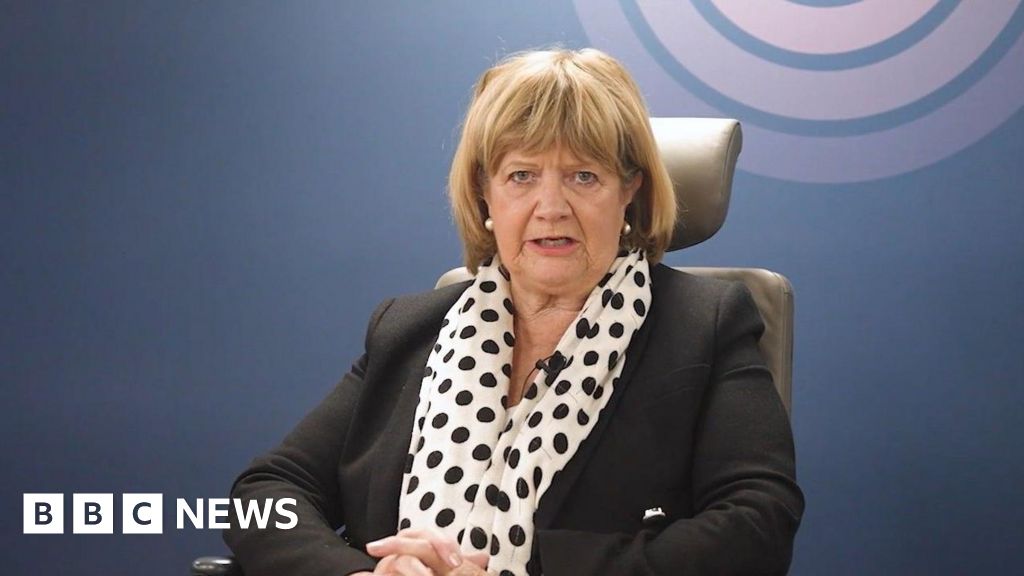
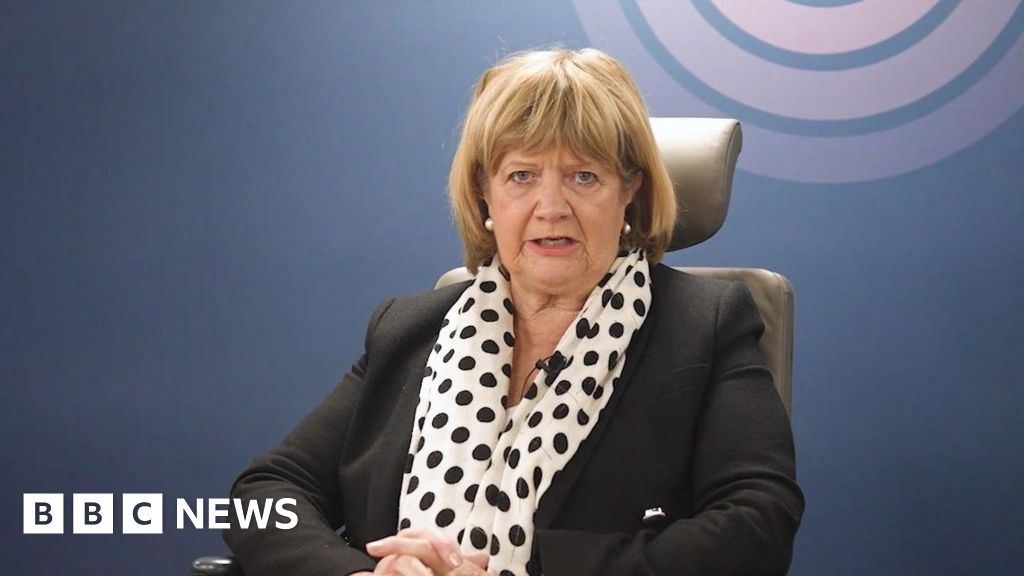
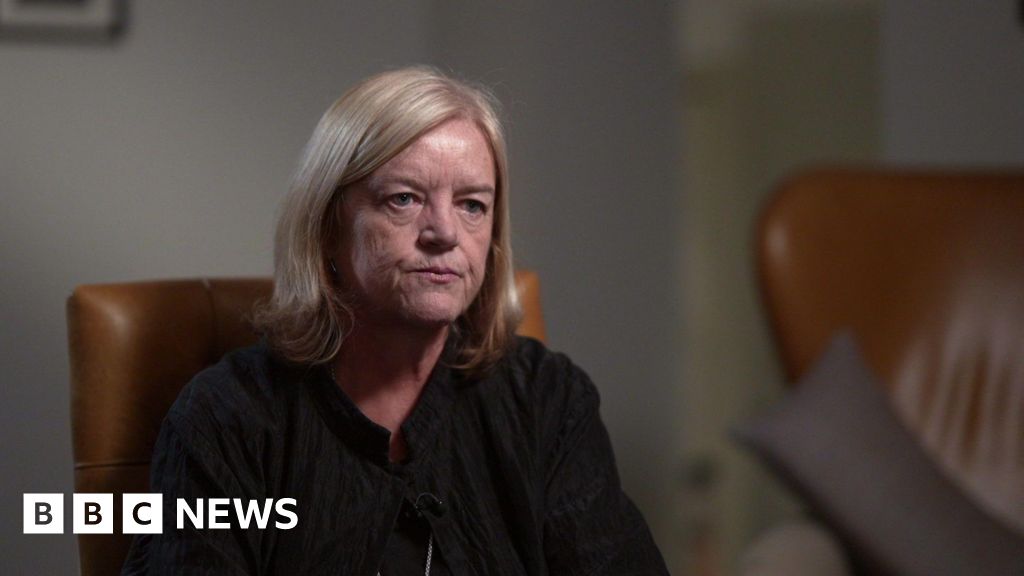
Baroness Heather Hallett, the formidable chair of the UK public inquiry into the Covid-19 pandemic, has robustly defended the significant cost and considerable duration of the extensive process on the final day of its public hearings. In a passionate closing statement, Baroness Hallett asserted that concluding the vast majority of the inquiry’s public hearings in under four years represents "an extraordinary achievement," directly addressing mounting criticism regarding both the financial outlay and the protracted timeline. The inquiry, which officially commenced in 2022 and began hearing witness testimony in June 2023, has so far incurred costs exceeding £200 million, meticulously examining the multifaceted response to the global health crisis across all four nations of the United Kingdom.
Baroness Hallett expressed a profound hope that the public, upon witnessing the comprehensive findings and the depth of human suffering revealed through the inquiry’s work, will come to fully appreciate the fundamental necessity of its establishment. "There are people who believe it is time to move on from the pandemic and they question the worth of this inquiry," she acknowledged, her voice resonating with conviction. "I hope that when they read about the extent of the suffering that we’ve heard and see the results of the inquiry’s work, they will appreciate the huge scale of loss caused by Covid 19 and they will understand better why this inquiry was established." Her defence of the inquiry’s scope and depth is underscored by the sheer volume of evidence meticulously gathered and scrutinised.
The scale of the undertaking is vividly illustrated by the fact that over 600,000 documents have been received and thoroughly reviewed by the inquiry’s dedicated teams. Furthermore, more than 350 witnesses, spanning a diverse spectrum of individuals from frontline healthcare professionals and bereaved families to senior government officials and scientific advisors, have been called upon to provide crucial oral evidence. This exhaustive collection of testimony and documentation forms the bedrock upon which the inquiry’s future recommendations will be built.
Baroness Hallett concluded her statement with a powerful call to action, urging the public to actively champion the implementation of the inquiry’s recommendations. She stressed that these recommendations, if diligently put into practice, possess the potential to significantly mitigate the devastating impact of future health emergencies. "If implemented, my recommendations should reduce the number of deaths, reduce the suffering and reduce the social and economic cost," she declared, her words carrying the weight of immense responsibility. This forward-looking perspective highlights the inquiry’s dual purpose: to provide a thorough accounting of the past and to forge a more resilient future.
The inquiry’s work is far from complete, with Baroness Hallett slated to publish eight further, in-depth reports over the coming months. These forthcoming reports will delve into critical areas such as the intricate workings of the National Health Service (NHS) during the pandemic, the strategic development and deployment of vaccines, the efficacy and challenges of test and trace systems, the profound and often overlooked impact of the pandemic on children and young people, and the critical vulnerabilities exposed within social care settings. This comprehensive schedule means the inquiry process is anticipated to extend into the first half of next year, reflecting the meticulous nature of its investigations.
Prior to this final day of hearings, Baroness Hallett had already released significant reports detailing critical aspects of the pandemic’s genesis and initial response. These earlier publications focused on the adequacy of pandemic preparedness planning in the years leading up to 2020 and provided a detailed examination of the conduct of the UK government and its devolved administrations during the most acute phases of the crisis. These foundational reports set the stage for the subsequent, more granular investigations.
The financial implications of this extensive inquiry have been a subject of considerable public discussion. The inquiry’s direct operational costs have surpassed £200 million, a figure that does not encompass the additional estimated £100 million expenditure incurred by government departments in the arduous process of gathering and submitting the vast quantities of documents and information requested. In acknowledging these figures, Baroness Hallett reiterated her initial assertion regarding the substantial investment required. "I said at the outset that this inquiry would cost a lot of money and take time. It has done. But I genuinely believe it has been worth it," she stated, maintaining her unwavering conviction in the inquiry’s ultimate value.
It is also important to note that this overarching UK inquiry operates in parallel with distinct investigations in other parts of the nation. For instance, the Scottish Government has established its own separate inquiry, under the chairmanship of Lord Brailsford. This Scottish inquiry is also currently underway and is expected to release a series of reports throughout the current year, with subsequent hearings planned to scrutinise the specific response of public bodies and policymakers within Scotland to the pandemic. The existence of these parallel inquiries underscores the national significance of the Covid-19 pandemic and the widespread desire for accountability and learning across the United Kingdom. The conclusion of the public hearings marks a pivotal moment, transitioning the inquiry from the collection of evidence to the critical phase of analysis and the formulation of impactful recommendations designed to safeguard against future public health catastrophes.


 George Anjay
 atisusanti
 Nana Banana

 Ramos Leo