
 Ramos Leo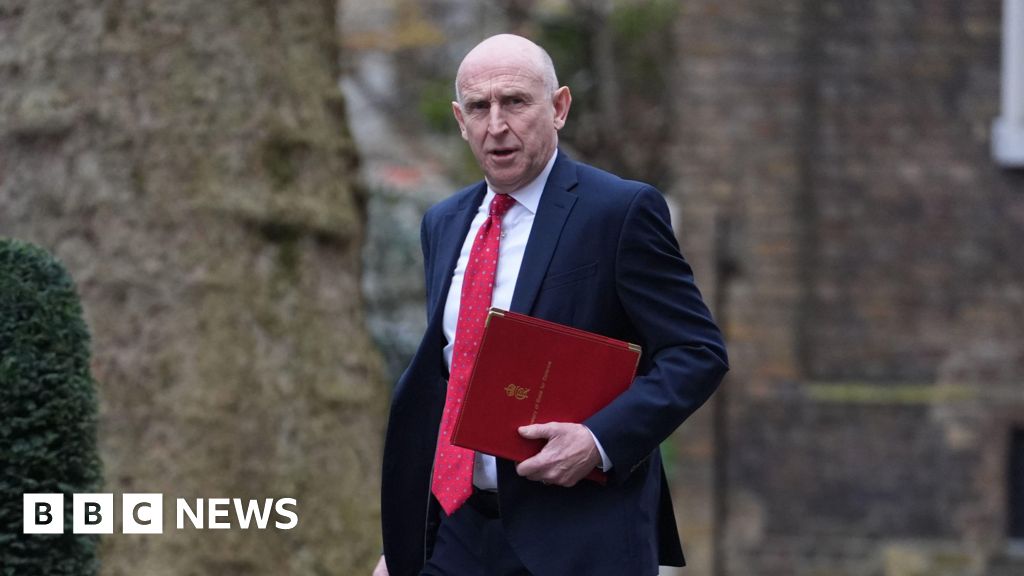
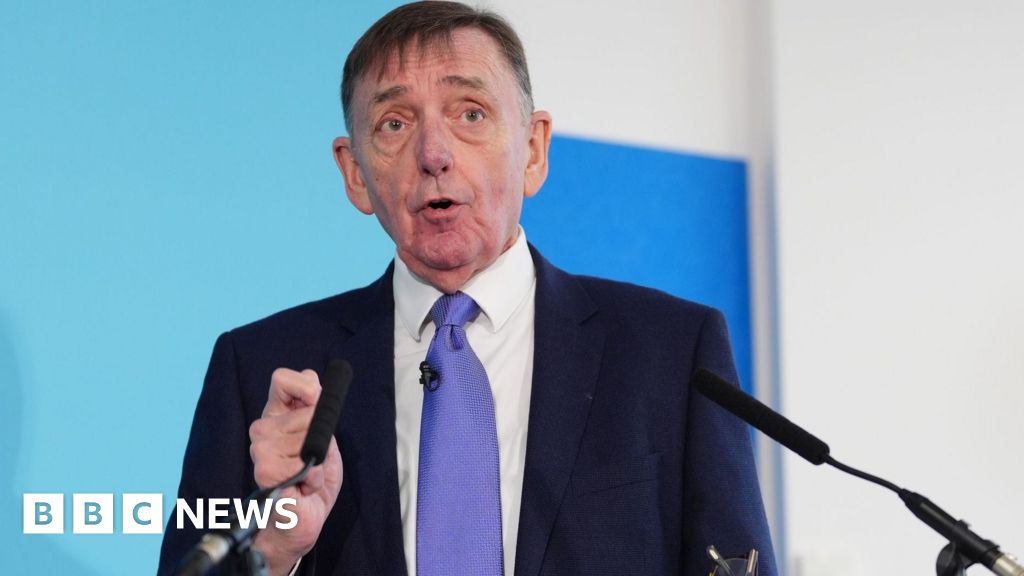
The Cypriot government has voiced significant displeasure regarding the United Kingdom’s handling of recent drone attacks targeting an RAF base on the island, a criticism surfacing prominently just hours before Defence Secretary John Healey’s scheduled visit. Dr. Kyriacos Kouros, the Cypriot High Commissioner to the UK, articulated the widespread "disappointment" among Cypriots during an appearance on BBC Newsnight. He highlighted a perceived inadequacy in the standard of information sharing with local residents following the overnight drone strike on RAF Akrotiri last Sunday, which was followed by further attempted drone incursions.
The attacks on the British sovereign base did not occur in isolation but were a direct reverberation of the rapidly escalating tensions across the Middle East. They came mere days after initial US-Israeli strikes targeting Iran on Saturday morning, an action that has subsequently triggered a series of retaliatory responses from Iranian-backed groups throughout the region. The strategic RAF Akrotiri base, a vital hub for British military operations in the Eastern Mediterranean, found itself drawn into this wider geopolitical maelstrom, underscoring the precarious position of Cyprus as a frontline state in a volatile area.
Dr. Kouros’s remarks underscored a growing unease within the Cypriot population, who feel increasingly vulnerable to the repercussions of military actions that are not directly their own. He expressed that Cypriots were "scared" and had expected "more" from their close ally, particularly concerning transparency and reassurance in the wake of such direct threats to their island. This sentiment suggests a deeper concern than just property damage; it speaks to the psychological impact on a population suddenly confronted with the realities of regional conflict spilling onto their shores. The High Commissioner’s poignant comment, "Let’s say the people are disappointed, the people are scared, the people could expect more," encapsulates the core of the Cypriot government’s critique, signaling a desire for enhanced protective measures and a more proactive, communicative stance from London.
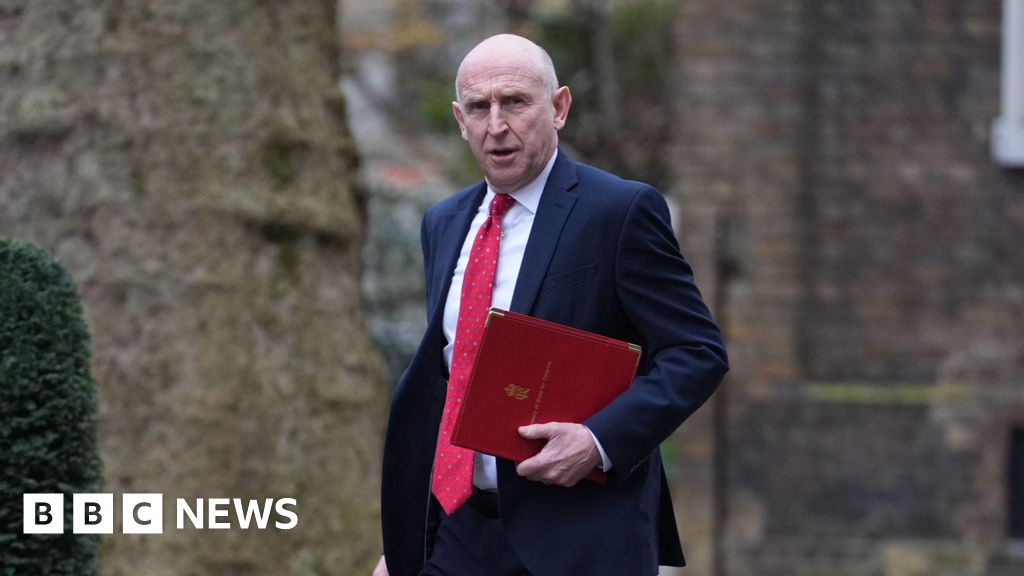
For its part, the UK government, through Home Office Minister Alex Norris, maintained a resolute front, asserting that Britain was "resolute" in protecting its national interests. Norris emphasized that "significant" time and resources had been dedicated to bolstering defensive systems in the Eastern Mediterranean, implying a robust protective shield around its assets. Indeed, RAF Akrotiri suffered "minimal damage" from the initial strike and, crucially, no casualties were reported, a fact Healey had confirmed earlier in the week. The successful interception of subsequent drones heading towards the base was presented as evidence of these defensive systems’ efficacy. Furthermore, in a precautionary move, the Ministry of Defence (MoD) temporarily relocated family members from the base to alternative accommodation, acknowledging the heightened threat level.
The strategic importance of RAF Akrotiri cannot be overstated. Located on the southern coast of Cyprus, it is one of two Sovereign Base Areas (SBAs) retained by the UK after Cyprus gained independence in 1960. These bases provide the UK with a unique and invaluable forward operating location, crucial for projecting air power and intelligence gathering across the Middle East and North Africa. Historically, Akrotiri has played roles in various conflicts, from the Suez Crisis to operations against ISIS in Iraq and Syria. Its current involvement, however, in the context of US-Israeli-Iranian tensions, places it in a particularly sensitive and exposed position. The drones that targeted the base are believed to have originated from Iranian-backed militias in Iraq or Yemen, seeking to retaliate against Western assets in response to the perceived aggression against Iran.
Despite the UK’s assurances of strong defensive capabilities, the delay in deploying additional naval assets has drawn scrutiny. The UK announced that the British warship HMS Dragon, equipped with advanced air defence capabilities, would be deployed to Cyprus. However, the caveat that it is "not due to sail until next week" sparked questions about the speed and readiness of the UK’s response. Critics have highlighted the absence of a major Royal Navy warship in the Mediterranean region at a time of escalating tensions, especially given the visible build-up of US military presence and former President Donald Trump’s public threats against Iran. This has fueled a broader debate within the UK about the current state of its naval capabilities and its ability to project power and protect its interests globally without significant delays. The MoD stated that HMS Dragon would reinforce existing assets, including "RAF Typhoons, F-35B jets, ground-based counter-drone teams, radar systems, and Voyager refuelling aircraft already deployed," aiming to create a multi-layered defence.
The Cypriot government’s call for "more" extends beyond immediate defence, touching upon the broader implications of the UK’s military operations on the island’s stability and security. As a neutral EU member state, Cyprus has consistently sought to avoid being drawn directly into regional conflicts, instead positioning itself as a hub for diplomacy and humanitarian aid. The presence of a foreign military base, particularly one actively involved in regional operations, complicates this delicate balance. The concern is that retaliatory actions against the UK base could inadvertently escalate tensions for the entire island, potentially impacting its vital tourism industry and the safety of its citizens. The delicate balance of Cypriot sovereignty with the historical presence and operational demands of the UK’s Sovereign Base Areas remains a constant point of discussion, amplified during periods of regional instability.
Adding to the complexities, the Foreign Office cited "technical issues" as the reason for the delay of the first UK government-chartered flight intended to evacuate British nationals from the Middle East. The flight, which was due to depart on Wednesday evening, remained grounded, leaving thousands of British citizens in limbo amidst widespread flight disruptions across the region. This incident further underscores the challenges faced by Western nations in ensuring the safety of their citizens and the efficacy of their logistical responses in a rapidly deteriorating security environment. The inability to execute even planned evacuations efficiently highlights the profound impact of the ongoing attacks on civilian travel and the broader infrastructure of the region.
Looking ahead, Defence Secretary John Healey’s visit is anticipated to be a critical opportunity for direct dialogue between the UK and Cypriot governments. Discussions are expected to focus on enhancing intelligence sharing, bolstering joint defensive strategies, and addressing the Cypriot government’s concerns about transparency and the protection of its populace. The visit will likely serve as a platform for the UK to reassure Cyprus of its commitment to regional stability and its intent to mitigate any unintended consequences of its military presence. However, the underlying tensions in the broader Middle East continue to simmer, ensuring that the strategic importance of RAF Akrotiri, and the challenges it presents for Cyprus, will remain a significant point of geopolitical focus for the foreseeable future. The situation demands not just military vigilance but also a concerted diplomatic effort to manage the delicate balance between sovereign responsibilities and regional security imperatives.





 Nana Banana

 Roy Suryo
 atisusanti
 Nakalama John