
 Roy Suryo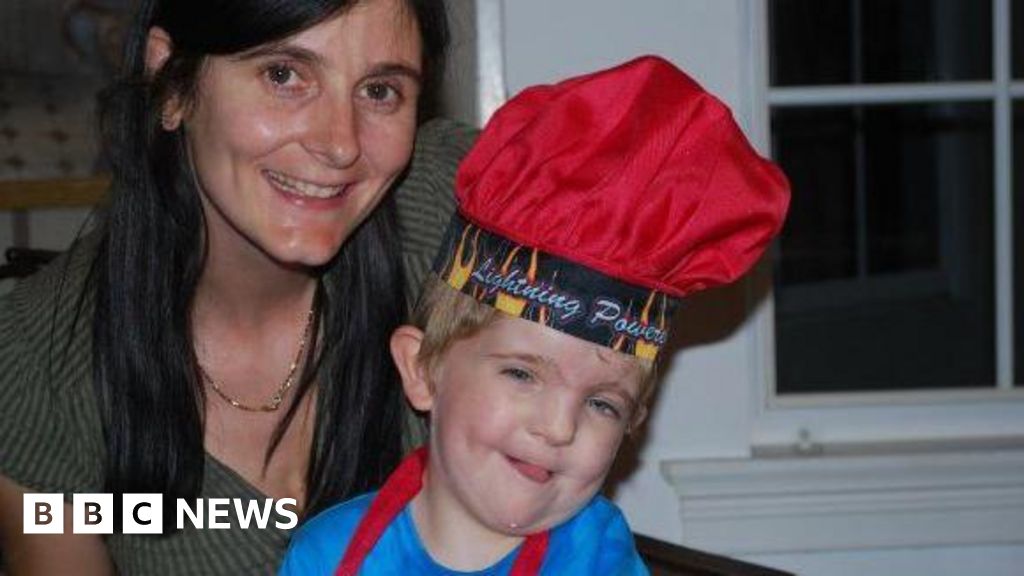
The tragic death of nine-year-old Jack Moate, who passed away just weeks after undergoing hip surgery performed by a now-suspended surgeon, has been formally referred to a coroner. The boy’s family has spoken out about their harrowing experience, detailing their son’s suffering and calling for answers and justice. The surgery, carried out in September 2015 at Addenbrooke’s Hospital in Cambridge by orthopaedic consultant Kuldeep Stohr, who specialised in paediatric care, has been the subject of a critical review. This review has unearthed "evidence that fatal physical harm was caused," according to a letter from the Cambridge University Hospitals NHS Foundation Trust (CUH) to Jack’s mother, Elizabeth Moate.
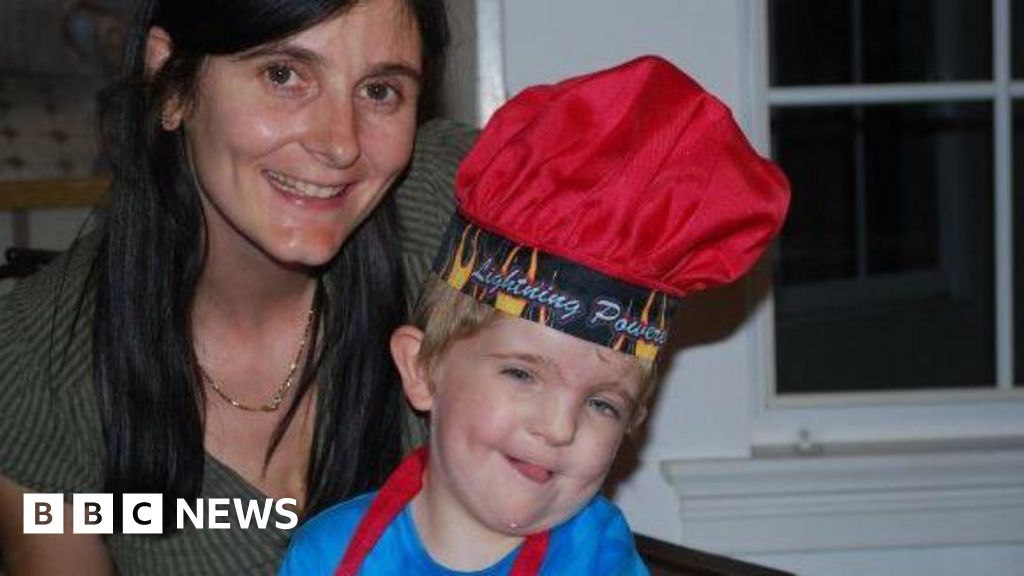
Jack, a brave young boy with complex medical needs and significantly limited mobility, endured an arduous surgery lasting almost eight hours. The procedure aimed to address issues with his hips, but the outcome was devastating. He died nearly eight weeks after the operation, with his mother describing him as being "in agony" in his final days. His case is now part of a broader, external clinical review commissioned by CUH into the practice of Ms. Stohr, following widespread concerns about care that was allegedly "below the expected standard." This comprehensive review encompasses the cases of nearly 700 patients.
A letter from CUH, dated February, which was seen by the Press Association, explicitly states that an independent clinical expert examining Jack’s care concluded that "there was evidence that fatal physical harm was caused." The trust’s definition of fatal harm, as outlined in the letter, signifies that "at the time of reporting, the patient, in this case Jack, has died and the incident may have contributed to the death." This acknowledgement prompted the trust to report Jack’s case to the coroner, who will now conduct an independent investigation and is expected to liaise with the family.
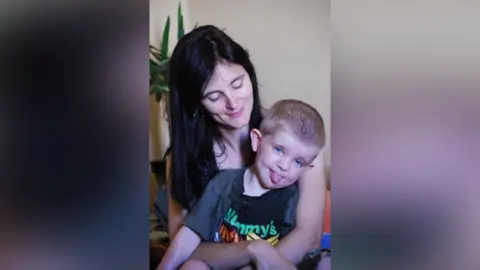
Elizabeth Moate, Jack’s mother, resides in Cambridgeshire and has bravely shared details of her son’s life and the circumstances surrounding his death. Jack had been diagnosed with epilepsy and required a wheelchair for mobility, though he possessed the ability to sit independently and unaided and could utilise a standing frame and walking machine. Mrs. Moate had expressed significant reservations about the planned surgery, particularly given her son’s complex medical conditions and his heightened susceptibility to infections. Her primary motivation now is to secure "answers and justice for Jack."
The surgery resulted in Jack suffering "significant blood loss." Critically, the procedure left his right hip misaligned and his left hip in an unstable and unhealed state. Mrs. Moate recounted her profound distress and inability to forgive the hospital for what transpired. "They sent my boy home and he died in agony," she stated, expressing her regret over the decision to proceed with operations on both hips simultaneously. She had advocated for a staged approach, with one operation at a time, but felt "pressured into signing the consent form."
At the time of his passing on 21 November 2015, Jack’s cause of death was officially recorded as deep vein thrombosis, complicated by cerebral palsy and epilepsy. However, the findings of the independent clinical review strongly suggest a link between the surgical intervention and his ultimate demise.
Solicitor Elizabeth Maliakal, of Hudgell Solicitors, who is representing Mrs. Moate, emphasised that Jack’s death "pre-dates all investigations and reviews carried out into Ms Stohr’s practice." Ms. Maliakal has been a vocal advocate for a statutory inquiry into patient safety within the NHS and has expressed a desire to meet with Health Secretary Wes Streeting to discuss these critical issues. The legal representative confirmed that all details concerning Jack’s care at the trust have been provided to the coroner. The trust is committed to cooperating fully with the coroner’s investigation to ascertain the precise cause of Jack’s death.
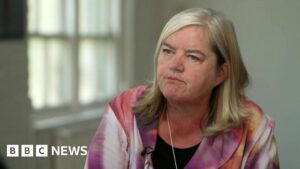
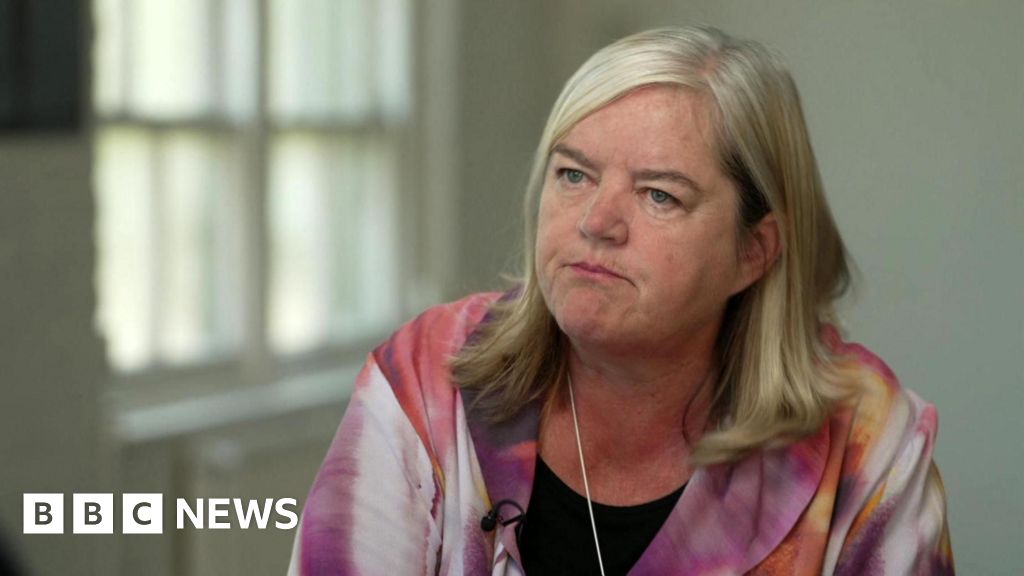
Cambridge University Hospitals NHS Foundation Trust, through Dr. Sue Broster, issued a formal statement offering "unreserved apologies for the failings in Jack’s care." Dr. Broster added, "We will publish a summary of the review findings once all cases have been reviewed and discussed with those affected, and remain committed to implementing improvements to our services to ensure cases like Jack’s cannot happen again." The trust anticipates that the extensive clinical review process will conclude in the summer, at which point the findings and any subsequent recommendations will be made public.
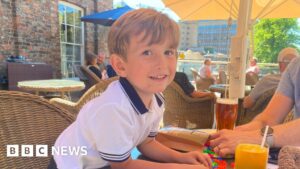
The BBC has approached Ms. Stohr’s solicitor for a statement regarding these recent developments. Prior to this, Ms. Stohr had issued her own statement, asserting, "I always strive to provide the highest standards of care to all my patients. I am cooperating fully with the trust investigation, and it would not be appropriate to comment further at this time." The referral to the coroner marks a significant step in seeking accountability and understanding the complex series of events that led to the tragic loss of young Jack Moate. The ongoing review and the coroner’s inquest are expected to shed further light on the systemic issues that may have contributed to this devastating outcome, with the hope of preventing similar tragedies in the future. The images accompanying the report, depicting Jack in happier times and with his mother, serve as a poignant reminder of the young life lost and the profound grief experienced by his family. The visual evidence of Jack’s limited mobility and his cheerful disposition in the photographs underscore the vulnerability of his condition and the profound impact of the alleged medical failings. The context provided by the images enhances the emotional weight of the narrative, highlighting the human cost of these serious concerns within the NHS. The trust’s commitment to publishing findings and implementing improvements signals a potential pathway towards learning and reform, but the immediate focus remains on the coroner’s investigation and the pursuit of justice for Jack and his family. The details of the surgery, including the eight-hour duration and the complications of significant blood loss, hip misalignment, and instability, paint a grim picture of a procedure that went catastrophically wrong. The mother’s recollection of feeling pressured to sign consent forms raises further serious questions about the consent process and patient autonomy within the hospital setting. The subsequent death of Jack in agony, as described by his mother, is a deeply disturbing element of this unfolding tragedy. The trust’s admission of "failings in Jack’s care" is a critical acknowledgment, but the family is understandably seeking more than an apology; they are seeking concrete answers and accountability. The broader review of Ms. Stohr’s practice, encompassing nearly 700 patients, suggests that Jack’s case may be indicative of a wider pattern of concern, underscoring the urgency and importance of the ongoing investigations. The commitment to transparency and publication of findings is a positive step, but the timeline for this, expected in the summer, means the family must continue to wait for full disclosure. The role of the coroner will be crucial in determining the exact circumstances and cause of death, and their findings will likely have significant implications for the future of patient safety protocols at the trust and potentially beyond. The legal team representing Mrs. Moate’s determination to meet with the Health Secretary highlights the national significance of this case and the broader anxieties surrounding NHS patient safety. The narrative arc of this news report moves from the immediate notification of the coroner’s involvement to the deeper context of a systemic review and the emotional toll on the grieving family. Each element contributes to a comprehensive understanding of the gravity of the situation and the ongoing search for truth and justice for young Jack Moate.


 George Anjay
 Nana Banana
 Ramos Leo
 atisusanti
 Nakalama John