Ramos Leo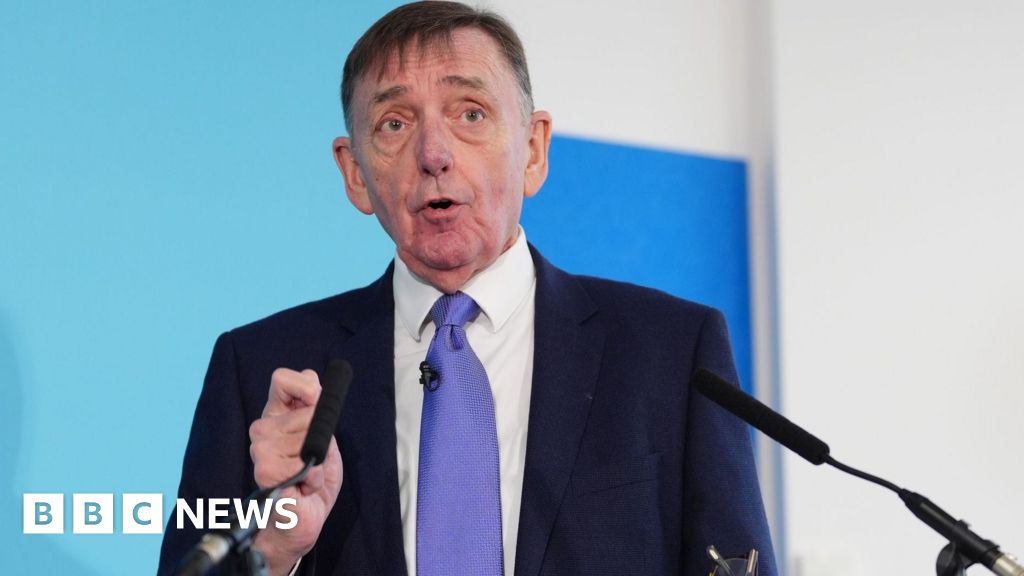
In a significant political move poised to inject fresh dynamism into London’s electoral landscape, Sir Robin Wales, the former long-serving Labour mayor of Newham, and ex-councillor Clive Furness have officially declared their allegiance to Reform UK. The announcement, strategically timed in the run-up to May’s crucial local elections, sees Furness stepping forward as Reform UK’s mayoral candidate for Newham, while Sir Robin assumes a pivotal role as the party’s London director of local government. This dual defection marks a notable moment for Reform UK, a party aggressively seeking to carve out a greater presence in the capital and beyond.
The rationale behind their departure from Labour, a party they both served for decades, was articulated with sharp criticism aimed at their former political home. Clive Furness, whose tenure as a Newham councillor spanned more than twenty years, expressed profound disillusionment, citing the "balkanisation of Britain" as a primary concern. This phrase, frequently invoked in contemporary political discourse, alludes to a perceived societal fragmentation where communities increasingly vote along religious and racial lines, eroding a sense of national unity. Furness argued that Labour, in its current guise, has not only "failed London" but has become "completely out of touch with the communities it was meant to represent." He lamented that the party had "abandoned its core principles" and, crucially, the working class – a demographic historically considered the bedrock of Labour’s support. This sentiment resonates with Reform UK’s broader narrative, which often positions itself as the true voice of the common person against what it portrays as an out-of-touch political establishment.
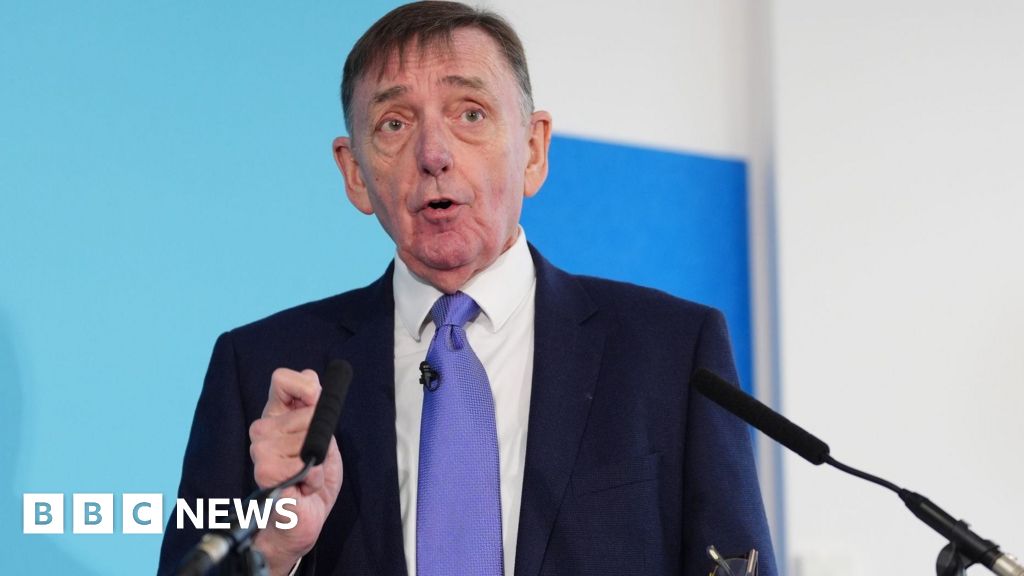
Sir Robin Wales echoed these criticisms, focusing specifically on the stewardship of London under Labour Mayor Sadiq Khan. He contended that the capital has been plagued by "soaring crime, failing services, and a party that prioritises the wealthy elite over the working class it was built to represent." These accusations tap into widespread public anxieties regarding urban safety, the efficacy of public services, and the perceived disconnect between political elites and everyday citizens struggling with the cost of living. Sir Robin’s move is particularly striking given his prominent past within Labour. As Mayor of Newham, he was the UK’s longest-serving directly elected mayor when he was deselected by the party in 2018, after an impressive 23 years in office. During his extensive tenure, he played a crucial role in overseeing the monumental regeneration of the east London borough, a transformation intrinsically linked to the 2012 Olympic Games. This period saw significant infrastructure development, housing projects, and a concerted effort to revitalise one of London’s most diverse and historically deprived areas. However, his leadership style was not without its detractors, facing criticism that ultimately contributed to his ousting by local Labour members. His long-standing history and subsequent contentious exit provide a compelling backdrop for his current defection, suggesting deep-seated grievances that predate the current Labour leadership.
The Labour Party’s response was swift and dismissive. A London Labour spokesperson retorted that Reform UK was "scraping the barrel" with the announcement. They emphasised that "neither men have been part of the Labour movement for some time," seeking to minimise the significance of the defections. The spokesperson further highlighted that Sir Robin Wales’s removal by local members was "following concerns about his record in office," aiming to discredit his criticisms and present his departure as a consequence of past performance rather than a principled stand. This counter-narrative attempts to frame the defections as opportunistic rather than indicative of a wider malaise within the Labour Party.
For Reform UK, these high-profile acquisitions represent a strategic coup, particularly as the party aims to make inroads in London’s May local elections. While Newham Council is currently a Labour stronghold, with the party holding the vast majority of seats and Reform UK having no current representation, the borough presents an interesting battleground. Newham’s demographic makeup, economic challenges, and history of strong Labour support, coupled with areas of working-class disillusionment, make it a fertile ground for Reform UK’s populist message. The party hopes to capitalise on sentiments of frustration with mainstream politics, echoing themes of neglect and a perceived cultural shift away from traditional values.

Nigel Farage, the honorary president of Reform UK, who had previously hinted at a major Labour defection, underscored the party’s broader ambitions. He revealed that talks were "ongoing with a number of other figures who had held senior positions in the party," signaling a concerted effort to attract more disillusioned former Labour members. This strategy suggests Reform UK is not merely seeking individual recruits but aiming to establish itself as a viable alternative for those who feel politically homeless or betrayed by the traditional left. Farage’s influence and ability to attract media attention are crucial to Reform UK’s visibility and its efforts to break through the two-party dominance.
The defections also offer a window into the evolving political landscape of the UK. Reform UK, with its platform advocating for lower taxes, stricter immigration controls, and a more robust stance against perceived "woke" ideologies, is increasingly appealing to voters across the political spectrum, including those traditionally aligned with Labour. The party’s national polling figures have shown a gradual but consistent rise, suggesting a growing appetite for an anti-establishment voice. The current climate, marked by a cost of living crisis, public service strains, and ongoing debates around national identity and culture, provides fertile ground for Reform UK to expand its appeal.
While the immediate impact of these defections on Labour’s seemingly unassailable dominance in London remains to be seen, they carry significant symbolic weight. They provide Reform UK with credible figures who can speak directly to the grievances of disaffected Labour voters, particularly in areas like East London that have undergone profound demographic and economic changes. The challenge for Reform UK in London, a generally more liberal and diverse city than some of its other target regions, will be to translate this symbolic momentum into tangible electoral gains. However, by securing figures with deep local roots and a history of public service, Reform UK is sending a clear message: it intends to challenge the established order, even in Labour’s traditional heartlands, and offers a home for those who feel their voices are no longer heard by the mainstream. The coming local elections will serve as a crucial test of whether these high-profile defections signify a nascent trend or merely an isolated incident in the complex tapestry of British politics.




 atisusanti
 George Anjay
 Nana Banana