Ramos Leo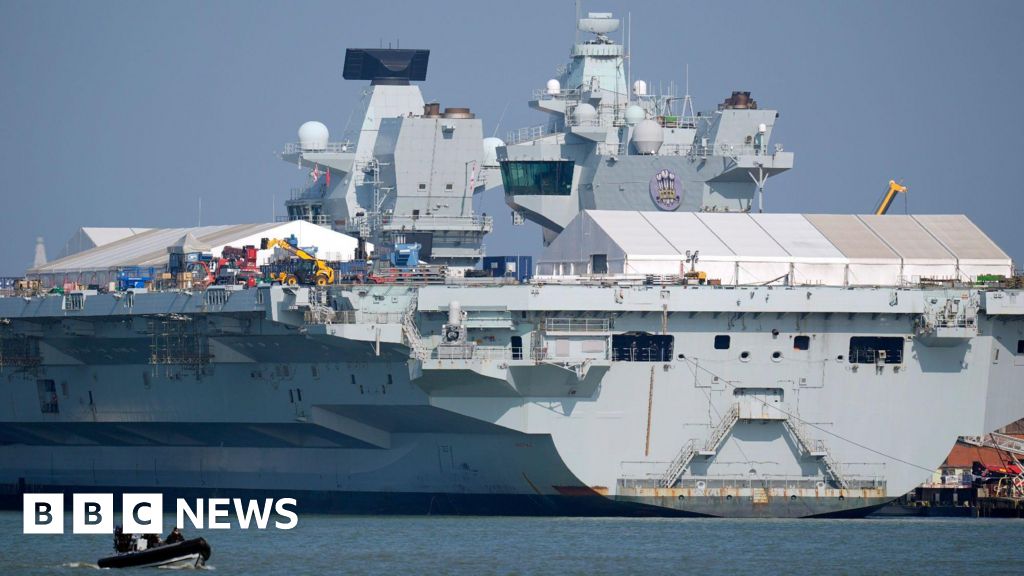
The United Kingdom’s flagship aircraft carrier, HMS Prince of Wales, one of the Royal Navy’s two formidable Queen Elizabeth-class vessels, is now understood to be unlikely to deploy to the Middle East despite earlier speculation that it would bolster British interests in the volatile region. This development marks a significant shift from initial expectations and highlights the complex strategic calculus facing the Ministry of Defence.
For days, there had been growing whispers that the carrier, a symbol of British naval power projection, was being prepared for a potential deployment to the Mediterranean. The primary driver behind this speculation was the escalating tensions in the Middle East, particularly concerns over the security of British sovereign bases in Cyprus. RAF Akrotiri, a crucial strategic outpost, had recently come under threat from Iranian-backed drone and missile attacks, prompting calls for enhanced protective measures. The deployment of a carrier, with its embarked F-35B Lightning II stealth fighter jets and advanced air defence capabilities, would have provided a substantial deterrent and defensive shield for these vital assets.
However, sources close to the government have now indicated a change of course. Instead of sailing towards the Mediterranean’s geopolitical hotspots, the HMS Prince of Wales is reportedly set to embark on a long-planned deployment to the Arctic. This move will see the carrier participate in a series of extensive NATO exercises, underscoring the UK’s commitment to its alliances and the defence of the Euro-Atlantic area, particularly in the strategically vital high north.
The journey to this decision has been fraught with a degree of ambiguity from official channels. Over the preceding weekend, government officials maintained a cautious stance, stating explicitly that "no decision had been made" regarding a Mediterranean deployment. While not outright dismissing the reports of an increasing likelihood of such a mission, their careful wording left room for alternative plans. This period of uncertainty reflected the fast-evolving geopolitical landscape and the need for careful consideration of strategic priorities.
The context of the Middle Eastern tensions is critical to understanding the initial speculation. The region has been experiencing heightened instability, driven by various factors including Iran’s regional assertiveness, the ongoing conflict in Gaza, and the proliferation of drone and missile technologies used by non-state actors. British interests in the region are multi-faceted, encompassing the security of shipping lanes, the protection of commercial interests, and the stability of key allies. RAF Akrotiri in Cyprus serves as a vital staging post for operations across the wider Middle East, including intelligence gathering and air support missions. Its vulnerability to recent drone strikes, one of which caused "minimal damage" to the runway last week, underscored the urgent need for robust air defence.
The UK’s involvement in the broader regional security efforts has been carefully calibrated. While London did not permit its bases to be used in initial US offensive strikes against Iranian targets, it has since granted permission for their use in "defensive action" against Iranian missile strikes. This distinction highlights the UK’s desire to support allies and protect its assets while avoiding a direct escalation into a broader conflict.
Despite the shift in the carrier’s likely destination, the Ministry of Defence had previously placed HMS Prince of Wales on an advanced state of readiness. The Prime Minister’s official spokesman confirmed this, stating: "HMS Prince of Wales has always been on very high readiness. The MoD is increasing the preparedness of the carrier, reducing the time it would take to set sail for any deployment, but there is no decision taken to deploy her." This heightened state of readiness initially fuelled the belief that a Middle East deployment was imminent, given the rapidly deteriorating security situation.
However, sources later clarified that this decision to bolster the ship’s readiness was not, in fact, directly connected to the unfolding events in Iran or the Red Sea. Instead, it was described as part of routine operational planning, ensuring the carrier’s availability for various potential missions, including the pre-scheduled NATO exercises in the Arctic. This explanation sought to decouple the carrier’s operational status from immediate geopolitical crises, though it did little to quell public and media speculation about the government’s strategic intentions.
The deployment of HMS Prince of Wales to the Arctic for NATO exercises is a crucial undertaking, reflecting the alliance’s renewed focus on its northern flank. The Arctic region has gained significant strategic importance, particularly with Russia’s increased military activity and its expanding presence along its northern coastline. NATO nations regularly conduct exercises in this challenging environment to hone their capabilities in cold-weather operations, anti-submarine warfare, and air defence, ensuring interoperability and readiness against potential threats. A Queen Elizabeth-class aircraft carrier, with its ability to project air power and command a task group, provides an invaluable asset for such large-scale, high-intensity drills. These exercises are vital for demonstrating collective defence and deterrence in a strategically critical, yet often overlooked, theatre.
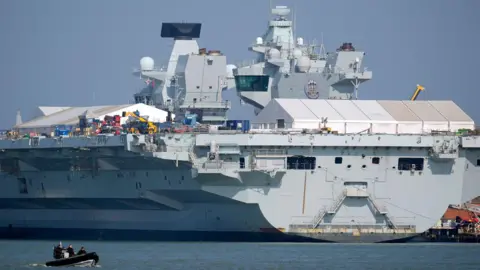
While the HMS Prince of Wales redirects its course, the UK government has already taken steps to reinforce its presence and protective capabilities in the Middle East and around Cyprus. Extra fighter jets, including advanced Typhoons and F-35s, have been deployed to the region. Additionally, air defence systems and an additional 400 personnel have been sent to Cyprus to enhance the security of British bases. The Type 45 destroyer HMS Dragon, a highly capable warship known for its advanced air defence systems, is also being dispatched to the region. However, HMS Dragon is not yet ready to leave Portsmouth and is expected to set sail in the coming days, highlighting the logistical challenges of rapid deployment.
The government’s response to the threats facing Cyprus has not been without criticism. Some voices, particularly from within defence circles and opposition parties, have accused the UK government of not acting swiftly enough to protect its vital assets from enemy drones and missiles. The incident at RAF Akrotiri, where a small drone managed to strike the runway, served as a stark reminder of the persistent and evolving nature of the threats. Critics argue that a more proactive and visible demonstration of force, such as an earlier carrier deployment, could have deterred further attacks and reassured allies.
The Prime Minister’s official spokesman, however, defended the government’s actions, stating that "significant offensive capabilities to protect British people and our allies in the region" had already been deployed. These include the aforementioned Typhoons, F-35 fighter jets, sophisticated air defence systems, and the increased personnel presence in Cyprus. This comprehensive package of measures, the spokesman argued, demonstrated the UK’s unwavering commitment to regional security and the protection of its interests.
The decision to send HMS Prince of Wales to the Arctic instead of the Middle East underscores the delicate balancing act inherent in modern defence policy. With finite resources, nations like the UK must constantly weigh competing strategic demands from different parts of the globe. While the Middle East remains a critical area of concern, the commitment to NATO’s collective defence and the importance of maintaining readiness in the high north cannot be understated. This shift reflects a strategic prioritization, signaling that while regional threats are acknowledged and addressed through other means, long-term alliance commitments and high-end warfighting readiness remain paramount for the Royal Navy’s most significant assets. The episode also highlights the dynamic nature of defence planning, where initial assessments and public speculation can quickly diverge from the final, carefully considered operational directives.






 George Anjay
 atisusanti
 Nakalama John