 George Anjay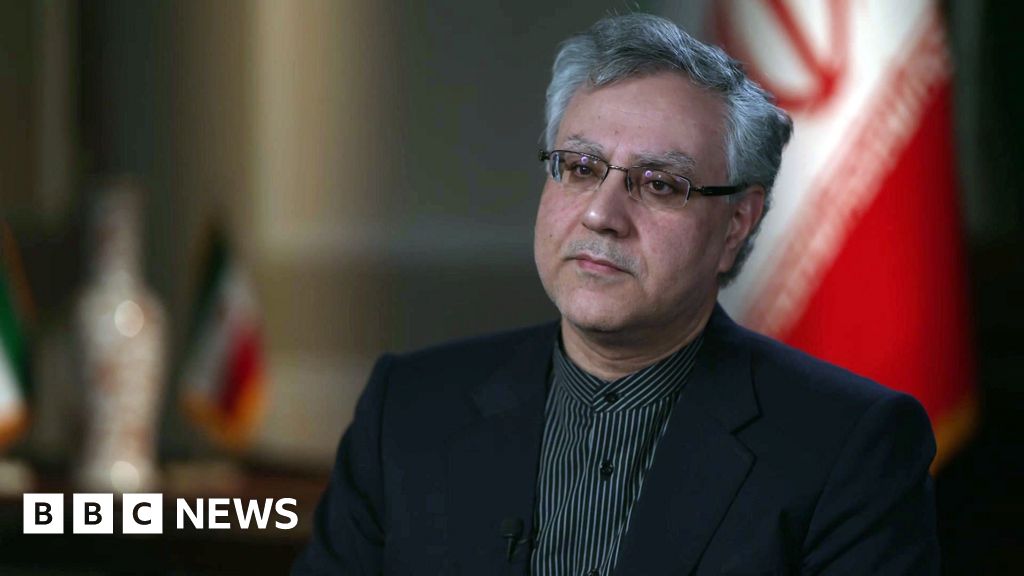
Seyed Ali Mousavi, the Iranian ambassador to the United Kingdom, has emphatically stated that Iran will persist in defending itself against any perceived aggression, particularly from what he described as the "American and Israeli side." This declaration comes in the wake of a series of widespread strikes across the Middle East, which have caused significant disruption and damage in numerous countries. The ambassador’s remarks were made in an exclusive interview with the BBC’s "Sunday with Laura Kuenssberg," a broadcast that also coincided with Iran’s President Masoud Pezeshkian offering an apology to its Gulf neighbors and pledging to halt further attacks.
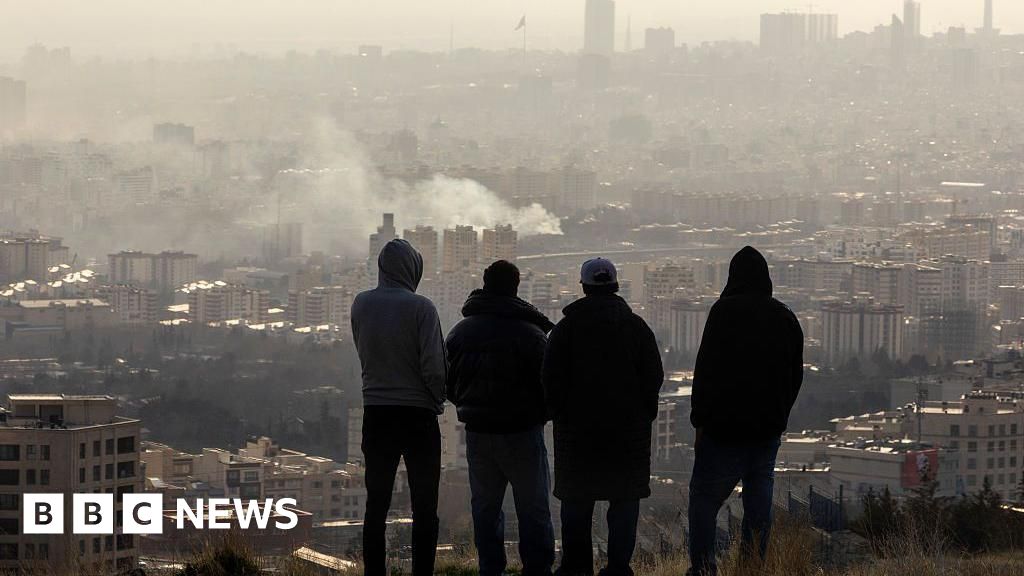
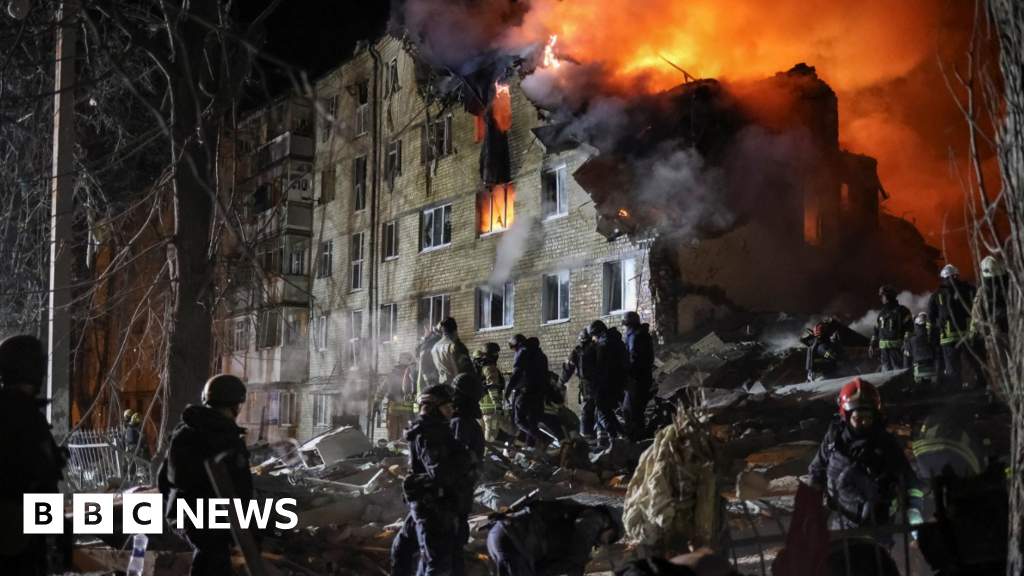
Despite the Iranian President’s conciliatory gestures, Mousavi underscored that Iran’s overarching policy remains one of self-defense. He articulated that if Iranian "facilities or properties or bases are used against the Iranian nation," they would be unequivocally considered "legitimate targets." This warning follows days of escalating tensions and retaliatory strikes, with reports indicating that Gulf nations, including Qatar and the United Arab Emirates, have been impacted by Iranian actions, while the United States and Israel have maintained their own offensive operations. The conflict, now entering its second week, has cast a long shadow over regional stability.
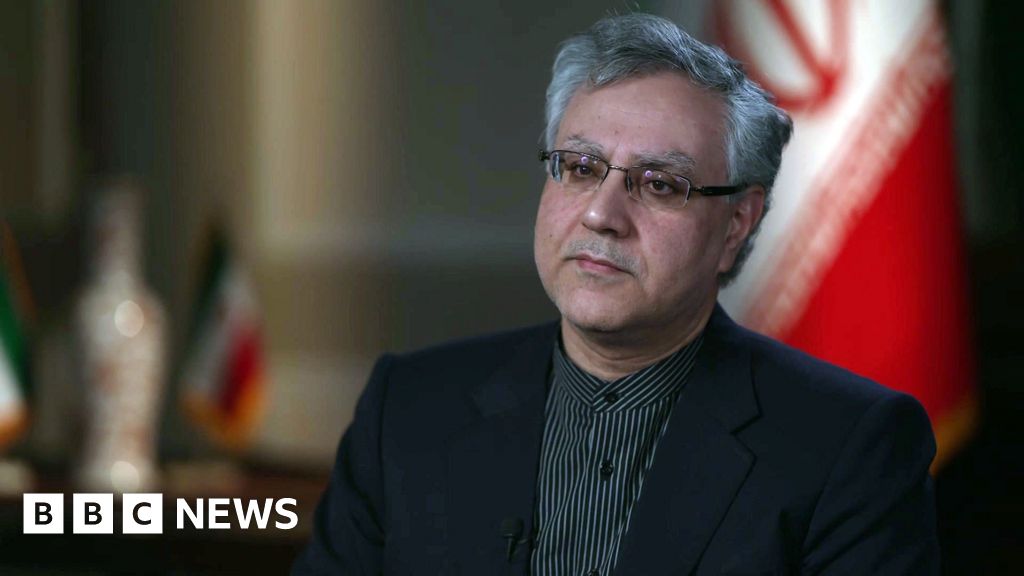
During the BBC interview, Mousavi addressed the question of whether Iran would cease its attacks on military bases located outside of Israel, in other parts of the Middle East. He expressed a "willingness from the Iranian side not to strike, not to attack our neighbours." However, this apparent openness was tempered by his firm assertion that Iran reserves the right to continue striking targets across the entire region where military bases are situated. The ambassador reiterated that Iran’s future actions would be contingent upon "the activities of the Americans and the Israeli regime." He stated with certainty, "If the aggression continues, there is no doubt we will defend ourselves. And if they want to use these military bases – although we don’t want to do that – there is no doubt we will defend ourselves accordingly."
The current wave of conflict began more than seven days prior, when the United States and Israel initiated strikes on Iran, prompting Tehran’s retaliatory measures across the region. The geographical scope of these attacks is extensive, with reports confirming strikes in Kuwait, the United Arab Emirates, Saudi Arabia, Bahrain, Oman, and Iraq. Additionally, an RAF base in Cyprus has also been affected. The unprecedented nature of Iran’s public apology from its president, coupled with the ambassador’s willingness to engage in an interview, highlights the gravity of the situation and Iran’s desire to present its narrative.
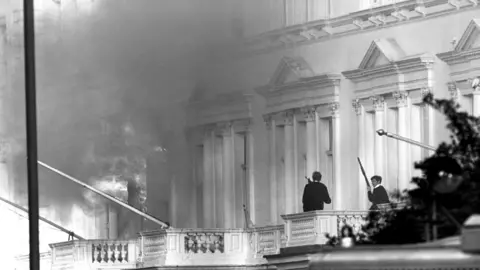
The interview took place at the Iranian Embassy in London, a building steeped in the complex and often fraught history between Iran and Western nations. The embassy itself holds a significant historical resonance, notably as the site of a dramatic siege in 1980, which concluded with the intervention of the Special Air Service (SAS) commandos. During that event, five Iranian gunmen, affiliated with a dissident group opposing Ayatollah Khomeini, were killed. The siege resulted in the release of nineteen hostages, though one hostage lost their life and two others sustained injuries in the crossfire. This historical backdrop underscores the deep-seated tensions that have characterized relations between Iran and the West for decades.
Ambassador Mousavi, speaking from within the embassy, prominently displayed a large banner bearing the image of Iran’s Supreme Leader, a symbol of the nation’s ideological and political structure. His primary objective, mirroring that of President Pezeshkian in Tehran, appeared to be to frame Iran’s actions as a defensive response to aggression initiated by Israel and the United States. He aimed to convey that Iran was not seeking to endanger civilians in other Middle Eastern countries or to prolong the conflict unnecessarily.
However, the narrative presented by Iran’s leadership faces a counterpoint in the actions themselves. The extensive reach of Iran’s retaliatory strikes, impacting multiple nations across the region, is viewed by Western officials as a less targeted and more indiscriminate response. This broader pattern of attacks appears to contradict the ambassador’s assurances of restraint. Mousavi, in his address, vehemently denied that Iran was the primary instigator of the current conflict and dismissed outright any notion of surrender, particularly in response to demands from U.S. President Donald Trump.
While Iran has offered apologies for some of the disruptions caused to its neighboring countries, this conciliatory gesture does not signal an imminent end to the ongoing war. The ambassador’s strong stance on self-defense, coupled with the continued military engagements, suggests a prolonged period of heightened tension and potential further escalation in the Middle East. The intricate geopolitical landscape, marked by historical grievances and competing interests, continues to define the trajectory of this volatile regional conflict. The dual messages emanating from Iran – an apology from the president and a resolute defense posture from the ambassador – present a complex and multifaceted picture of the nation’s strategic intentions and its approach to regional security. The international community remains watchful, assessing the implications of Iran’s pronouncements and actions on the stability of an already volatile region. The embassy itself, a silent witness to historical events, now hosts discussions that could shape the future of Iran’s international relations and its role in the ongoing Middle Eastern crisis. The ambassador’s firm assertion of Iran’s right to defend itself, even if it means targeting military bases used against its interests, underscores a commitment to a robust response in the face of perceived threats, regardless of the diplomatic overtures made by the nation’s president. This dichotomy in messaging highlights the internal dynamics and strategic calculations at play within the Iranian government as it navigates a highly charged international environment. The repercussions of these actions and pronouncements extend far beyond the immediate conflict, impacting global energy markets, international diplomacy, and the broader struggle against terrorism. The unwavering resolve expressed by Ambassador Mousavi signals that any resolution to the current crisis will likely be hard-won and subject to the continued actions of all parties involved.



 atisusanti
 Nana Banana