
 Ramos Leo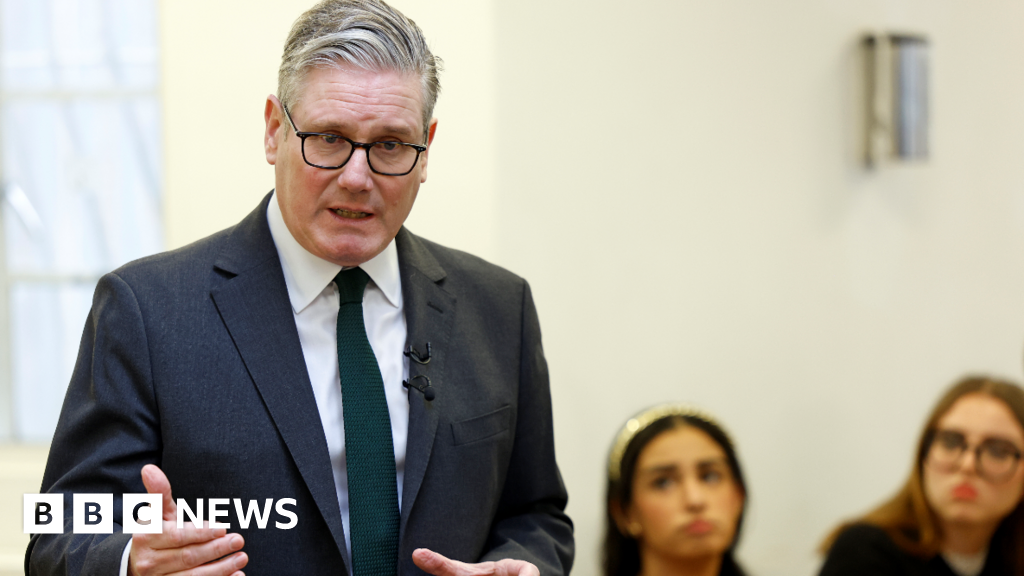
Sir Keir drew a direct comparison to the economic turbulence of 2022, when Russia’s full-scale invasion of Ukraine sent energy prices soaring to unprecedented levels, triggering a cost-of-living crisis that profoundly impacted household budgets and business viability. He contended that, due to lessons learned and strategic measures implemented since that time, the UK economy is now in a demonstrably "better place to withstand a shock to energy supply." This claim implicitly refers to efforts to diversify energy sources, strengthen strategic reserves, and enhance energy efficiency, though the specifics of these improvements remain a point of ongoing debate and scrutiny. The 2022 crisis necessitated massive government intervention, including the introduction of the Energy Price Guarantee and the Energy Bills Support Scheme, which collectively cost the taxpayer an estimated £44 billion, highlighting the sheer scale of previous economic shocks.
The current surge in global oil prices has been swift and dramatic, fuelled by intensifying fears that the burgeoning US-Israeli confrontation with Iran could lead to protracted and severe disruption to vital energy supplies. The Middle East, home to a significant portion of the world’s proven oil reserves and critical shipping lanes like the Strait of Hormuz, is inherently sensitive to geopolitical instability. Any threat to these supplies, whether real or perceived, instantly triggers a "geopolitical risk premium" on oil prices, making energy commodities more expensive globally. This immediate market reaction prompted the G7, the influential group comprising the world’s seven largest advanced economies – Canada, France, Germany, Italy, Japan, the United Kingdom, and the United States – to convene an emergency meeting. The urgency of their discussions centred not only on the immediate economic fallout but also on coordinated strategies to prevent a broader economic downturn.
Following the high-stakes G7 meeting, Chancellor Rachel Reeves addressed Members of Parliament in Westminster, offering a sober assessment of the economic landscape. She unequivocally stated, "The movements that we have already seen are likely to put upward pressure on inflation in the coming months." This acknowledgment sets the stage for potential challenges to the Bank of England’s efforts to bring inflation back to its 2% target, potentially delaying interest rate cuts that many economists and consumers are eagerly anticipating. Reeves further affirmed the UK’s readiness to participate in a "coordinated release" of the emergency stockpiles of oil reserves managed by the International Energy Agency (IEA). The IEA, an autonomous intergovernmental organization established in the wake of the 1973 oil crisis, requires its 31 member countries to hold oil stocks equivalent to at least 90 days of net imports. A coordinated release is a powerful tool designed to inject supply into the market and temper price spikes during severe disruptions, a measure last widely used in response to the Ukraine conflict.
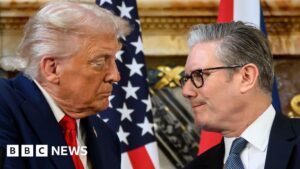
Adding another layer of complexity to the international response, former US President Donald Trump weighed in via a social media post, asserting that "Short term oil prices, which will drop rapidly when the destruction of the Iran nuclear threat is over, is a very small price to pay for U.S.A and World, Safety and Peace." Trump’s intervention, delivered with his characteristic bluntness, came amidst heightened tensions between Washington and London. The US President had been openly critical of Prime Minister Starmer, specifically for the UK’s refusal to allow the US to use British military bases for initial offensive strikes against Iran. This public disagreement underscored the nuances of the "special relationship" between the two allies, particularly during a period of active conflict.
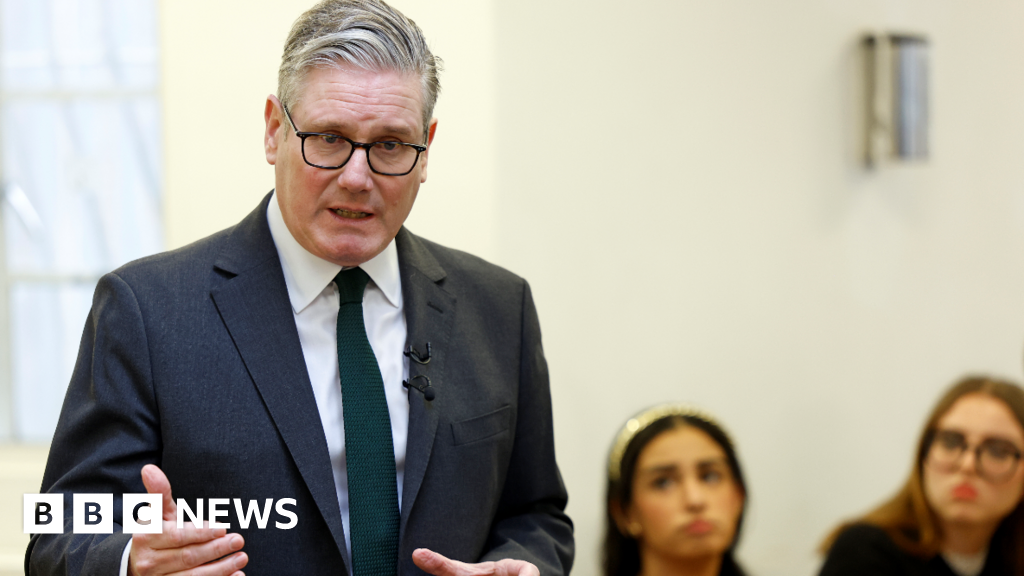
On Monday, Sir Keir addressed these diplomatic strains directly, stating that the two countries were "working together as they always have" but firmly adding that "decisions about what is in Britain’s best interest are decisions for the prime minister of Britain." This assertion served to reaffirm the UK’s sovereign decision-making power, even in the face of pressure from its closest ally. The previous Sunday had seen the two leaders hold their first phone call since the conflict’s inception, with Downing Street confirming that discussions focused on the deteriorating situation in the Middle East and ongoing military cooperation. However, the Prime Minister’s spokesman pointedly declined to comment on whether Trump’s earlier criticisms of Sir Keir had been raised during the conversation, a silence that speaks volumes about the delicate diplomatic tightrope being walked.
The immediate impact on the UK’s energy market was palpable. On Monday, the benchmark UK gas prices, measured in pence per therm, surged to 158p. While this represents a sharp increase from the 80p recorded just two weeks prior, it remains significantly below the staggering levels of over 600p per therm witnessed during the peak of the Ukraine war four years ago. The previous Conservative government’s response to that crisis involved the aforementioned £44 billion package of energy bill support schemes, a measure that provided crucial relief but also placed immense strain on public finances.
The current Labour government has, thus far, refrained from committing to a similar, extensive package of support. During his community centre visit, the Prime Minister highlighted the existing energy price cap as a key protective mechanism for households against immediate price rises. Just last month, prior to the escalation of the Iranian conflict, the energy regulator Ofgem announced a welcome reduction in the energy price cap by approximately 7% from April, promising lower energy bills for consumers in England, Wales, and Scotland. This cap means that households on a standard variable tariff will not experience a direct increase in their energy bills until at least July, when Ofgem is scheduled to set a new cap level based on wholesale prices.
However, this protection is not universal. Households reliant on heating oil, particularly prevalent in Northern Ireland and many rural areas across the UK, are far more exposed to the immediate volatility of global oil prices. Unlike gas and electricity, heating oil prices are not subject to the Ofgem price cap, meaning fluctuations are passed directly to consumers. The Consumer Council of Northern Ireland has already reported a stark reality: the average price of heating oil has soared by an alarming 81% in just one week, placing immense financial pressure on these vulnerable households.
Beyond direct energy costs, the conflict carries the potential for a cascade of inflationary pressures. Petrol pump prices are expected to rise swiftly, directly impacting commuters and logistics. More broadly, the cost of transporting goods and producing essential industrial chemicals, which are heavily energy-intensive, is set to increase. This, in turn, could lead to higher prices for a vast array of consumer goods, including food (due to increased costs for fertilisers, transportation, and processing) and manufactured products. Such a widespread inflationary wave could compel the Bank of England to maintain higher interest rates for longer, further squeezing mortgage holders and businesses reliant on borrowing.
Sir Keir reiterated his empathy with the public’s concerns: "I do understand the anxiety now, at nine days into this conflict, where a number of people will be saying ‘well, now is the situation going to get worse, and how’s it going to impact me and my family?’" He stressed that the government’s immediate focus is on "monitoring the risk, working with others to mitigate the risk." He concluded with a forward-looking commitment: "It is important to acknowledge that that work is needed, because people will sense… that the longer this goes on, the more likely the potential for an impact on our economy, impact into the lives and households of everybody and every business. And our job is to get ahead of that, to look around the corner, assess the risk, monitor the risks, and work with others in relation to that."
The opposition quickly seized upon the government’s response. Conservative leader Kemi Badenoch expressed her "worry" that the Prime Minister would be "slow" to act on the escalating cost of living crisis. She urged the government to commit to cutting fuel duty, a tax on petrol and diesel, which is currently expected to rise in September. Badenoch further outlined her party’s "cheap power plan," which controversially includes scrapping net-zero targets and increasing drilling for oil and gas in the North Sea, arguing these measures would bolster domestic energy security and lower costs, albeit with significant environmental implications. Meanwhile, Stephen Flynn, the SNP’s Westminster leader, called for immediate and decisive action, stating that the government "must intervene and deliver an emergency package of financial support to help families," particularly those in Scotland facing acute pressures. The political battle lines are clearly drawn, with the economic fallout of the Iran conflict set to become a defining issue in the coming months.


 George Anjay
 Nakalama John

 atisusanti