
 Roy Suryo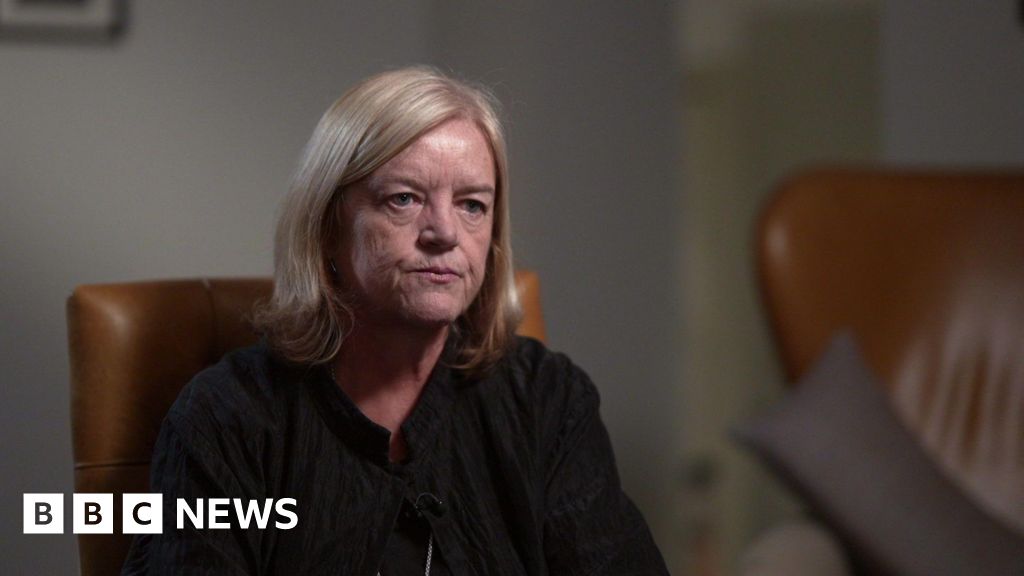
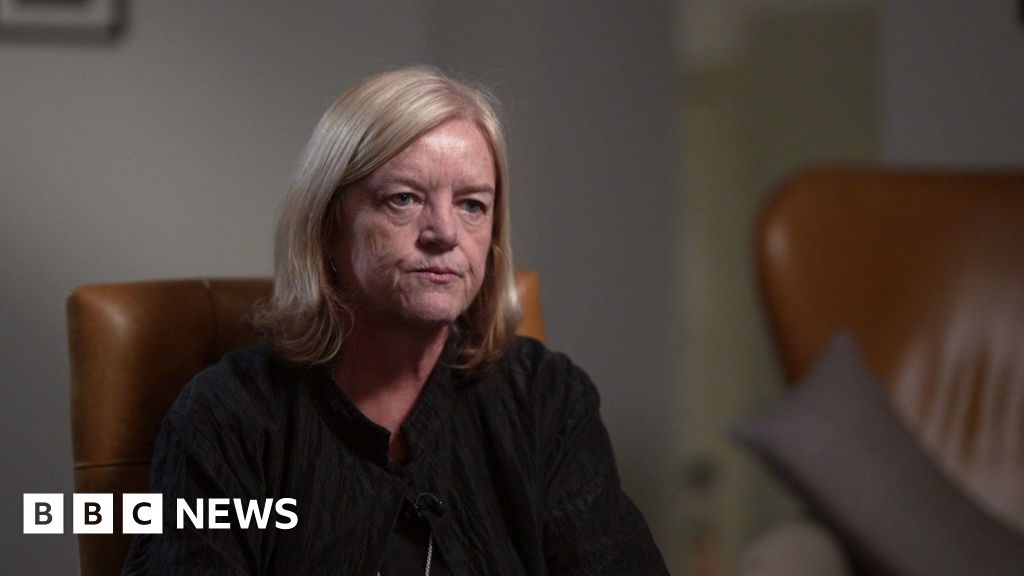
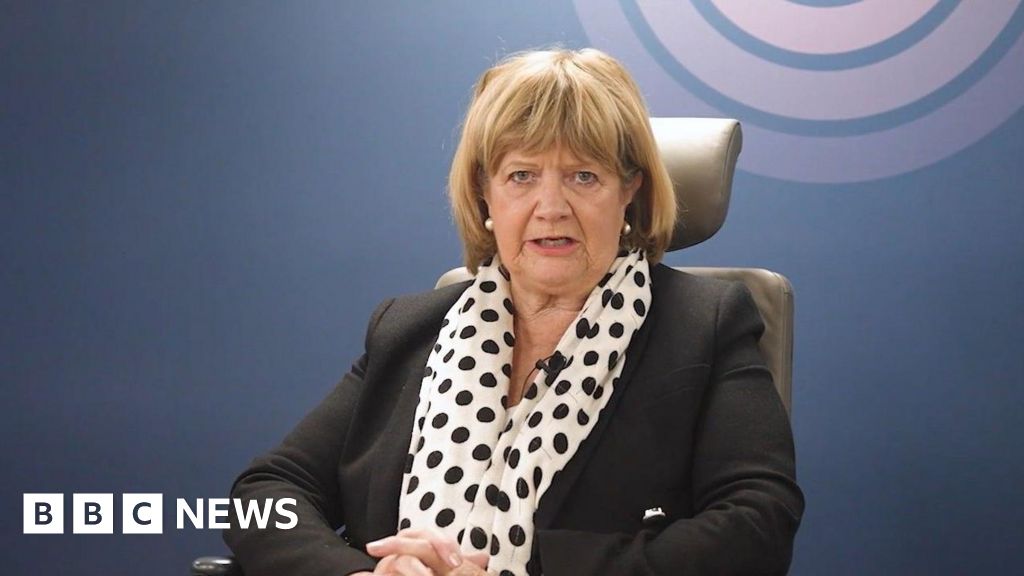
The United Kingdom is at a critical juncture, a "moment of reckoning," for its adult social care system, declared Baroness Louise Casey, chair of the independent commission tasked with reforming the sector. Speaking to the BBC and addressing health and social care professionals in Windsor, Baroness Casey painted a stark picture of a system that is "cobbled together, confusing, and fundamentally divided" between health and social care, ultimately failing those it is meant to serve.
"The care system that supports older and disabled people in England is a fragmented patchwork, offering inconsistent and often inadequate support," Baroness Casey stated. Her assessment, the first since her commission began its work last year, revealed a "deep and fundamental divide" that hinders effective care delivery. She emphasized that this division is not perceived by the public, who expect a seamless transition between health and social services, but rather an artificial construct of the system itself. This artificial barrier, she argued, means that decisions are made based on institutional boundaries rather than the best interests of patients and individuals.
Baroness Casey’s critique highlighted that in England, "some needs are barely met at all, and others are met late and in piecemeal and random ways." This haphazard approach to care leaves individuals and their families navigating a complex and often distressing landscape. A core element of this systemic weakness, she pointed out, is the national reliance on underpaying care workers, a practice that creates a significant imbalance of power between the NHS and council-run social care services. This imbalance, she argued, prioritizes the needs of institutions over the well-being of individuals.
The disparity in pay and conditions between healthcare professionals and care workers was a central theme of Baroness Casey’s address. She cited instances of two NHS hospital trusts attempting to establish their own care services, only to find them financially unviable due to the significantly better remuneration and benefits offered to NHS staff compared to care staff. "We all know, including councils and the NHS, that we exploit the weakness of the care workforce," she admitted, underscoring the systemic exploitation that leaves many care workers earning less than the minimum wage and often unpaid for travel time or holidays.
The experiences of individuals seeking social care were described as "horrendous" by Baroness Casey. She warned that the UK is facing "seismic changes" akin to those that necessitated the landmark Beveridge report over 80 years ago, which laid the foundation for the welfare state and the NHS. The current system, she believes, is not equipped to handle the evolving demographic and societal needs of the 21st century.
To address these profound failings, Baroness Casey called for immediate government action and the implementation of her commission’s interim recommendations. These include the establishment of a national adult safeguarding board, the appointment of a full-time dementia tsar to champion the needs of those living with dementia, and the creation of a new fast-track passport system for individuals diagnosed with motor neurone disease (MND). This passport would streamline access to essential care and support, bypassing the often lengthy and convoluted assessment processes.
Baroness Casey stressed the urgency of these reforms, particularly for those with conditions like MND. "If we can’t look after people that get the diagnosis of motor neurone disease, which is one of the most brutal and predictable diseases, using this collective NHS and social care system, who can we look after?" she questioned, highlighting the system’s inability to adequately support even the most vulnerable. She also pointed out that families of individuals with dementia "bear the brunt" of inadequate support and information, further exacerbating the challenges faced by these households.
She reiterated the need for a comprehensive "stock-take" of the current adult social care system to ensure it effectively meets the needs of the present population. Furthermore, Baroness Casey advocated for cross-party support to enact the fundamental changes required, urging politicians to move beyond using the issue as a "political football." The current care system, she described, is fragile and deeply divided, with protracted discussions over funding responsibilities creating an anxiety-laden and confusing experience for those desperately needing support.
The independent commission, which commenced its work last summer, is currently examining the multifaceted problems plaguing the care system in England. Its ultimate goal is to produce a report this year that outlines a plan for a comprehensive National Care Service. However, a crucial phase of the commission’s work, focusing on the long-term funding of social care, is not scheduled to be released until 2028, a timeline Baroness Casey suggests is too protracted given the immediate crisis.
The Association of Directors of Adult Social Services (ADASS) welcomed Baroness Casey’s speech, stating it "shines a welcome light on adult social care – an issue that has been missing from our national debate for far too long." Similarly, the MND Association expressed its encouragement that Baroness Casey has recognized and recommended the urgent need for a fast-track passport for people with MND. "A third of people diagnosed with MND die within 12 months, and too often care and support are delivered far too late. People with a disease as devastating as MND should never have to fight to access the services they need," the charity stated, underscoring the life-or-death implications of delayed care.
Liberal Democrat Leader Ed Davey echoed Baroness Casey’s sentiments, affirming that she was "right to highlight how broken the care system is." However, he questioned the government’s perceived inaction and slow progress. "Starmer and Streeting have wasted a whole year with nothing to show for it," he asserted, adding, "We can’t let 2026 go the same way, while elderly people suffer and hospitals are filled with people waiting for care." This sentiment highlights the growing public and political pressure for tangible and immediate reforms in the social care sector, which Baroness Casey has so forcefully articulated.



 George Anjay
 atisusanti
 Nana Banana

 Ramos Leo