George Anjay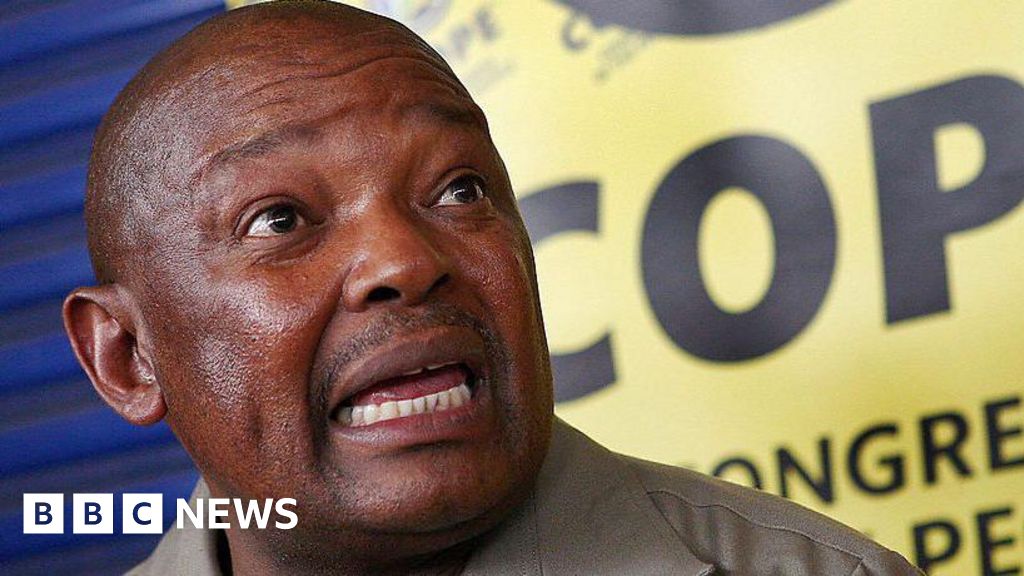
South Africa is mourning the loss of Mosiuoa Lekota, a towering figure in the nation’s political landscape, who passed away at the age of 77. Lekota, a veteran anti-apartheid activist, former Robben Island prisoner, and one of South Africa’s longest-serving ministers, died following a period of illness, as confirmed by his party, the Congress of the People (Cope). His passing marks the end of an era for a man who dedicated his life to the struggle for liberation and the subsequent building of a democratic South Africa.
President Cyril Ramaphosa led the tributes, eulogizing Lekota as a "patriot and freedom fighter" and a "servant of the people." Ramaphosa emphasized Lekota’s profound impact, stating, "His life was one of resilience, courage, and steadfast belief in justice." This sentiment was echoed across the political spectrum, acknowledging Lekota’s unwavering commitment to the principles he fought for.
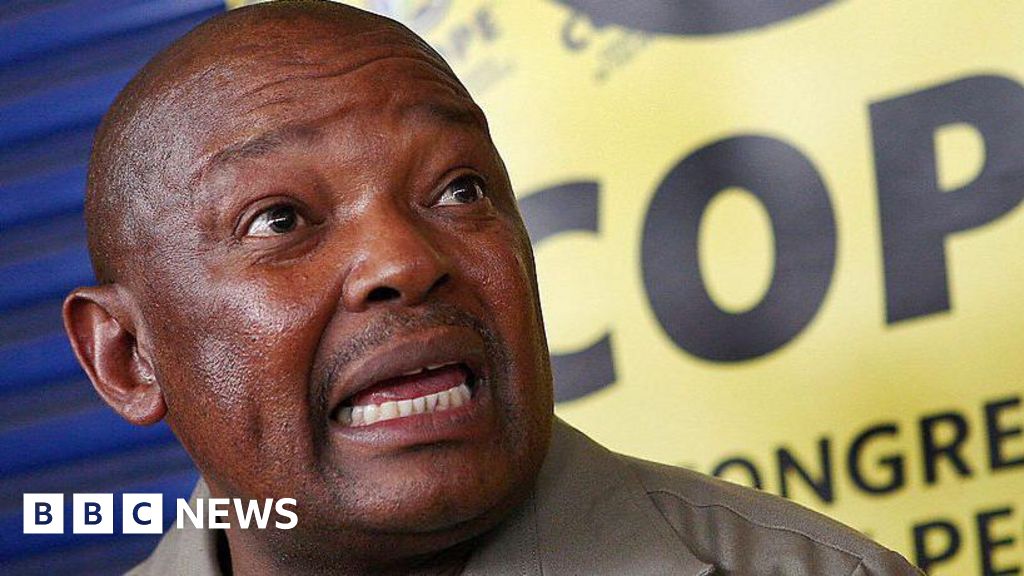
Lekota’s journey was inextricably linked to the fight against the brutal apartheid regime. His activism led to his imprisonment on the notorious Robben Island, where he shared confinement with future President Nelson Mandela. This shared experience forged deep bonds and a collective understanding of the sacrifices required to dismantle institutionalized racism. Upon his release and the dawn of democracy in 1994, Lekota emerged as a key figure in the newly formed government.
His political career post-apartheid was marked by significant leadership roles. He served as the chairperson of the African National Congress (ANC) for a decade, a testament to his influence within the ruling party. Furthermore, he was appointed as the first premier of the newly established Free State province, a crucial role in the nascent democratic administration. His tenure as Minister of Defence, spanning an impressive ten years from 1998 to 2008, solidified his reputation as a steadfast leader responsible for national security during a transformative period for the country.
Lekota, affectionately nicknamed "Terror" in his younger days for his prowess on the football field, was known for his sharp intellect and unyielding principles. His departure from the ANC in 2008 was a significant political event, signaling growing dissent within the party. This decision was reportedly fueled by disillusionment with the direction of governance and mounting allegations of corruption against some senior ANC leaders. Lekota’s departure was closely followed by that of former President Thabo Mbeki, highlighting a period of internal turbulence within the ANC.
In the wake of his departure from the ANC, Lekota, along with Mbhazima Shilowa, another prominent former ANC leader, co-founded the Congress of the People (Cope) in 2008. The party made a notable impact in its inaugural general elections the following year, securing 30 seats in Parliament. However, Cope’s electoral fortunes began to wane over time, largely attributed to internal leadership disputes between Lekota and Shilowa. By the 2024 general elections, the party failed to garner sufficient votes to retain any parliamentary representation, a stark contrast to its initial success.
Despite the challenges faced by Cope, Lekota remained a vocal advocate for good governance and accountability. His commitment to these ideals never wavered, even as his health declined. In August of the previous year, Lekota stepped back from public office due to his deteriorating health. His party at the time confirmed he was undergoing treatment for an undisclosed illness, a development that foreshadowed his eventual passing.
Mosiuoa Lekota’s legacy is that of a complex and influential political figure. He was a freedom fighter who endured the hardships of political imprisonment, a seasoned minister who served his country with dedication, and a politician who was not afraid to forge his own path when he felt his principles were compromised. His contributions to the anti-apartheid struggle and his subsequent role in shaping post-apartheid South Africa will undoubtedly be remembered and debated for years to come. His passing leaves a void in the nation’s political discourse, prompting reflection on the sacrifices made for democracy and the ongoing pursuit of justice and good governance. The nation bids farewell to a true son of the soil, a man whose life was a testament to the enduring spirit of resistance and the pursuit of a better future for all South Africans. The image of him speaking at an event held by his party, as captured by AFP via Getty Images, serves as a poignant reminder of his continued engagement and leadership until his final days.


 atisusanti
 Nana Banana