
 Nana Banana
In a landmark acquisition marking its centenary, the Norfolk Wildlife Trust (NWT) has announced the purchase of 336 acres of land at Wood Norton, near its existing Foxley Wood site, to establish a significant new nature reserve. The £4.6 million investment represents a pivotal moment in the Trust’s history, propelling its mission from primarily preserving existing habitats to actively restoring and creating new ones on a large scale. This ambitious project, made possible in part by a substantial £3.8 million grant from the Natural England Nutrient Mitigation Scheme, underscores NWT’s commitment to addressing the urgent challenges facing biodiversity and ecological health in Norfolk and beyond.
The acquisition at Wood Norton is set to become one of the most ambitious habitat creation projects in the Trust’s century-long existence. Predominantly arable land, the site offers a blank canvas for transformative ecological restoration. The vision for Wood Norton includes the establishment of diverse habitats designed to support a wide array of native species. Plans are expected to involve extensive tree planting to create new woodlands, the restoration and creation of wildflower-rich meadows, and the development of wetland areas, including ponds and scrapes, crucial for amphibians, aquatic insects, and wading birds. These efforts will not only enhance local biodiversity but also contribute significantly to carbon sequestration and improved water quality within the region.
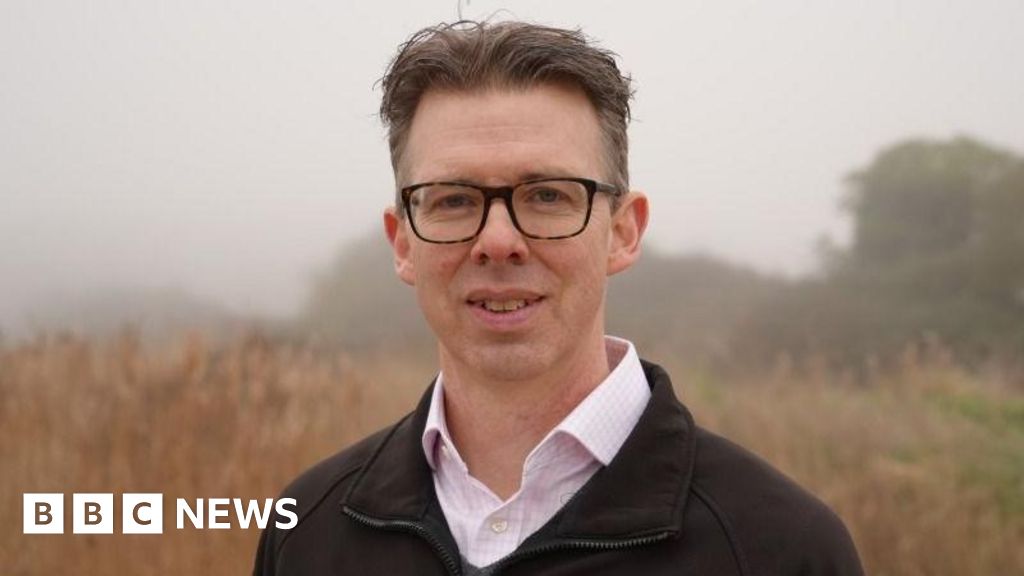
Eliot Lyne, Chief Executive of the Norfolk Wildlife Trust, articulated the profound significance of this venture, stating it was "one of the most significant habitat creation projects" in NWT’s history. He emphasised that while Norfolk has historically been "at the forefront" of modern nature conservation, the current ecological crisis demands a proactive approach beyond mere preservation. The Natural England Nutrient Mitigation Scheme, which provided the bulk of the funding, plays a critical role in this shift. This scheme allows developers to offset nutrient pollution from new housing and infrastructure by investing in nature-based solutions that remove or reduce excess nutrients, such as nitrogen and phosphorus, from watercourses. By converting arable land, which often contributes to nutrient runoff, into thriving natural habitats, NWT is directly contributing to cleaner rivers and healthier ecosystems, demonstrating how conservation can directly support sustainable development.
This momentous purchase arrives as the NWT celebrates 100 years since its founding by Dr. Sydney Long in 1926. Dr. Long’s initial visionary act was the purchase of 435 acres of marshland at Cley next the Sea, establishing what would become the very first wildlife trust in the UK. From this pioneering act, the NWT has grown into a formidable conservation force, now managing an impressive 5,500 hectares of nature reserves across Norfolk. This centenary is not just a moment for reflection on past achievements but a springboard for future action, with Wood Norton symbolising the next chapter in the Trust’s enduring legacy.
Lyne articulated the profound shift in conservation philosophy driving the NWT’s current strategy: "There are lots of challenges ahead. It’s not a secret nature is in trouble. We have done our bit over the last 100 years to preserve and protect these amazing sites and now what we need to do is restore and recover." This statement reflects a growing understanding within the conservation community that passive protection is no longer sufficient. Active intervention, landscape-scale restoration, and rewilding initiatives are paramount to reverse biodiversity decline. The NWT aims to foster "nature everywhere" – integrating wildlife-rich areas into the wider landscape, making them accessible, and ensuring that "people connect with nature." Lyne expressed confidence in the Trust’s ability to continue this vital work for "another 100 years," building on a century of expertise and public support. The Wood Norton project is a tangible manifestation of this forward-looking vision, creating new ecological corridors and expanding the network of resilient habitats across the county.
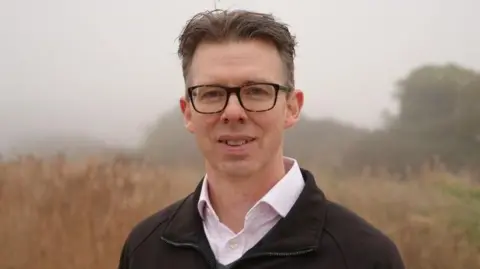
The story of the Norfolk Wildlife Trust is also a deeply personal one for many, none more so than Bernard Bishop, the assistant warden at Cley Marshes. Bernard represents a remarkable generational continuity, following in the footsteps of his great-grandfather and father at the very birthplace of the NWT. His family’s dedication to Cley spans the entire history of the reserve, a testament to the profound connection between people and place that underpins successful conservation. "One hundred years ago these marshes [at Cley] were purchased and my great-grandfather Robert Bishop was the keeper, or as they called it then, the watcher," Bernard recounted, his voice imbued with pride and a deep sense of heritage. Robert Bishop’s early role as the vigilant guardian of the newly established reserve laid the foundation for the meticulous care Cley has received for a century.
The tradition continued as Bernard’s father was appointed warden-cum-keeper in the 1930s following Robert’s retirement. Bernard himself joined the Trust officially in 1972 as his father’s assistant, learning the intricate rhythms of the marshes and the nuances of wildlife management firsthand. In 1979, he took over the reins, becoming the warden and continuing his family’s unbroken line of stewardship. His memories are a rich tapestry of Cley’s evolution, from its nascent days to its current status as a national treasure. He vividly recalled the more informal early days when his mother would hand out entry tickets, often accompanied by a comforting cup of tea or a slice of cake, and if she knew the visitors, they might even be invited for lunch. This paints a picture of a more intimate, community-focused approach to conservation, where visitors were welcomed almost as extended family members.
Bernard’s reminiscences extend to heartwarming anecdotes that highlight the unique character of Cley. One particularly cherished memory involves seeing his son, as a young boy, joyfully sliding down a slope on a fertilizer bag, a simple childhood pleasure shared, remarkably, with a young King Charles, who visited the reserve. This small, human detail underscores Cley’s enduring appeal and its role in connecting people from all walks of life with the natural world.
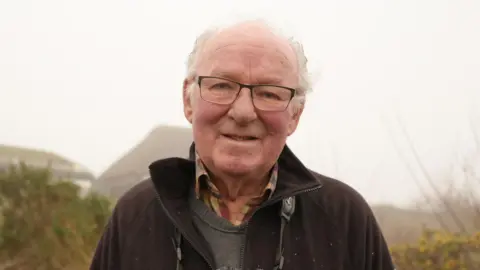
The transformation Bernard has witnessed over his 70-plus years at Cley is nothing short of astounding. "It’s unbelievable," he exclaimed. "Nobody will ever see the changes I’ve seen in the 70-plus years I have been here – going from a few visitors to 130,000 people visiting the centre and becoming probably, dare I say it, maybe the most famous nature reserve in the country." This dramatic increase in visitor numbers speaks volumes about the growing public appreciation for nature and the success of the NWT in making Cley a beacon for wildlife enthusiasts and casual visitors alike. Bernard attributes this incredible growth to the "foresight these people had. How did they see how it was going to become popular?" This question, rhetorical in its nature, celebrates the profound vision of Dr. Sydney Long and the early pioneers who believed in the inherent value of preserving wild spaces, even when their popularity was far from assured.
The purchase of Wood Norton, therefore, is not merely a transaction; it is a profound echo of that original foresight, a reaffirmation of the NWT’s founding principles applied to the challenges and opportunities of the 21st century. It represents a bold step towards a future where nature is not just protected in isolated pockets but thrives across broader landscapes, interconnected and resilient. By restoring arable land, the NWT is actively addressing the impacts of intensive agriculture, creating new homes for wildlife, and providing vital ecosystem services. This new reserve will serve as a living testament to the Trust’s adaptability and determination, ensuring that Norfolk remains a county where nature can flourish, benefiting both wildlife and the generations of people who will continue to cherish and connect with it for the next hundred years and beyond. The legacy of Dr. Sydney Long, Robert Bishop, and all who have championed Norfolk’s natural heritage continues to grow, promising a brighter, wilder future for the region.






 atisusanti

 George Anjay
