
 Nana Banana
The UK’s oldest wildlife trust, the Norfolk Wildlife Trust (NWT), is marking a momentous milestone in its history by opening its cherished sites to the public for three complimentary days, inviting everyone to connect with nature as part of its centenary celebrations. This generous gesture underscores a century of unwavering dedication to preserving Norfolk’s unique biodiversity and offers a chance for both long-time supporters and new visitors to experience the profound beauty and ecological importance of these protected landscapes. The initiative serves as a poignant reminder of the trust’s foundational vision and its enduring commitment to making nature accessible to all.
The NWT’s remarkable journey began in 1926, born from the visionary foresight of Dr. Sydney Long. A keen ornithologist and conservationist, Dr. Long recognized the critical need to safeguard vital habitats from encroaching development and exploitation. With an audacious act of pioneering conservation, he purchased 435 acres of pristine marshland at Cley next the Sea. His declared purpose was clear and resounding: to establish "a bird-breeding sanctuary for all time." This singular act was not merely a local transaction but a seminal moment that reverberated across the nation, laying the groundwork for what would eventually evolve into a nationwide network of county wildlife trusts, each dedicated to protecting local natural heritage.
Cley Marshes, the birthplace of this movement, has since flourished into an internationally recognized wetland reserve, a beacon of successful conservation. From its humble beginnings, it now draws an astonishing more than 100,000 visitors annually, testament to its ecological richness and the NWT’s diligent stewardship. This expansive coastal site, with its intricate network of reedbeds, saline lagoons, and grazing marshes, provides crucial breeding grounds and migratory stopovers for a vast array of bird species, including avocets, spoonbills, and various wildfowl. Its very existence, secured a century ago, is a powerful illustration of how targeted, long-term conservation efforts can transform landscapes and ensure the survival of countless species for generations to come.
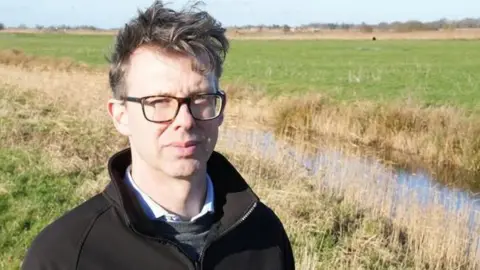
Eliot Lyne, the current Chief Executive of the Norfolk Wildlife Trust, articulates the profound significance of this centenary. "It is a great honour to be at the helm of such a landmark organisation for UK nature conservation as it reaches this special milestone," he remarked, reflecting on the trust’s enduring legacy. Lyne emphasizes the groundbreaking nature of Dr. Long’s initial purchase: "It’s incredible to think that the UK-wide country wildlife trust movement began with the purchase of Cley Marshes a century ago." This pioneering spirit, he notes, has permeated the trust’s work for the past hundred years.
Lyne elaborated on the achievements of the past century, highlighting the wealth of knowledge and practical experience accumulated by the trust. "Following 100 years of wildlife conservation in Norfolk, we have achieved so much – and honed the skills and experience to secure a wilder, healthier and more prosperous Norfolk into the next century." This extensive expertise now forms the bedrock for future conservation strategies, enabling the NWT to tackle contemporary environmental challenges with confidence and innovation.
However, the path ahead is not without its formidable obstacles. Lyne soberly acknowledges the persistent threats facing Norfolk’s delicate ecosystems: "However, Norfolk’s nature still faces huge threats." These threats are multifaceted, ranging from habitat fragmentation and loss due to agricultural intensification and urban expansion, to the escalating impacts of climate change, including rising sea levels, increased frequency of extreme weather events, and shifts in species distribution. Pollution, particularly from agricultural run-off and plastic waste, also continues to degrade natural environments. In the face of these challenges, the NWT is not content to rest on its past achievements. "That’s why we are raising our ambitions and looking forward to the next 100 years with hope," Lyne declared, signaling a renewed commitment to proactive and ambitious conservation. This forward-looking vision includes expanding nature reserves, engaging in landscape-scale conservation projects, advocating for stronger environmental policies, and fostering deeper connections between people and nature across the county.
Attenborough’s special message
Adding a prestigious endorsement to the centenary celebrations, the renowned broadcaster and natural historian Sir David Attenborough extended his heartfelt congratulations. Coincidentally, NWT’s centenary year aligns with Attenborough’s own significant 100th birthday, making his message particularly resonant. In a special address to the NWT, he conveyed: "I send my most sincere congratulations on achieving your centenary." Attenborough’s words serve as a powerful testament to the Norfolk Wildlife Trust’s profound impact and its vital role in the broader global conservation movement, echoing his lifelong dedication to protecting the planet’s biodiversity.
Over its hundred-year history, the Norfolk Wildlife Trust has been instrumental in the recovery and re-establishment of numerous iconic species within the county, demonstrating the tangible success of dedicated conservation efforts. Among the most celebrated success stories is the return of the majestic crane. Once widespread, these magnificent birds had vanished from the UK landscape for centuries. Through meticulous wetland restoration, habitat creation, and careful monitoring by the NWT, cranes have successfully recolonized parts of Norfolk, their distinctive calls once again echoing across the broads and marshes.
Similarly, the elusive bittern, a master of camouflage, has seen its population rebound thanks to the NWT’s extensive work on reedbed management and creation. These shy heron relatives rely entirely on healthy, expansive reedbeds for breeding and foraging, and the trust’s efforts have provided them with the secure habitats they need to thrive. The vibrant purple emperor butterfly, a truly spectacular insect of ancient woodlands, has also benefited from the NWT’s conservation strategies, which involve careful management of woodland habitats to ensure the presence of sallow, its essential larval food plant.
Even the humble natterjack toad, a rare and specially protected amphibian, owes much to the NWT. These distinctive toads require very specific, shallow, sun-warmed pools on sandy heathland for breeding. The trust’s work has focused on creating and maintaining these unique habitats, preventing their disappearance and ensuring the survival of Norfolk’s natterjack populations. Beyond these flagship species, NWT also works tirelessly to protect a myriad of other wildlife, from otters and water voles to rare orchids and insects, all contributing to the rich tapestry of Norfolk’s natural heritage.
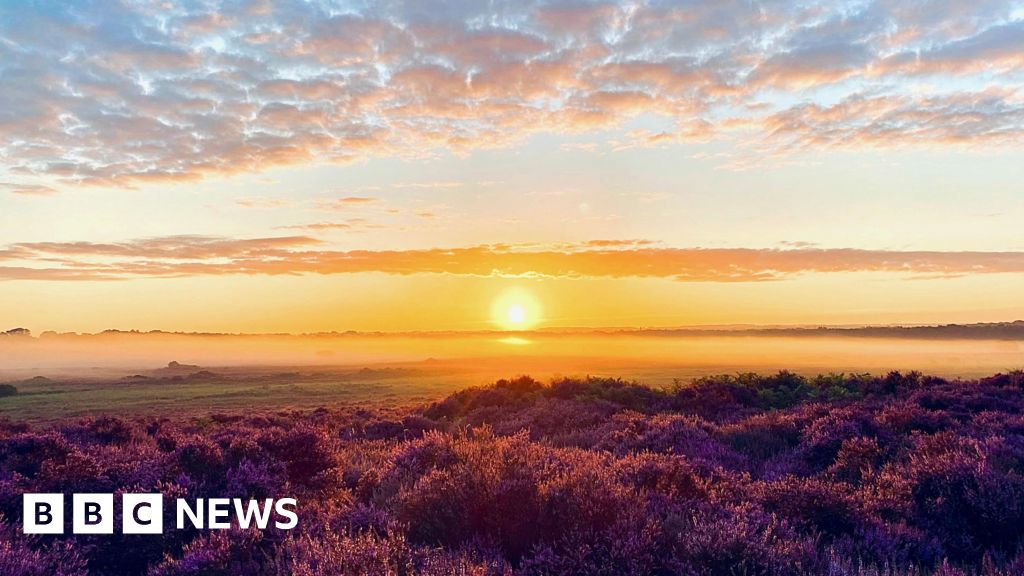
The trust’s portfolio extends beyond the famous Cley Marshes, encompassing a diverse range of habitats across Norfolk. One such example is Roydon Common, beautifully captured in the image of a sunrise over its landscape. Designated a Site of Special Scientific Interest (SSSI), Roydon Common is a crucial example of lowland heathland and mire, supporting a unique assemblage of plants and animals. Parts of this ancient landscape are known to have been continuously wild for an astonishing 6,000 years, offering a glimpse into Norfolk’s primeval past. The NWT’s management of sites like Roydon Common involves careful grazing regimes, scrub clearance, and hydrological management to maintain the delicate balance of these rare ecosystems, ensuring they continue to support specialist species that cannot thrive elsewhere.
The Norfolk Wildlife Trust’s enduring success is not solely attributed to land acquisition and habitat management; it is also deeply rooted in community engagement. Thousands of volunteers contribute their time and skills annually, from practical conservation tasks to assisting at visitor centres and monitoring wildlife. Education programs, guided walks, and family events further connect people of all ages with the natural world, fostering a sense of ownership and responsibility for local wildlife. This robust network of support, sustained by members, donors, and grant funding, is crucial for the trust’s ongoing work and its ability to respond to emerging conservation needs.
As the Norfolk Wildlife Trust embarks on its second century, it does so with a century of invaluable experience, a passionate team, and the continued support of its community. The "free weekend in nature" is more than just a celebration; it is an invitation to witness the profound impact of dedicated conservation and to join in the collective effort to ensure that Norfolk remains a haven for wildlife and a source of inspiration for generations to come. The hope articulated by Eliot Lyne is not merely an aspiration, but a strategic commitment to securing a wilder, healthier future for Norfolk’s irreplaceable natural world.





 George Anjay
 Ramos Leo
 Roy Suryo
 atisusanti
 Nakalama John