
 Nakalama John
Earlier in the day, a stark warning from President Trump had initially cast a shadow over energy security. In a pointed social media post, he threatened severe retaliation should Iran attempt to disrupt maritime traffic through the critical Strait of Hormuz. "If Iran does anything that stops the flow of Oil within the Strait of Hormuz, they will be hit by the United States of America TWENTY TIMES HARDER than they have been hit thus far," Trump wrote, reiterating the US commitment to protecting vital global shipping lanes. Such a strong statement, typically associated with escalating tensions, would ordinarily trigger an upward surge in oil prices, reflecting fears of supply disruption.
However, the market’s reaction was quickly recalibrated by subsequent comments from the President. During a news conference in Florida, Trump adopted a notably different tone, suggesting that the military "excursion" against Iran was nearing its end. "We took a little excursion because we felt we had to do that to get rid of some evil. Then, I think you’ll see it’s going to be a short-term excursion," he declared. This shift from a direct threat of overwhelming force to a characterization of the conflict as a brief, surgical operation immediately eased investor concerns about a prolonged and disruptive regional war. The implications for oil supply, previously viewed as dire, suddenly appeared less severe.
In morning trade across Asian markets, the impact was palpable and immediate. Brent crude, the international benchmark, plummeted by a significant 10% to $88.92 a barrel, marking a sharp reversal from its recent peak. Similarly, Nymex Light Sweet crude (also known as West Texas Intermediate or WTI), the US benchmark, mirrored the decline, falling 10.2% to $85.08. This sudden correction erased a substantial portion of the gains accrued over the preceding days, reflecting a rapid reassessment of geopolitical risk by traders and investors.
The preceding week had seen oil prices soar to almost $120 a barrel on Monday, driven by intense fears that the escalating US-Israeli military actions against Iran would lead to protracted disruptions in crude supplies from the Middle East. The initial airstrikes, launched just over a week ago, targeted various Iranian military facilities and proxies, ostensibly in response to perceived threats to US and Israeli interests in the region. These actions sparked widespread alarm regarding the stability of the world’s most critical oil-producing region, prompting a rapid influx of speculative capital into the oil market as traders hedged against potential supply shocks.
The relief stemming from Trump’s more conciliatory remarks also resonated across broader financial markets. Share prices in Asia, which had been battered in recent days by the specter of conflict, made significant gains. Japan’s Nikkei 225 index climbed 3.3%, while Hong Kong’s Hang Seng rose 1.7%, and South Korea’s Kospi surged an impressive 6.2%. This rebound underscored the market’s deep sensitivity to geopolitical stability, particularly in a region as economically interconnected as Asia. Investors had previously been grappling with concerns that prolonged disruptions in the Gulf, fueled by soaring oil prices, could trigger higher inflation, necessitating aggressive interest rate hikes by central banks and potentially stifling global economic growth.
At the heart of these geopolitical and economic anxieties lies the Strait of Hormuz. This narrow waterway, nestled between Iran and Oman, is an indispensable artery for global energy supplies. Around a fifth of the world’s total oil consumption, along with a significant portion of liquefied natural gas (LNG), transits through this strategic chokepoint daily. Any threat to its free passage, whether from direct military confrontation, mining, or blockades, has immediate and profound implications for global energy security and prices. Iran has, on several occasions in the past, threatened to close the Strait in response to international pressure or sanctions, underscoring its pivotal role in the region’s geopolitical leverage.
Despite the recent plunge, oil prices remain significantly elevated compared to pre-conflict levels. Brent crude, even after Tuesday’s decline, is still more than 20% higher than where it stood just over a week ago, before the US and Israel launched their initial airstrikes on Iran. This lingering premium reflects the inherent fragility of the situation and the understanding that while immediate de-escalation may be underway, the underlying tensions in the Middle East persist. The market’s memory of past disruptions and the potential for future flare-ups ensures a baseline of geopolitical risk remains factored into oil prices.
In response to the initial surge in oil prices and the threat to global energy stability, the Group of Seven (G7) nations convened an urgent meeting on Monday. Leaders of the world’s most industrialized economies, alongside representatives from the International Energy Agency (IEA), discussed potential measures to stabilize markets. The G7 nations collectively declared their readiness to take "necessary measures" to address the global supply of energy, signaling a coordinated international effort to prevent a full-blown energy crisis. While the meeting concluded without a final decision on whether to release oil from their strategic stockpiles, the matter was extensively debated, highlighting the seriousness with which world leaders viewed the escalating situation.
Strategic petroleum reserves (SPRs) are emergency crude oil inventories maintained by various countries, designed to cushion the impact of sudden supply disruptions. Their release can significantly boost global supply and temper price spikes. The prospect of a coordinated release from the IEA’s member countries, which collectively hold substantial reserves, offered a potential mechanism to inject millions of barrels of crude into the market, thereby mitigating the risk premium.
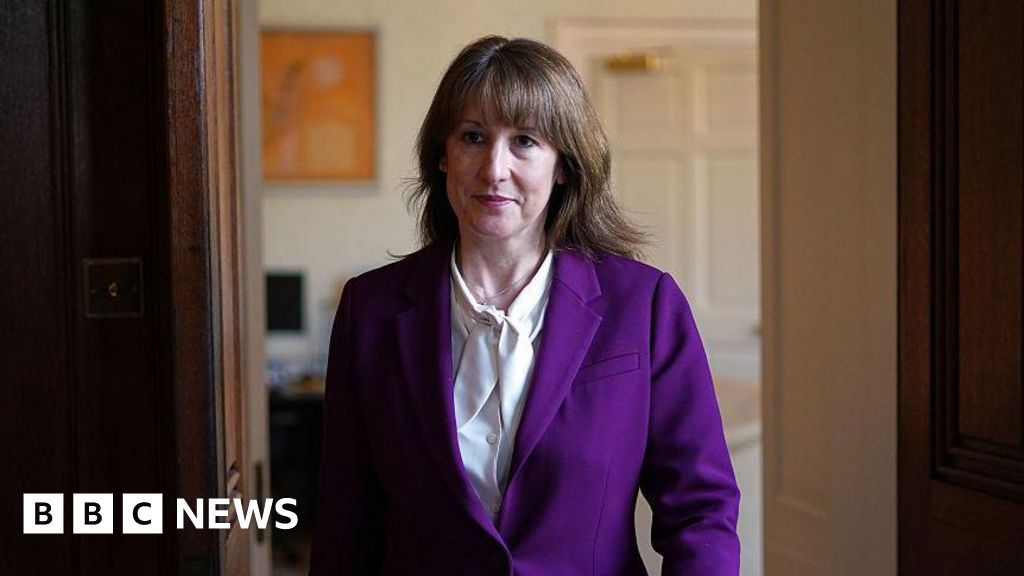
Among the voices advocating for a proactive approach was UK Chancellor Rachel Reeves. Speaking on Monday, she emphasized the UK’s position at the G7 meeting, urging for "immediate de-escalation" in the Middle East and advocating for guaranteed security for all commercial vessels operating in the region. Reeves reiterated the UK’s commitment to international cooperation, stating, "I stand ready to support a co-ordinated release of collective IEA oil reserves." Her comments underscored the global economic concerns associated with prolonged conflict and high energy prices, particularly for nations reliant on imported oil.
Energy analysts caution that while Trump’s latest remarks have provided temporary relief, the situation remains fluid and highly unpredictable. The "short-term excursion" narrative, while calming markets, offers little concrete detail about the path to a lasting resolution or the underlying political negotiations, if any, that might be taking place. The history of US-Iran relations is fraught with cycles of escalation and de-escalation, making long-term predictions challenging. The global economy, still grappling with post-pandemic recovery and inflationary pressures, remains highly vulnerable to renewed geopolitical shocks in the Middle East. The watching world will now be keenly observing for signs of genuine diplomatic breakthroughs or, conversely, any further actions that could reignite the "evil" that President Trump claimed to have addressed.





 Ramos Leo
 George Anjay
 atisusanti