
 atisusanti
Xbox confirms new console is coming – but can it revive the brand?
By Tom Richardson, BBC Newsbeat
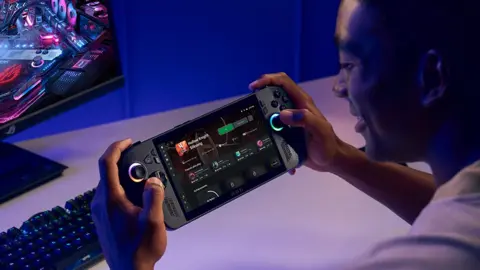
Microsoft’s Xbox division has officially confirmed that it is actively developing a new generation of gaming console, codenamed "Project Helix." This highly anticipated announcement signals a significant strategic shift for the gaming giant, aiming to reassert its dominance in a fiercely competitive market. The "next-generation" device is touted to "lead in performance," a crucial promise for hardware enthusiasts, and, in a notable departure from previous console generations, will seamlessly integrate the playing of both Xbox and PC games. This hybrid approach fuels speculation that Project Helix could be designed to bridge the gap between traditional console gaming and the ever-expanding PC gaming ecosystem, a move that has been rumored for some time.

The whispers of a new console have been circulating for months, amplified by Xbox’s recent decision to release some of its previously exclusive titles on rival platforms like PlayStation and Nintendo Switch. This strategy, while potentially broadening the reach of Xbox’s intellectual property, had understandably unsettled some of its most dedicated long-time fans who valued console exclusivity. The confirmation of Project Helix, however, suggests a renewed focus on dedicated Xbox hardware, albeit with an evolved vision.
Asha Sharma, Microsoft’s newly appointed gaming chief executive, framed the announcement as a cornerstone of the company’s "commitment to the return of Xbox" as a premier gaming brand. Sharma, who previously held key leadership roles overseeing AI initiatives at Microsoft, has taken the helm of the Xbox division with a mandate to revitalize its standing. Her leadership is expected to bring a fresh perspective to Xbox’s strategy, with a stated intention to place console hardware at the very heart of the company’s gaming endeavors.
While the confirmation of Project Helix has ignited excitement within the gaming community, the announcement was deliberately light on concrete details, leaving a plethora of questions unanswered. Despite the promising declaration of a powerful, next-generation machine, specifics regarding its internal specifications, processing capabilities, graphical power, or its physical design remain a closely guarded secret. Fans and industry analysts alike will be eagerly awaiting further revelations, which Xbox boss Sharma has indicated will be unveiled at the upcoming annual Game Developers Conference (GDC) in San Francisco. This prestigious industry event is a prime venue for hardware manufacturers and game developers to showcase their latest innovations, making it the logical stage for Xbox to pull back the curtain on Project Helix.
The journey to Project Helix has been a complex and at times tumultuous one for Xbox. The division has undertaken a series of ambitious acquisitions in recent years, bringing some of the industry’s most critically acclaimed publishers and developers under the Microsoft umbrella. This includes powerhouses like Bethesda, the studio behind the Fallout and The Elder Scrolls franchises, and Playground Games, the creators of the highly successful Forza Horizon series. These strategic acquisitions were intended to bolster Xbox’s first-party game development capabilities, ensuring a robust pipeline of exclusive titles.

However, the gaming landscape has been challenging, and Xbox, like many other major players in the video games industry, has also navigated periods of significant restructuring. This has involved multiple waves of layoffs, the cancellation of several high-profile projects, and the closure of popular development studios. These decisions, while often attributed to shifting market dynamics and strategic realignments, have unfortunately drawn criticism and sparked disappointment among fans who have developed strong attachments to these studios and their games.
In response to these market shifts and to provide a consistent revenue stream, Xbox has heavily leaned into its subscription service, Game Pass. This "Netflix-style" offering, also available on PC, allows players to access a vast library of new and back-catalog titles for a monthly fee. When first launched in 2017, Game Pass was lauded as "the best deal in gaming" for consumers, offering exceptional value. However, its success has also prompted discussions about its long-term profitability and its potential impact on the traditional model of purchasing full-priced software.
Despite these internal challenges, Xbox’s strategy of expanding its content reach has had an undeniable impact. In 2025, Microsoft, which also owns the immensely popular Minecraft franchise, emerged as the largest third-party publisher on both PlayStation and Nintendo consoles, a testament to the growing accessibility of its games across multiple platforms.
However, recent financial reports paint a less optimistic picture. A recent earnings report indicated a 9% decrease in overall gaming revenue and a substantial 32% drop in hardware revenue. Microsoft attributed these figures to a comparatively quieter slate of game releases over the preceding 12 months. The company is banking on a stronger performance in the coming year, with several highly anticipated titles, including the fantasy adventure game Fable, slated for release in 2026.
The future of Xbox hinges on its ability to effectively leverage its acquisitions, its subscription service, and, crucially, its upcoming hardware. While some enthusiasts have enthusiastically declared "Xbox is back" following the Project Helix announcement, industry observers remain cautiously optimistic. Games industry analyst Mat Piscatella noted in a post on Bluesky that Microsoft had been signaling its intentions for new hardware for "months," suggesting that the confirmation, while significant, was not entirely unexpected.
Under Sharma’s leadership, the company aims to reignite its core console business. In her initial statement upon assuming the role, she emphasized a "renewed commitment to Xbox," with hardware innovation positioned as a central pillar of the strategy. However, she also reiterated the company’s ongoing dedication to its "play anywhere" philosophy, underscoring the importance of making Xbox games accessible across a multitude of devices and platforms. This dual focus on dedicated hardware and broad platform availability presents a strategic balancing act.
Nathan Brown, former editor of Edge magazine and author of the Hit Points newsletter, has described the precise direction Sharma intends to steer the Xbox brand as a "mystery." He has, however, predicted a potentially "messy" year ahead as the company navigates its strategic recalibrations.
Amidst these strategic discussions, Xbox executive Matt Booty, who has been promoted to Sharma’s second-in-command, expressed confidence in the company’s future. He highlighted a "strong pipeline of established franchises, new bets we believe in, and clear player demand for what we are building." This statement suggests a belief within Xbox that its forthcoming game releases and hardware initiatives are well-positioned to meet player expectations and recapture market momentum. The success of Project Helix will undoubtedly be a critical factor in determining the long-term trajectory of the Xbox brand.







 George Anjay
 Nana Banana


 Ramos Leo