
 Nakalama John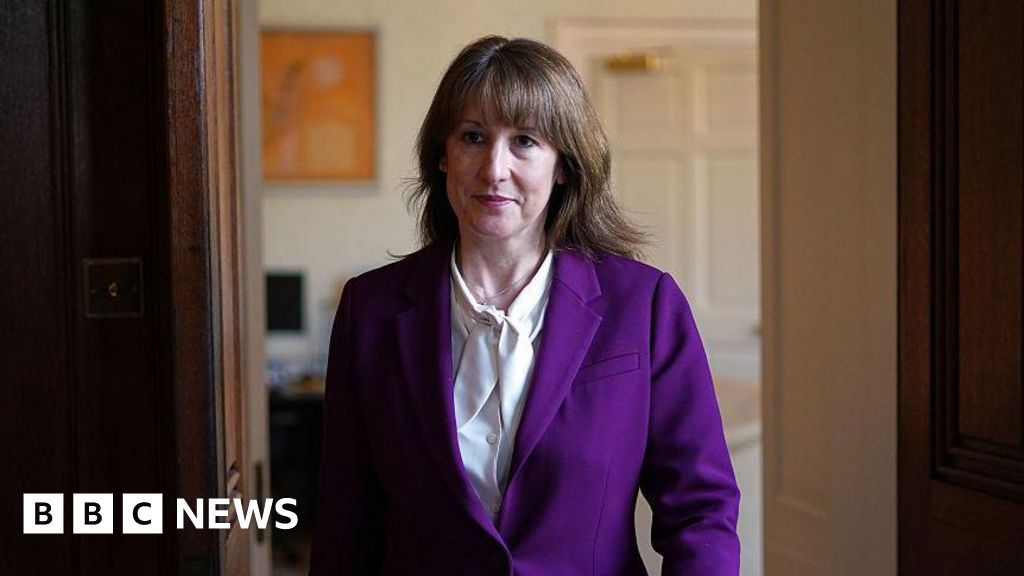
The conflict, which has raised fears of prolonged disruptions to critical oil supplies from the Middle East, saw the global oil price surge to nearly $120 a barrel on Monday. This alarming figure represents a four-year high, reflecting the market’s anxiety over potential supply constrictions in a region vital to global energy security. Analysts point to the significant risk of disruption to major shipping lanes, particularly the Strait of Hormuz, a chokepoint through which a substantial portion of the world’s oil transits. Any perceived threat to this route, or to the oil production capabilities of key Middle Eastern nations, immediately translates into price hikes on international markets.
Households reliant on heating oil are among the first to experience the immediate and severe financial implications of these rising prices. Unlike those connected to the national gas and electricity grids, whose bills are subject to the regulatory oversight of Ofgem’s price cap, heating oil users purchase their fuel in bulk from independent distributors. This direct exposure to volatile global commodity markets means that price fluctuations are felt almost instantaneously, often without any buffer or consumer protection mechanism.
In response to the growing alarm, Chancellor Reeves has initiated urgent consultations. She has committed to holding crucial meetings on Wednesday, bringing together officials from the Treasury with rural and Northern Ireland Members of Parliament. The explicit aim of these discussions is to identify and formulate "action we can take" to provide tangible support to those grappling with soaring heating oil costs. The focus on rural and Northern Ireland MPs underscores the disproportionate impact on these specific regions, where alternative heating sources are less prevalent.
The absence of a regulatory cap for heating oil is a critical differentiator that leaves these households particularly exposed. While Ofgem’s price cap aims to protect millions of gas and electricity customers from excessive charges by limiting the unit price suppliers can charge, no such mechanism exists for heating oil. This regulatory gap means that distributors are free to adjust prices in direct correlation with the wholesale market, passing on any increases directly to consumers, sometimes with minimal notice. This lack of protection creates a deeply unfair situation, where some households face significantly higher and more unpredictable heating costs purely due to their geographic location and energy infrastructure.
The severity of the situation has also drawn the attention of Energy Secretary Ed Miliband. On Monday, Miliband issued a stark warning to the chief executive of the UK and Ireland Fuel Distributors Association (UKIFDA), highlighting that the recent increase in heating oil prices has been "significant" and has understandably "caused concern among households and businesses." This intervention signals the government’s recognition of the widespread distress and the need for the industry to act responsibly amidst the crisis. The UKIFDA, representing a vast network of fuel distributors, plays a crucial role in the supply chain, and government engagement with them is vital for understanding market dynamics and potential solutions.
While heating oil is not the dominant heating source across the entire UK, its importance varies dramatically by region. According to a 2021 census, only a small minority—3% of households in England and Wales and 5% in Scotland—reported using oil as their sole source of central heating. These figures primarily represent homes in remote or rural areas where extending the national gas network is either impractical or cost-prohibitive. However, the picture changes dramatically in Northern Ireland, where almost two-thirds of homes are reliant on oil for heating. This represents by far the highest proportion among all UK nations, making the region uniquely vulnerable to oil price spikes.
The scale of the issue in Northern Ireland is considerable. Data from the Consumer Council indicates that approximately 500,000 homes in Northern Ireland utilise heating oil, a figure that dwarfs the roughly 284,000 homes that use natural gas. This stark disparity means that a significant majority of the population in Northern Ireland is directly exposed to the volatile global oil market, making the current crisis a matter of urgent national concern for the devolved administration and the UK government alike. The historical lack of extensive gas infrastructure in Northern Ireland, coupled with its largely rural landscape, has solidified its reliance on heating oil over decades, creating a structural vulnerability that is now being acutely felt.
The human impact of this crisis is vividly illustrated by personal accounts such as that of Fran Barrett. Living in a Cheshire village completely detached from the gas network, her community, like many others across the UK, is entirely dependent on heating oil. Barrett recounted the shocking speed and scale of price increases she experienced. She initially received a quote of £314 for 500 litres of oil. However, within a mere "two or three days" of the conflict’s onset, the price more than doubled, soaring to an unsustainable £653 for the same quantity. This abrupt and dramatic escalation underscores the immediate financial burden placed upon households with no alternative.
To cope with this unprecedented surge, Barrett, a teacher, has been forced to take drastic measures. With her oil tank only about a third full, she is meticulously conserving what remains, reserving it solely for hot water and completely switching off her central heating. This means enduring cold indoor temperatures, a difficult sacrifice that highlights the stark choices many families are being forced to make between warmth and other essential expenditures. Compounding her plight, as of Monday, Barrett was unable to secure a delivery from any supplier in her area, indicating not just a price problem, but a potential supply chain disruption or capacity issue, leaving her facing the prospect of running out of fuel entirely. Her story is a poignant example of the "unique challenges" that Chancellor Reeves has acknowledged.
Addressing MPs, Reeves reiterated her commitment, stating: "I recognise that households who use heating oil face unique challenges, and so I have asked the Financial Secretary to the Treasury to lead discussions with officials and with rural and Northern Irish MPs to explore further action that we can take." This statement signals a serious intent from the Treasury to find actionable solutions, moving beyond mere recognition of the problem to concrete policy development. The involvement of the Financial Secretary underscores the cross-governmental effort and the technical financial considerations that will be involved in devising effective support mechanisms.
Adding another layer of scrutiny, the Competition and Markets Authority (CMA) has also issued a stern warning regarding the potential for exploitation within the heating oil market. The watchdog explicitly cautioned that the war was "putting pressure on heating oil prices," creating an environment ripe for unfair practices. Emma Cochraine, the acting executive director for consumer protection at the CMA, specifically warned suppliers against "profiteering" by hiking the price of heating oil, particularly for those who have already placed orders at a lower rate. Profiteering in this context could involve a range of unethical practices, from unfairly cancelling existing orders to significantly inflating prices beyond what can be justified by wholesale cost increases, or even colluding with other suppliers to keep prices artificially high.
Cochraine’s message was unequivocal: "We won’t hesitate to take action if we suspect that consumer or competition law is being broken." This robust stance from the CMA serves as a critical deterrent against unscrupulous practices, assuring consumers that their interests are being actively protected. In line with this, Chancellor Reeves confirmed on Monday that she has specifically asked the CMA to "be vigilant across prices including essentials like road fuel and heating oil." This broad mandate empowers the CMA to monitor market behaviour across various critical sectors, ensuring that the current crisis does not become an opportunity for unlawful exploitation at the expense of struggling households and businesses. The combination of government policy development and regulatory oversight is crucial in navigating this complex and challenging period for heating oil users.





 George Anjay
 atisusanti

 Ramos Leo