atisusanti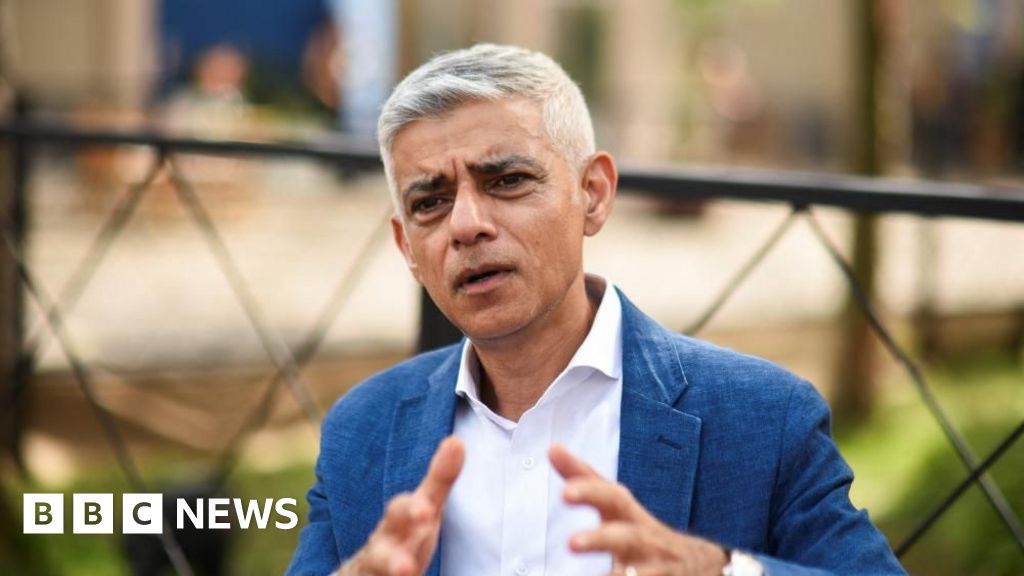
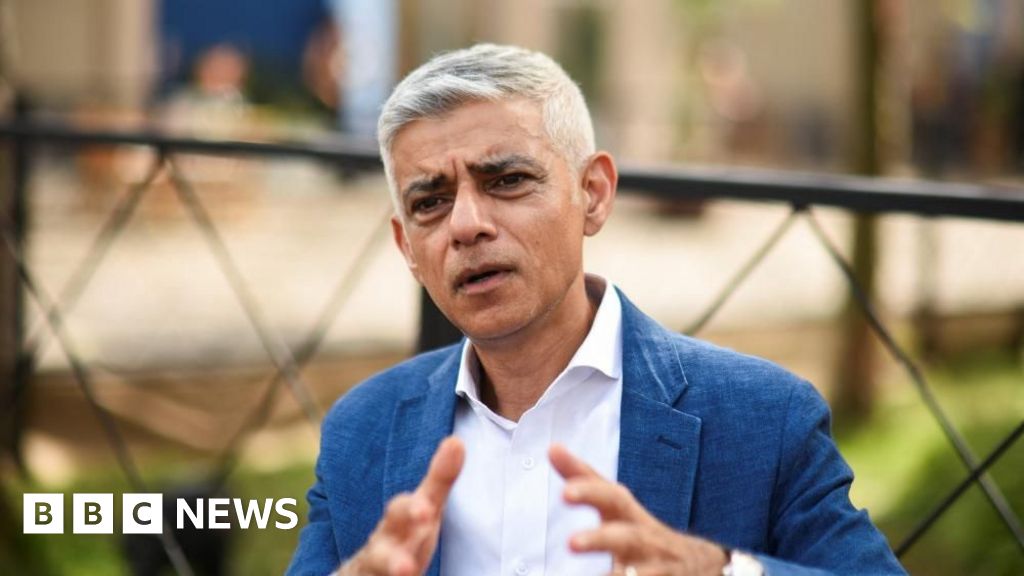
The controversy stems from Anthropic’s refusal to grant US defense agencies unfettered access to its AI tools, particularly its sophisticated Claude model. Anthropic CEO Dario Amodei has expressed profound concerns about the potential misuse of its technology for mass domestic surveillance or autonomous military targeting, ethical red lines the company is unwilling to cross. In a strongly worded letter to Amodei, Sir Sadiq Khan articulated his dismay at what he perceives as an attempt to "intimidate and punish Anthropic for refusing to remove ethical safeguards." He further announced that Anthropic plans to challenge the Pentagon’s designation in court, signaling a firm stance against the US government’s actions.
A White House spokesperson, in response to inquiries from the BBC regarding Mayor Khan’s overture, stated: "As President Trump said, we will never allow a radical left, woke company to dictate how our United States Military fights wars." This statement underscores the deeply polarized political climate surrounding AI ethics and national security in the US. While the BBC has reached out to Anthropic for comment, a spokesperson for the Mayor’s office confirmed that discussions have been ongoing this week with "senior leaders" of the AI firm. These discussions are reportedly focused on how London can offer a more accommodating and supportive environment for Anthropic’s continued growth and development.
The core of the dispute lies in the differing interpretations of how advanced AI should be deployed in sensitive national security contexts. In his discussions with US Secretary of Defense Pete Hegseth, Amodei specifically raised objections to the potential application of Anthropic’s Claude model in scenarios involving widespread domestic surveillance or the autonomous selection of military targets. The Pentagon, on the other hand, maintains that the military must have the capability to utilize technology "for all lawful purposes," asserting that the feared applications are not only unlawful but also not part of their current operational plans. This fundamental disagreement over ethical boundaries and the scope of AI’s application has placed Anthropic in a precarious position within the US defense landscape.
The escalating tension culminated last week when US President Donald Trump declared his intention to direct every federal agency to immediately cease using technology developed by Anthropic. This sweeping directive highlights the administration’s firm stance and willingness to leverage economic and governmental power to compel compliance from AI companies. Mayor Khan, in his letter, lauded Amodei’s "steadfastness in the face of such pressure" and explicitly invited discussions on how London could "support you to expand operations further." He emphasized that London possesses the potential to serve as "an even more significant location and platform for the future of Anthropic," positioning the UK capital as a strategic alternative to the increasingly hostile US environment.
Sir Sadiq’s proactive engagement could prove pivotal in reshaping Anthropic’s global operational strategy. By offering a clear and welcoming alternative, London aims to attract a leading AI innovator and bolster its own burgeoning tech sector. This move could also serve to highlight London’s commitment to fostering AI development within an ethical framework, potentially attracting other AI companies wary of stringent governmental controls or politically motivated actions.
The deterioration of Anthropic’s relationship with the US government was further underscored by the pronouncements of Under Secretary of Defense Emil Michael. On Thursday, Michael announced that negotiations between Anthropic and the Department of Defense were definitively off, stating, "I want to end all speculation: there is no active [Department of War] negotiation with [Anthropic]." It is important to note that the "Department of War" is a moniker sometimes used by Trump to refer to the Department of Defense. This explicit termination of talks signifies a significant blow to Anthropic’s hopes of securing a lucrative defense contract and deepens the rift with the US military apparatus.
The Pentagon’s designation of Anthropic as a "supply chain risk" is a notable development, marking the first instance of a US company receiving such a label. This classification signifies that the government deems Anthropic’s technology to be insufficiently secure for its use, a serious indictment for any technology firm. When the Pentagon initially signaled its intent to impose this designation, insiders at Anthropic harbored fears that it could have a ripple effect, impacting their business relationships with partners who also engage with the US government.
However, these fears, thus far, appear to be largely unsubstantiated in the broader commercial sphere. In a significant development on Thursday, technology giant Microsoft declared its intention to continue integrating Anthropic’s technology into its products for its clients. This commitment comes with a specific carve-out: the US Department of Defense will be excluded from this arrangement. A spokesperson for Microsoft conveyed to the BBC in a statement: "Our lawyers have studied the designation and have concluded that Anthropic products, including Claude, can remain available to our customers." This statement from Microsoft provides a crucial lifeline for Anthropic, demonstrating that while the US defense sector may be off-limits, its commercial partnerships remain robust. The company’s AI models, including the widely discussed Claude, will continue to be accessible to a broad range of clients, mitigating the immediate commercial fallout of the Pentagon’s decision. This resilience in the commercial sector, coupled with London’s welcoming stance, offers Anthropic a path forward despite the political headwinds in the United States. The strategic implications of this situation are far-reaching, as it highlights the growing tension between national security imperatives, ethical considerations in AI development, and the global competition for technological dominance. London’s bid to attract Anthropic represents a bold move to position itself as a leader in the ethical and innovative development of AI, potentially setting a precedent for how other nations engage with advanced AI firms navigating complex geopolitical landscapes. The future trajectory of Anthropic, and indeed the broader AI industry, may well be influenced by the choices made in the coming weeks and months, with London now a significant player in that unfolding narrative.





 George Anjay
 Ramos Leo
 Nakalama John