
 Nana Banana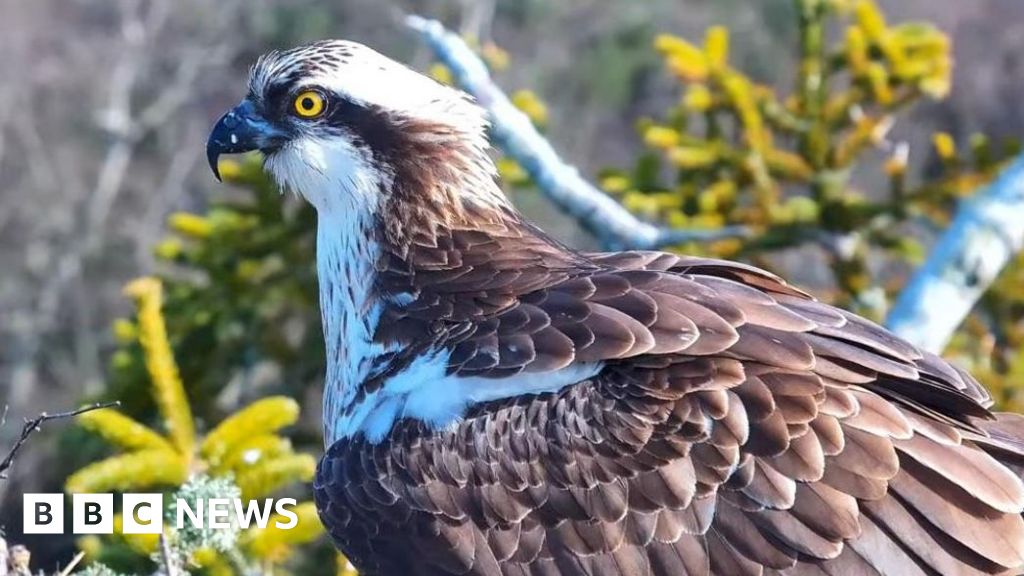
Conservationists across southern England are eagerly anticipating the late March return of the first pair of ospreys to successfully breed on the south coast in a remarkable 180 years. This eagerly awaited homecoming marks a pivotal moment for a ambitious reintroduction programme aiming to restore the majestic raptors to a landscape from which they were long absent. The pioneering pair, male osprey 022 and female CJ7, have established their vital nest at Careys Secret Garden near Wareham, Dorset, a location that has become a beacon of hope for wildlife enthusiasts since their first successful breeding season in 2022.
The story of the osprey (Pandion haliaetus) in England is one of dramatic decline and inspiring resurgence. Once widespread, these magnificent fish-eating birds of prey were driven to extinction in England by the mid-19th century, primarily due to relentless persecution by gamekeepers and collectors, coupled with significant habitat loss. For nearly two centuries, the sight of an osprey gracefully diving into southern English waters was relegated to history books. The reintroduction efforts, spearheaded by the Birds of Poole Harbour charity in partnership with various landowners and conservation bodies, commenced in 2017 with a clear vision: to re-establish a self-sustaining breeding population.
The reintroduction scheme involves a meticulous process known as ‘hacking’. Young osprey chicks, typically around six to eight weeks old, are carefully translocated from healthy populations in Scotland, where ospreys naturally recolonized in the 1950s. These chicks are then placed into artificial nests, or ‘hack boxes,’ at secure, secluded sites in Dorset. Here, they are fed and monitored by human carers, mimicking the parental feeding process, but with minimal human contact to prevent habituation. This allows the young birds to fledge naturally and learn to hunt in their new environment. Crucially, the aim is for these birds to imprint on the release area, returning to it as adults to breed after their first migratory journey to Africa.
Male osprey 022 and female CJ7 represent the triumph of this dedicated effort. CJ7, identifiable by her distinctive leg ring, was one of the initial chicks released as part of the reintroduction project, demonstrating the success of the hacking methodology. 022, also a product of the programme, found her at the chosen nest site, cementing their bond and establishing the first breeding pair. Their consistent return to the Careys Secret Garden nest, year after year, underscores the importance of stable, protected breeding grounds and the efficacy of the chosen release strategy. Their annual migration typically takes them to the warmer climes of western Africa, a perilous journey spanning thousands of miles across continents and oceans, only to return to their ancestral breeding grounds as spring unfolds in Dorset.
Their tenure at Careys Secret Garden has been remarkably productive. After their initial nesting in 2022, they achieved extraordinary breeding success, hatching four chicks in 2024 and another four in 2025. This level of productivity is considered "very unusual" and highly significant by Sam Ryde of the Birds of Poole Harbour charity, especially given the challenges of raising a large brood. Ospreys typically lay between two and four eggs, and successfully fledging all four chicks in consecutive seasons speaks volumes about the abundance of fish in Poole Harbour and the pair’s exceptional parenting skills. This consistent success provides a robust foundation for the burgeoning population.
Adding to the dynamic narrative of the Poole Harbour ospreys was a dramatic "love triangle" that developed at the main nest site in 2025. Another female osprey, drawn by the success and established territory, attempted to displace CJ7. This often-intense competition for prime nesting locations and mates is a natural, albeit sometimes harsh, aspect of avian life. However, CJ7, fiercely protective of her territory and her partner 022, successfully saw off her rival, demonstrating the strong bond and territorial dominance that has contributed to their remarkable breeding achievements. This incident further highlights the complex social dynamics at play within the re-establishing population.
The success of CJ7 and 022 has begun to ripple outwards. In 2025, the project celebrated another milestone with the successful nesting of a second pair of ospreys in southern England. The exact location of this second nest has been carefully kept secret by conservationists to minimise disturbance and ensure the birds’ privacy, a crucial measure for sensitive, newly established breeding sites. Looking ahead to 2026, there is considerable optimism that a third pair could establish themselves. This hope centres on a young male osprey, hatched in 2023 from the Careys Secret Garden nest, who has shown a keen interest in returning to the area now that he is reaching breeding age. His potential return and pairing would further solidify the expansion of the osprey population in the region.
However, the journey for these magnificent birds is fraught with danger, and the long-distance migration presents formidable challenges. Sam Ryde emphasises the harsh reality of their migratory life, noting that the return rate for young ospreys is only about 30%. This low figure underscores the immense perils faced during their arduous journey to and from western Africa. Young birds, lacking the experience of their elders, are particularly vulnerable. The threats are manifold: exhaustion from thousands of miles of flying, navigational errors that can lead them far out over the Atlantic Ocean, severe weather conditions, and starvation if suitable hunting grounds are not found along the way. Furthermore, they face predation from a variety of animals in their wintering grounds, including crocodiles and jackals, and sadly, in some parts of their migratory route, illegal hunting or accidental poisoning can also take a toll.
The lack of comprehensive tracking on all reintroduced ospreys means that the exact fate of many missing birds remains unknown. While some birds are ringed for identification, fitting every individual with a satellite tracker is prohibitively expensive and can sometimes pose logistical challenges for young birds. This means that while conservationists can celebrate the returns, the absence of others leaves many questions unanswered about the specific challenges faced by individual birds. This lack of data reinforces the understanding that every returning osprey is a testament to incredible resilience and a significant achievement for the reintroduction project.
Public engagement and education are vital components of the reintroduction project. To allow the public to witness this incredible conservation success without disturbing the birds, a dedicated nestcam has been installed at Careys Secret Garden, offering a unique, intimate glimpse into the lives of CJ7 and 022. Additionally, a viewing platform has been established, providing a safe and respectful distance from which visitors can observe the ospreys. This initiative not only raises awareness and fosters appreciation for these birds but also generates crucial support for conservation efforts. The decision to keep other nest sites secret reflects a commitment to protecting these vulnerable new breeding pairs from accidental disturbance or, in rare cases, intentional interference, ensuring they have the best possible chance to thrive.
The return of ospreys to southern England is more than just the story of one species; it’s a powerful symbol of ecological recovery and the success of dedicated conservation efforts. As apex predators in their aquatic environment, ospreys serve as an indicator species, their presence signifying a healthy, thriving ecosystem with abundant fish populations. The long-term vision of the Birds of Poole Harbour project is to establish a self-sustaining population of at least 50 breeding pairs in the region, transforming southern England into a stronghold for these magnificent raptors once again. This ambitious goal will require continued habitat protection, community engagement, and ongoing monitoring to overcome challenges posed by climate change, habitat pressure, and the inherent risks of migration. As spring approaches and the conservation community holds its breath, the return of 022, CJ7, and potentially new breeding pairs will mark another triumphant chapter in this remarkable tale of restoration.







 Ramos Leo
 Roy Suryo
 atisusanti
 Nakalama John