
 Ramos Leo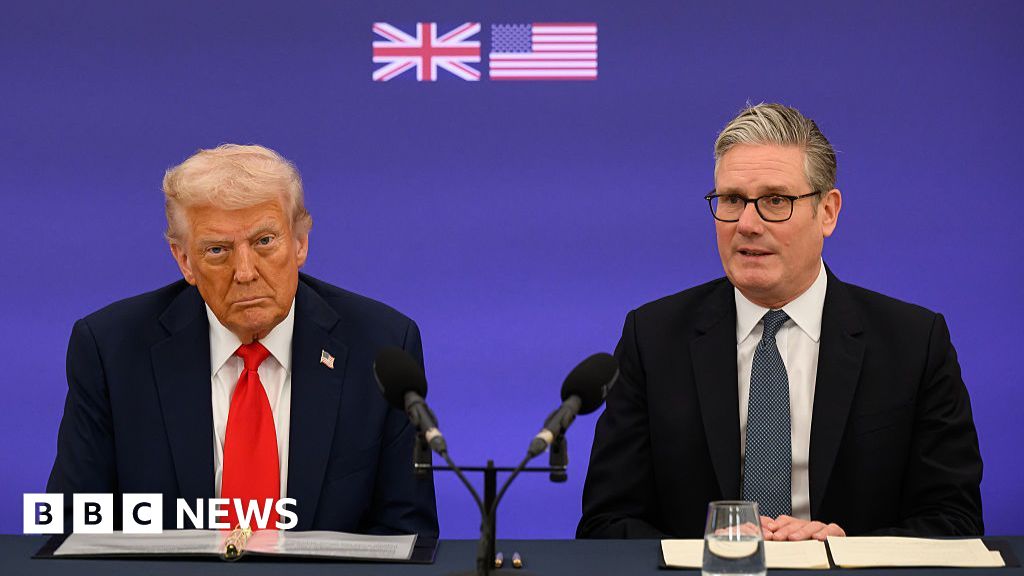
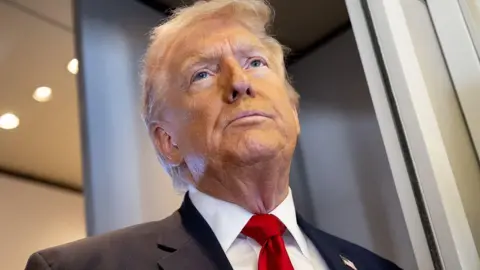
Trump’s latest broadside against a key ally was disseminated via his Truth Social platform on Saturday, where he claimed the UK was "giving serious thought" to deploying two aircraft carriers to the Middle East. He then unequivocally stated, "That’s OK, Prime Minister Starmer, we don’t need them any longer – But we will remember." The statement concluded with a pointed jab: "We don’t need people that join Wars after we’ve already won!" This direct challenge to British strategic autonomy and the perceived timing of its potential military contributions has sent ripples through diplomatic circles, although Downing Street has yet to issue an official response to the specific social media post.
The backdrop to Trump’s remarks is the UK’s recent decision to place one of its two aircraft carriers, HMS Prince of Wales, on advanced readiness. The Ministry of Defence (MoD) confirmed this move earlier on Saturday, stipulating that the crew must be ready to deploy within five days. While government sources have attempted to play down speculation that the carrier might be deployed to the volatile Middle East to support offensive operations, its heightened state of readiness signals a clear intent to protect British interests amid rising regional tensions. The UK’s other aircraft carrier, HMS Queen Elizabeth, is currently out of action for the foreseeable future due to maintenance issues, leaving HMS Prince of Wales as the sole operational flagship.
Trump’s accusation of the UK seeking to join "wars after we’ve already won" appears to reference the initial US and Israeli strikes against Iran, which he implied were conclusive successes. This perspective aligns with his "America First" foreign policy doctrine, which often prioritizes unilateral action and questions the value of traditional alliances if they do not immediately serve perceived American interests. His comments also followed reports of US bomber jets landing in the UK, indicating that British bases were already being utilized for what the US described as "specific defensive operations." This use of British territory for American military action in the region had already drawn controversy and scrutiny in the UK.
Speaking aboard Air Force One, Trump elaborated on his Truth Social post in response to a question about the use of UK bases. "We don’t need them," he reiterated, seemingly referring to the aircraft carriers. He added, with characteristic bluntness, "It’s not the right time. It would have been nice to have them two weeks ago." This sentiment underscores a perceived lack of timely support from the UK during the initial phase of the conflict, a point of contention that Trump has repeatedly voiced.
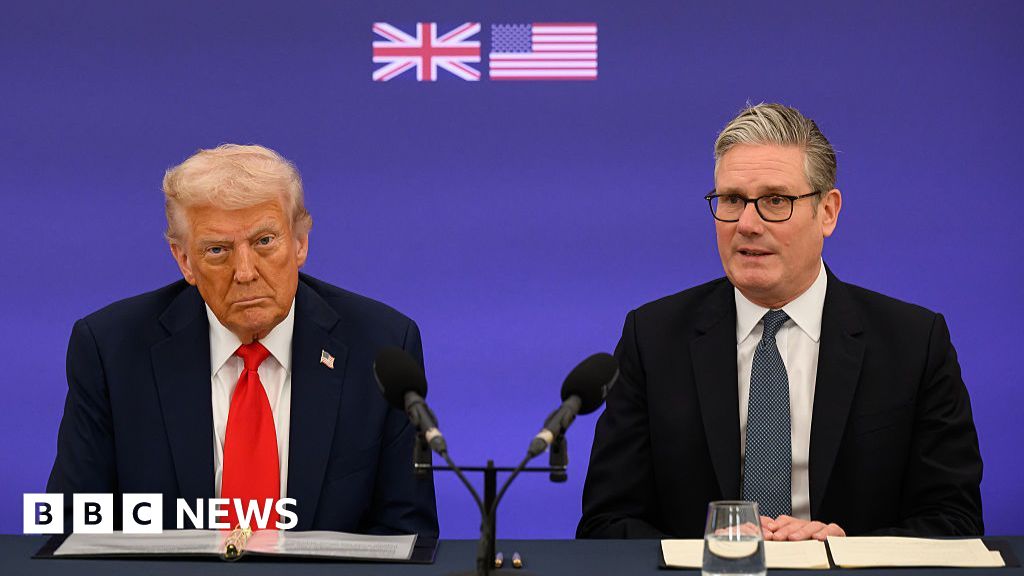
The UK government has steadfastly defended its initial decision not to participate in the joint US and Israeli offensive strikes on Iran. Prime Minister Sir Keir Starmer has consistently maintained that his priority is to judge "what is in Britain’s national interest" and has remained clear that the UK has "no interest in joining the wider offensive campaign in the Middle East." This stance reflects a cautious approach aimed at de-escalation and preventing a broader regional conflagration, a position that has evidently clashed with Trump’s more aggressive posture.
Earlier in the week, Starmer acknowledged the disagreement publicly, telling MPs: "President Trump has expressed his disagreement with our decision not to get involved in the initial strikes." While Sir Keir has not directly responded to Trump’s latest social media post, he used his column in the Sunday Mirror to articulate his government’s approach. He wrote that "at moments like this, the country needs seriousness, not political games," a subtle but clear jab at those, including perhaps Trump, who might be politicizing the crisis. He further asserted, "While opposition parties seek to undermine Britain on the world stage, my Labour government is focused on protecting British people at home and abroad."
Domestically, Starmer’s approach has faced criticism from the Conservative opposition. Kemi Badenoch, the Conservative leader, accused the prime minister of being "too afraid" to make decisive choices and of "sitting on the fence" regarding the Middle East conflict. Speaking at the Conservative Spring conference on Saturday, Badenoch declared, "we are in this war whether Keir Starmer likes it or not," advocating for a more assertive British role and criticizing what she perceives as Starmer’s hesitancy.
The diplomatic spat began after the UK initially refused to permit the US to use UK bases for its joint offensive with Israel against Iran. However, the situation evolved, leading Sir Keir to later approve "defensive" US action against Iranian missile sites from RAF Fairford in Gloucestershire and Diego Garcia in the Indian Ocean. Starmer clarified that this shift came after Iran’s "outrageous" response last Sunday changed the situation, posing "a threat to our people, our interests and our allies." He emphasized that the UK government "does not believe in regime change from the skies," signaling a distinction between defensive measures and a broader offensive strategy.
Further illustrating the UK’s heightened readiness, the crew of HMS Prince of Wales in Portsmouth received orders to be ready to depart in five days. This readiness has fueled internal speculation about a potential deployment to the Mediterranean, possibly to bolster British interests threatened during the escalating conflict. However, insiders within Sir Keir’s government have consistently played down the idea of the carrier joining offensive operations, suggesting any deployment would be for defensive or deterrence purposes.
Beyond the carriers, the UK has also committed to deploying a Royal Navy warship with advanced air defence capabilities. HMS Dragon is being dispatched to the Mediterranean to bolster security around the RAF base in Akrotiri, Cyprus, which has recently been targeted by drones. This deployment, expected to set sail next week, highlights the immediate threats faced by British assets in the region and the need for enhanced protection.
Trump reiterated his dissatisfaction with the timing of potential British military contributions in an interview with CBS News, the BBC’s US partner, on Saturday. "It’s a little bit late to be sending ships, right? A little bit late," he remarked. Pressed on whether US allies could do more to assist US operations in Iran, Trump dismissively stated, "I couldn’t care less. They can do whatever they want. The loyal ones are already in." This declaration further isolates the UK and suggests a profound re-evaluation of its role within the American alliance framework under a potential second Trump presidency.
Earlier in the week, Trump had voiced his displeasure more directly, telling journalists in the Oval Office that he was "not happy with the UK" over its initial decision to refuse the use of British bases. He claimed this refusal led to US planes "flying many extra hours" to carry out strikes last weekend. In a particularly pointed historical comparison, Trump also told reporters that Sir Keir is "no Winston Churchill," implying a lack of the wartime leadership and steadfast alliance that characterized the relationship between Churchill and the US during World War II.
Despite the public criticisms, Sir Keir Starmer has consistently maintained that the "special relationship" between the US and the UK remains robust. Speaking to reporters on Thursday, he insisted, "Look, the special relationship is in operation right now. We’re sharing intelligence on a 24/7 basis in the usual way. That is the special relationship." For many months, Starmer had pointed to his relationship with Trump as one of the significant successes of his premiership, a claim that now appears increasingly tenuous. This latest exchange is just the most recent example of President Trump’s open criticism towards the prime minister, clearly demonstrating that the former US leader remains angry about the UK’s initial reluctance to allow the use of British bases for the first wave of strikes against Iran.
Adding another layer to the complex debate, former Prime Minister Sir Tony Blair, who famously led the UK into the Iraq war alongside the US, weighed in during a private event. Blair asserted that the US was an "indispensable cornerstone" of the UK’s security and that allies should "show up" regardless of who holds the US presidency. His comments, steeped in the legacy of past interventions, serve as a reminder of the historical pressures on UK leaders to align with Washington, even as the geopolitical landscape and the nature of the "special relationship" continue to evolve under the shadow of a potential Trump return to power.





 Nana Banana
 George Anjay
 atisusanti
 Nakalama John