George Anjay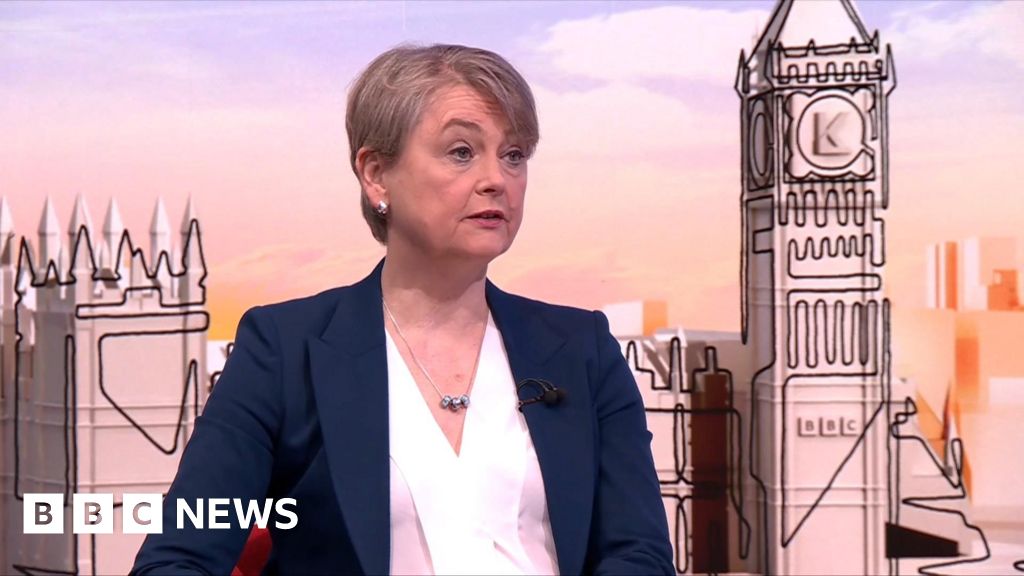
Cooper further elaborated on this principle, emphasizing the inherent responsibilities of the nation’s leader. "It’s the prime minister’s job to ‘take decisions in the UK’s national interest… not in the interest of any other country’," she declared, framing the UK’s foreign policy decisions as being solely dictated by what is deemed beneficial for Britain, irrespective of external pressure or the preferences of allied nations. This statement is particularly significant given Trump’s characteristic directness and his tendency to leverage social media for diplomatic pronouncements.
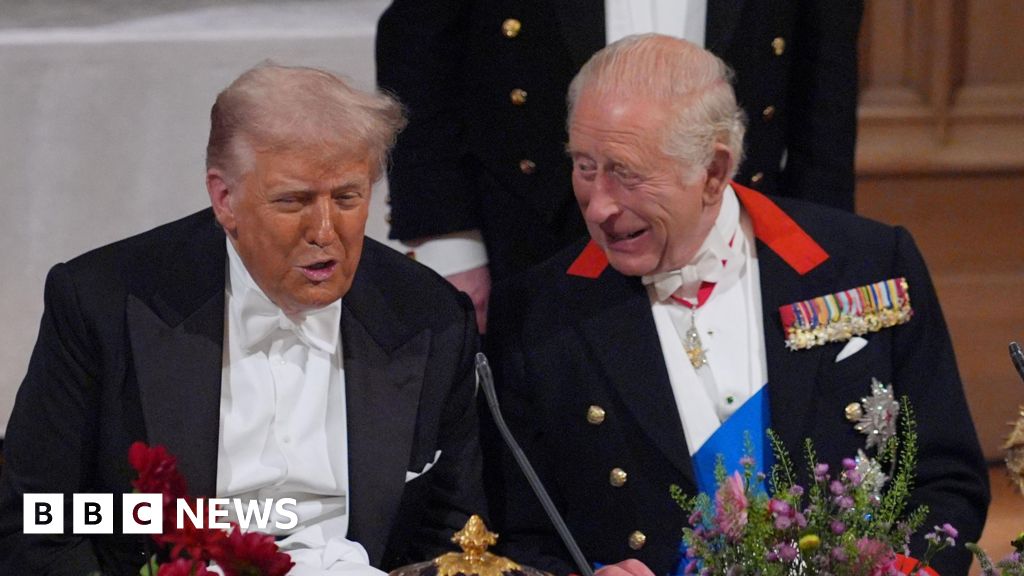
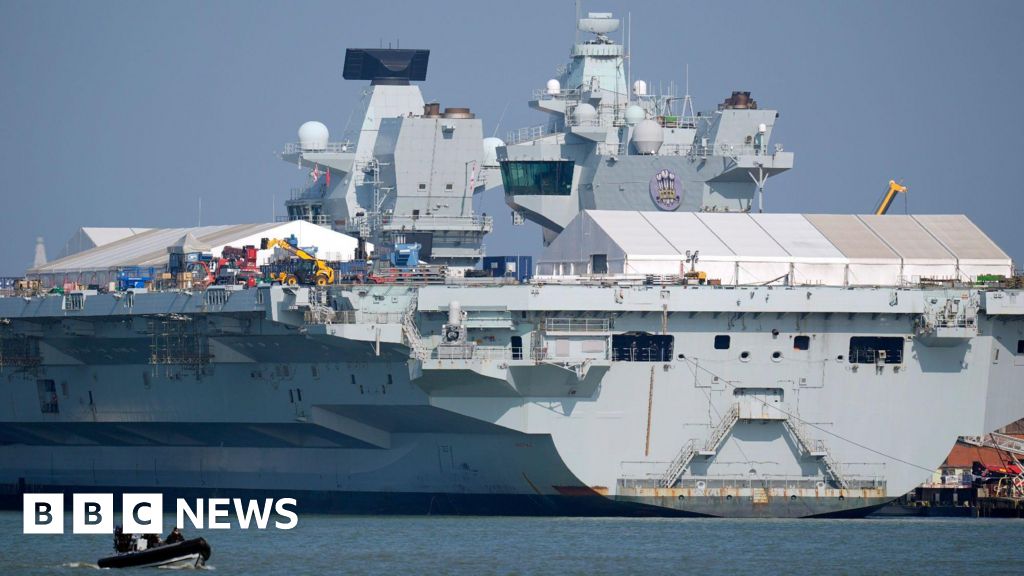
The context for Cooper’s remarks was a series of social media posts from the US President himself, wherein he had earlier commented on the UK’s potential military deployments. Trump’s pronouncements, disseminated via his preferred platform, suggested that the UK was contemplating the dispatch of aircraft carriers to the volatile region. However, his reaction to this reported contemplation was one of apparent dismissal and skepticism. He wrote, "We don’t need people that join Wars after we’ve already won!" This statement, with its implication of a belated and perhaps unnecessary involvement, clearly provoked a response from the Foreign Secretary.
The exchange highlights a recurring theme in the current geopolitical landscape: the tension between the established diplomatic norms of traditional allies and the more transactional, often impulsive, approach favored by the Trump administration. The UK, as a long-standing and significant global player, has consistently sought to maintain a measured and strategic foreign policy, often prioritizing multilateralism and de-escalation. President Trump, on the other hand, has frequently expressed a preference for unilateral action and a more assertive, often confrontational, stance.
Cooper’s measured but firm response serves to reassert the UK’s sovereignty and its right to independently assess and respond to international crises. The decision to deploy military assets, especially in a region as complex and sensitive as the Middle East, is a weighty one, requiring careful consideration of a multitude of factors, including intelligence assessments, potential geopolitical ramifications, and the safety of personnel. The UK’s operational planning and strategic thinking are not, and should not be, dictated by the pronouncements of foreign leaders, however influential they may be.
The mention of aircraft carriers suggests a potential commitment to a significant naval presence, a move that would typically be preceded by extensive deliberation and consultation within the UK’s defense and foreign policy apparatus. Such a deployment would signify a clear statement of intent and a willingness to engage directly in the region’s security dynamics. Trump’s dismissive remark, however, seems to frame this potential action as an opportunistic bandwagoning rather than a genuine contribution to regional stability.
This public disagreement, aired on a prominent BBC program, is more than just a minor diplomatic spat; it reflects deeper divergences in strategic outlook. While both the UK and the US are ostensibly allies, their interpretations of how to best achieve security and stability in the Middle East appear to be diverging. The UK has historically favored a more nuanced approach, often emphasizing diplomacy, economic sanctions, and multilateral engagement as primary tools, alongside military deterrence. The Trump administration, conversely, has often leaned towards a more assertive posture, characterized by a willingness to employ economic pressure and, at times, a more direct military response.
The specific reference to "joining wars after we’ve already won" is particularly loaded. It implies that the UK’s potential involvement would be seen as superfluous or even an attempt to claim credit or influence after the decisive moments of conflict have passed. This interpretation fundamentally misunderstands the nature of modern warfare and the complexities of protracted international crises, where securing lasting peace often requires sustained commitment and a multifaceted approach that extends beyond immediate military engagements.
Yvette Cooper’s statement, therefore, is not merely a defense of a specific military decision, but a broader affirmation of the UK’s right to an independent foreign policy, guided by its own national interests and strategic assessments. It is a reminder that while alliances are valuable, they do not equate to subservience. The UK government, under the Prime Minister’s leadership, is tasked with navigating a complex global environment, and its decisions must be rooted in a thorough understanding of the challenges and opportunities facing the nation.
The Foreign Secretary’s words also serve to reassure the British public that their government is acting with autonomy and with their best interests at heart. In an era of constant information flow and increasingly public diplomacy, it is crucial for political leaders to clearly articulate their nation’s positions and to push back against undue external influence. Cooper’s appearance on "Sunday with Laura Kuenssberg" provided a platform to do just that, reinforcing the UK’s commitment to a sovereign and independent foreign policy.
The implications of this public exchange extend beyond the immediate context of the Iran conflict. It signals a potential for continued friction in the broader UK-US relationship, particularly as the two nations grapple with shared global challenges that require coordinated action but may be approached with different philosophies. The UK’s ability to maintain its distinct foreign policy voice, even when it diverges from that of its closest ally, is a testament to its enduring role on the international stage.
In conclusion, Yvette Cooper’s assertion that the UK does not "agree with President Trump on every issue" is a clear and unambiguous statement of national sovereignty and independent foreign policy. It underscores the principle that decisions regarding the deployment of British forces and the nation’s engagement in international affairs are, and must be, guided by the UK’s own national interest, rather than the dictates or opinions of any other country, including its closest allies. This principled stance is vital for maintaining the UK’s credibility and its ability to act effectively in a complex and often unpredictable global landscape. The Foreign Secretary’s remarks serve as a timely reminder that while cooperation and alliance are cornerstones of international relations, they do not diminish a nation’s fundamental right to self-determination in matters of foreign policy and national security.




 Ramos Leo
 atisusanti
 Nakalama John