atisusanti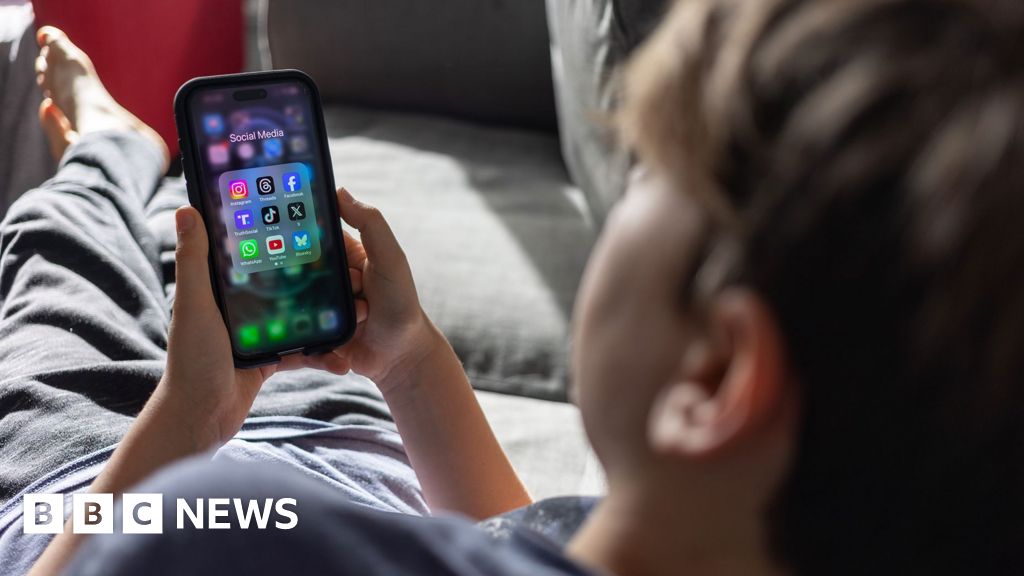
The UK government has officially launched a significant public consultation, inviting the nation to voice their opinions on a potential ban on social media for individuals under the age of 16. This landmark initiative seeks widespread input from young people, their parents, guardians, and a diverse range of stakeholders before any definitive decisions are made regarding this contentious proposal. The debate surrounding the appropriate age for social media engagement has intensified globally, significantly influenced by Australia’s recent decision to restrict access to popular platforms like Instagram, Snapchat, YouTube, and TikTok for children.
In a statement highlighting the government’s commitment to safeguarding young people in the digital age, Technology Secretary Liz Kendall emphasized the consultation’s crucial role in understanding how the younger generation can "thrive in an age of rapid technological change." Beyond exploring the possibility of an outright ban, the government is actively soliciting public views on a spectrum of less drastic interventions designed to mitigate potential harms associated with social media use. To provide robust, real-world evidence, the government also announced plans to conduct pilot programs testing various proposed interventions, aiming to assess their effectiveness in practice.
"The path to a good life is a great childhood, one full of love, learning, and play," stated Kendall, drawing a parallel between the offline and online worlds. "That applies just as much to the online world as it does to the real one." She further acknowledged the widespread parental concern regarding screen time, the timing of device provision, the nature of online content viewed by children, and the overall impact these factors have on their development. "This is why we’re asking children and parents to take part in this landmark consultation," she urged, underscoring the inclusive nature of this governmental initiative.
The government has extended an open invitation to "everyone with a view" to participate, encompassing parents, carers, young individuals, professionals working with children, civil society organizations, academics, and industry representatives. To ensure maximum accessibility and engagement, the consultation has been developed in multiple formats, with distinct versions tailored for young people and for parents and carers. Complementing the public consultation, an independent academic panel has been commissioned to rigorously assess the growing body of evidence related to the impact of social media on young people, drawing insights from international experiences, including Australia’s recent policy shift. The consultation period will conclude on May 26th, with the government committed to releasing its response in the summer.
The call for potential social media restrictions for under-16s in the UK resonates with broader concerns voiced by various experts and children’s charities, though there are differing opinions on the most effective course of action. Some prominent figures and organizations have expressed reservations about an outright ban, while others advocate for more stringent regulatory measures.
In a notable open letter addressed to the Prime Minister, Labour MPs collectively argued that "successive governments have done too little to protect young people from… unregulated, addictive social media platforms." This sentiment reflects a growing unease about the influence of these platforms on the well-being of the younger generation. Previously, Conservative leader Kemi Badenoch indicated that her party would consider implementing an under-16s social media ban if in power, signaling a cross-party interest in addressing the issue.
Liberal Democrat education spokeswoman Munira Wilson has been vocal in her support for swift action, stating there is "no time to waste in protecting our children from social media giants." She expressed concern that initiating a consultation might be perceived as a tactic to "kick the can down the road yet again," suggesting a preference for more immediate policy implementation.
The Molly Rose Foundation, a charity established in memory of Molly Russell, who tragically took her own life at the age of 14 after viewing harmful content online, has welcomed the consultation. The foundation views it as a "crucial opportunity to decisively strengthen online safety laws and stand up for children and families." Ian Russell, Molly’s father, recently shared his perspective with the BBC, advocating for the enforcement of existing laws rather than the adoption of "sledgehammer techniques like bans." He believes that stronger regulation and enforcement of current legislation could be more effective than a complete prohibition.
However, a segment of campaigners believes that a ban remains the most appropriate and necessary step. Ruth Moss, whose daughter Sophie died by suicide in 2014, shared her views on BBC Breakfast, highlighting that discussions about child online safety have been ongoing for "nearly a decade." She emphasized that the landscape has changed significantly, with a wealth of academic research now substantiating the detrimental effects of social media on young minds. "But we do now – so now is the time to act. It’s not another time for talking about it," she asserted, underscoring a sense of urgency.
Despite the arguments for a ban, several other prominent charities and campaign groups, including the NSPCC, have cautioned against a complete prohibition, fearing "unintended consequences." These organizations advocate for a more focused approach on strengthening the enforcement of existing child safety regulations. In a joint statement issued in February, they articulated that "It would create a false sense of safety that would see children – but also the threats to them – migrate to other areas online." This perspective suggests that a ban might merely shift the problem rather than solve it, potentially leading children to seek out less regulated online spaces.
Professor Sonia Livingstone, a leading social psychologist at the London School of Economics, echoed the sentiment that the ultimate goal should be improved safety measures from major technology companies, enabling children to express themselves and connect online freely and safely. "What everyone wants to see is better safety from Big Tech companies, and then children could express themselves and connect online as they want to," she stated.
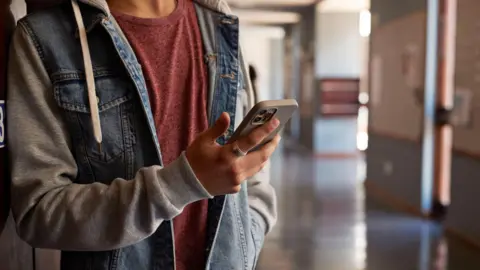
The scrutiny of social media platforms has intensified globally, with governments and regulators worldwide examining the profound effects of platform design and content on the mental health and well-being of children. This increased attention has led to regulatory actions in various jurisdictions. For instance, in February, the European Union formally notified TikTok that it must address its "addictive design" or face substantial fines. The Chinese-owned platform has stated its intention to challenge this decision, highlighting the ongoing tension between regulatory demands and the business models of major social media companies. The UK’s consultation represents another significant step in this global dialogue about protecting young people in an increasingly digital world.





 George Anjay
 Ramos Leo
 Nakalama John