
 Nana Banana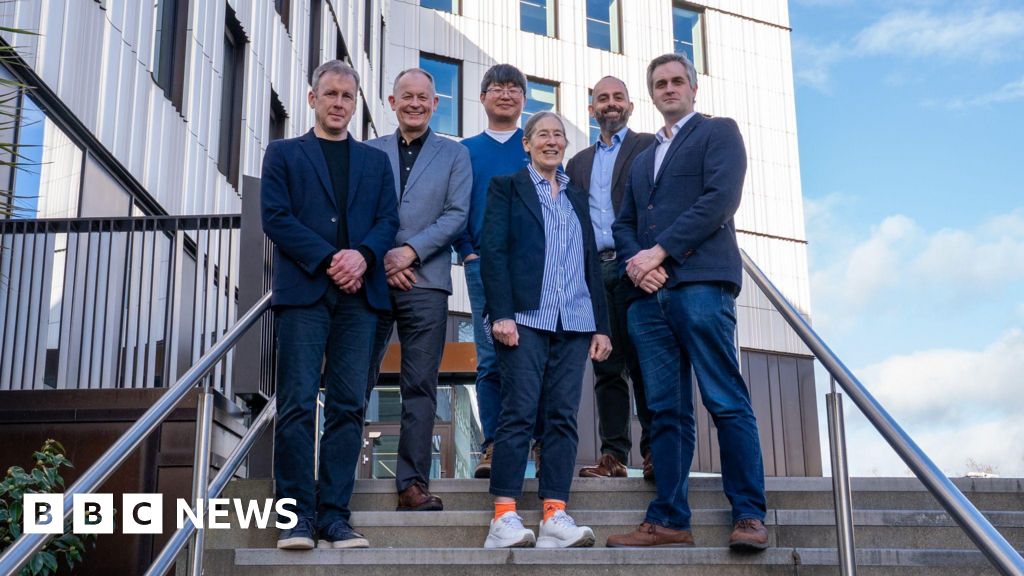
At its core, the Southampton Space Institute acts as a nexus, drawing together an unparalleled breadth of world-renowned research groups and state-of-the-art facilities. This collaborative ecosystem is specifically designed to accelerate the development of groundbreaking space technology and to champion crucial dialogues surrounding space policy and the imperative of space sustainability. By integrating diverse disciplines such as aerospace engineering, physics, computer science, materials science, and artificial intelligence, the SSI is well-positioned to tackle complex problems ranging from advanced propulsion systems to the ethical considerations of orbital operations.
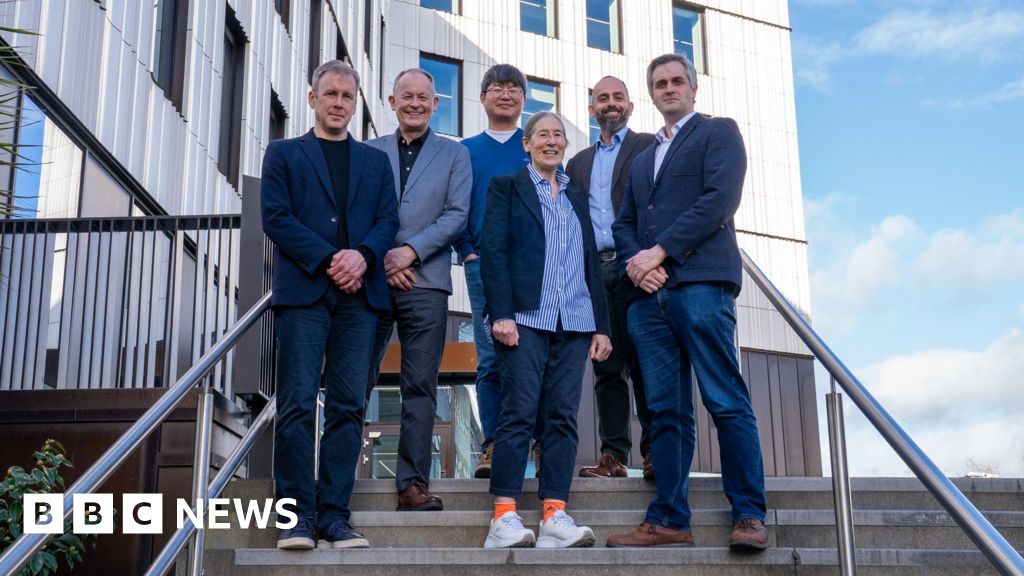
Professor Matt Middleton, the inaugural director of the Institute, highlighted the university’s long-standing legacy in the field, stating that the institution "has taught thousands of students about aircraft and satellite design since 1959." This rich heritage, spanning over 65 years, provides a robust foundation for the SSI’s ambitions. Southampton’s Department of Aeronautics and Astronautics has consistently been at the forefront of aerospace education and research, producing generations of engineers and scientists who have contributed significantly to both national and international space endeavors. This deep-rooted experience in education and research in space science and aeronautics now provides the bedrock upon which the new institute will build its future successes.
The modern space industry, as Professor Middleton emphasized, faces unique demands that necessitate the specific capabilities of leading academic institutions. "The industry needs the expertise of a university like Southampton to train the next generation, create new jobs and companies, and ensure that space is sustainable in the long term," he asserted. The SSI will play a critical role in nurturing the talent pipeline, offering cutting-edge undergraduate and postgraduate programs, as well as pioneering PhD research opportunities. These educational pathways are meticulously designed to equip students with the interdisciplinary skills required to innovate within the dynamic space sector, addressing identified skills gaps and preparing a workforce capable of driving future advancements. Beyond education, the Institute aims to catalyze economic development by fostering spin-out companies, supporting start-ups, and facilitating deep collaborations with established industry partners, thereby contributing directly to job creation and technological transfer.
A significant component of the Institute’s strategy involves close collaboration with Space South Central, the UK’s largest regional space cluster. This vital partnership connects the University of Southampton with over 130 space-related businesses spread across Hampshire, Surrey, and the Isle of Wight. This regional cluster serves as a dynamic innovation ecosystem, enabling joint research projects, providing valuable internship opportunities for students, facilitating knowledge exchange, and offering access to shared facilities and extensive networking events. The synergy created by this collaboration not only strengthens the regional economy but also enhances the UK’s overall competitive edge in the global space arena by consolidating expertise and resources.
Building on its distinguished 65-year heritage, the University of Southampton continues to push the boundaries of space research. This commitment was recently underscored by a substantial award of more than a million pounds through the UK Space Agency’s (UKSA) national space innovation programme. This significant funding injection will empower the university’s scientists to pursue two highly innovative projects with profound implications for future space missions.
One of these projects involves the development of an advanced plasma torch system. This cutting-edge facility will be crucial for simulating the extreme thermal conditions that spacecraft encounter during atmospheric re-entry. Understanding and mitigating the intense heat and stresses associated with re-entry is paramount for ensuring the safety and longevity of spacecraft, protecting their payloads, and ultimately reducing the risks associated with space debris. By meticulously testing materials and designs under such harsh simulated environments, the SSI will contribute to the development of more resilient and reliable spacecraft components.
The second project receiving UKSA funding focuses on developing a sustainable water-based propulsion system for satellites. Traditional satellite propulsion systems often rely on toxic and environmentally harmful propellants, posing challenges for manufacturing, launch, and orbital operations. A water-based system, in contrast, offers a cleaner, safer, and more sustainable alternative. This innovation is particularly relevant given the rapid proliferation of small satellites and constellations, which demand cost-effective, efficient, and eco-friendly propulsion solutions for orbital maneuvering, station-keeping, and de-orbiting at the end of their operational lives. Such a system could revolutionize satellite design and operations, aligning with global efforts to ensure responsible and sustainable use of space.
Professor Middleton further articulated the Institute’s comprehensive approach: "We will be drawing on our expertise in electronics, fundamental science, astronautics, artificial intelligence and many others, to enrich the UK space industry and support the national space strategy." This holistic vision underscores the interdisciplinary nature of modern space endeavors, where breakthroughs often emerge at the intersection of various scientific and engineering fields. From developing advanced electronic components resistant to space radiation to leveraging artificial intelligence for autonomous spacecraft operations and data analysis, the SSI aims to contribute across the entire spectrum of space technology.
The establishment of the Southampton Space Institute was a collaborative effort, notably involving Professor David Parker, a distinguished UK space policy expert and former chief executive of the UK Space Agency. Professor Parker’s invaluable experience at the highest levels of national space governance provides the Institute with a unique strategic perspective. He articulated the shared vision: "to drive sustainable, local and national economic growth by becoming one of the top UK universities for space education, novel space science, technology, and applications of space data here on Earth."
This ambitious vision encompasses several key pillars. In space education, the SSI aims to set a new benchmark, attracting top talent and providing unparalleled learning experiences. In novel space science and technology, the focus will be on pioneering fundamental research that leads to transformative breakthroughs. Perhaps equally impactful are the applications of space data here on Earth. The Institute will explore how satellite data can be harnessed for crucial terrestrial benefits, including enhanced climate monitoring, precision agriculture, more effective disaster management, advancements in global communication networks, and improvements in navigation systems. By bridging the gap between cutting-edge space research and tangible societal benefits, the Southampton Space Institute is not just joining the UK’s £17bn space sector; it is poised to become a significant driver of its future success and sustainable growth.







 Nakalama John

 Ramos Leo

 George Anjay