Nakalama John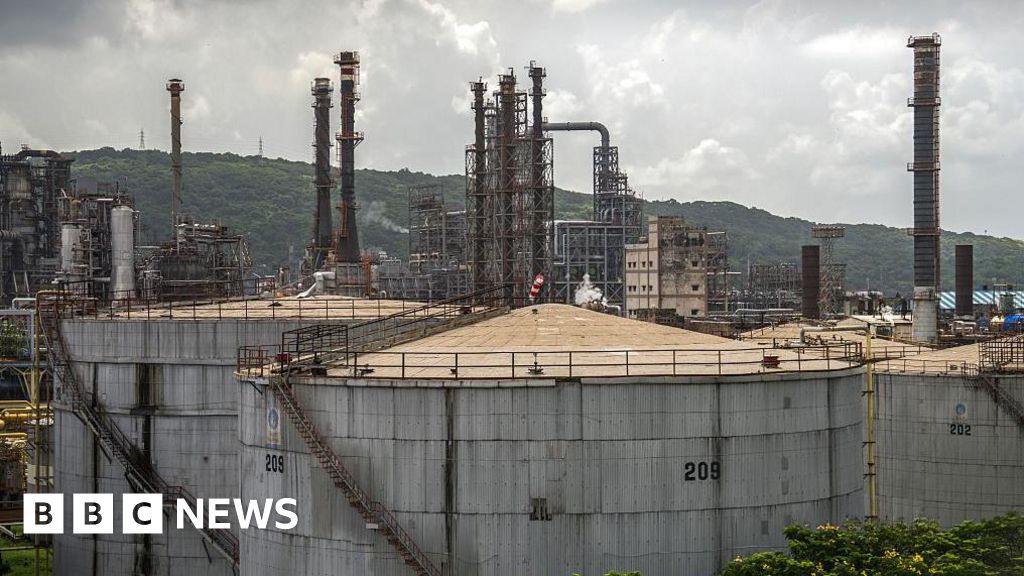
The United States government has made a significant and temporary strategic shift, easing sanctions to permit India to procure Russian oil that is currently stranded at sea. This extraordinary measure comes amidst rapidly escalating tensions in the Middle East, where a conflict involving the US, Israel, and Iran threatens global energy supplies and has created an urgent energy security crisis for India, one of the world’s largest crude oil importers.
The waiver, announced by Treasury Secretary Scott Bessent, is a "deliberate short-term measure," specifically designed to ensure the continued flow of oil in the global market for a 30-day period. This decision directly addresses the immediate threat posed by the ongoing "US-Israel war against Iran," which commenced last Saturday. The conflict has seen Tehran issue explicit threats to attack vessels attempting to navigate the vital Strait of Hormuz, a narrow yet critically important chokepoint in the Gulf through which nearly half of India’s crude oil and gas imports typically transit.
The move marks a stark departure from Washington’s previous stance, which has vigorously pushed India and other nations to reduce their reliance on Russian energy following Moscow’s full-scale invasion of Ukraine. The US-led sanctions regime on Russian oil aimed to curtail revenue flowing into Russia, thereby hindering its ability to finance the ongoing war. President Donald Trump, in particular, had previously imposed tariffs on India, including a 25% levy on Russian oil imports, explicitly stating that India’s purchases were indirectly funding the conflict in Ukraine.
However, the current geopolitical calculus has dramatically shifted. The Middle East conflict, specifically the confrontation with Iran, has created an imperative for global energy stability that momentarily overrides the pressure on Russia. Secretary Bessent emphasized that the waiver would "not provide significant financial benefit" to Russia, as it exclusively authorizes transactions for oil already stranded on the water, preventing a windfall from new sales. "This stop-gap measure will alleviate pressure caused by Iran’s attempt to take global energy hostage," Bessent stated on X, highlighting the perceived urgency and the rationale behind the temporary concession.
India’s vulnerability to Middle Eastern instability is profound. The indefinite halt in supplies through the Strait of Hormuz has triggered widespread fears of an impending energy crisis within the nation. India relies on imports for approximately 90% of its crude oil needs, making it exceptionally susceptible to disruptions in major shipping lanes. Official sources indicate that India’s strategic petroleum reserves, combined with existing stocks, could sustain the nation for only about 25 days, a dangerously thin margin in a protracted conflict.
The impact of the Strait of Hormuz threat has already manifested in India’s energy sector. Petronet LNG, India’s leading gas importer, was forced to issue a "force majeure" notice to its supplier, QatarEnergy, and its local buyers. This legal declaration, typically invoked due to unforeseen circumstances beyond a party’s control, came after its LNG tankers were unable to reach the loading terminal at Ras Laffan in Doha, a critical hub for natural gas exports. Consequently, major Indian energy companies, including the Gas Authority of India Ltd (GAIL) and Indian Oil Corp (IOC), have reportedly begun reducing gas supplies to industrial customers, signaling the immediate and tangible effects of the supply disruption.
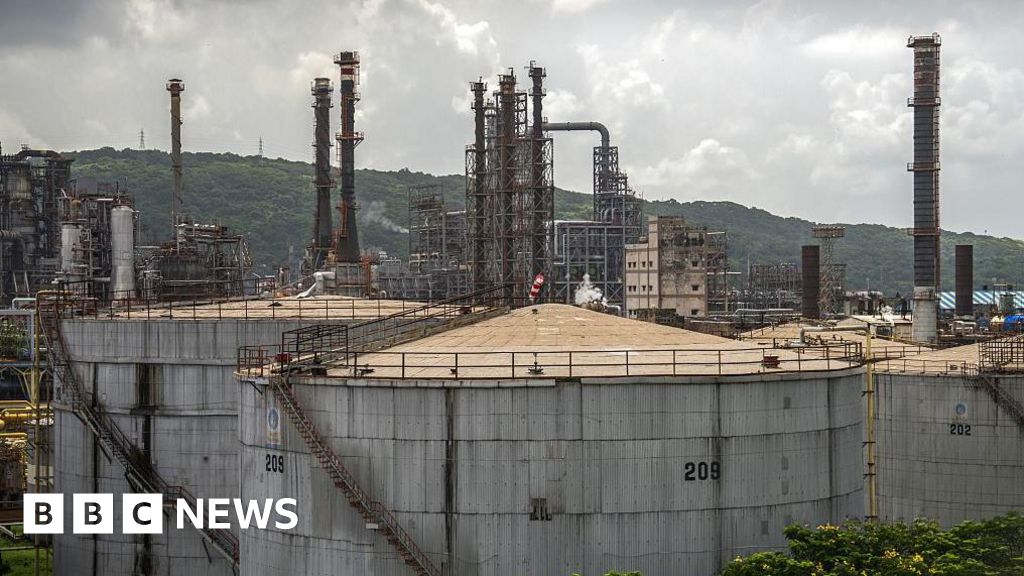
Around half of India’s total crude imports, amounting to a staggering 2.5 to 2.7 million barrels per day, depend on transit through the Strait of Hormuz. These vital shipments originate largely from major Middle Eastern producers such as Iraq, Saudi Arabia, the United Arab Emirates, and Kuwait. Experts warn that a prolonged supply crunch resulting from the closure or severe disruption of the strait could trigger widespread economic repercussions for India, including soaring inflation and a significant widening of the fiscal deficit, threatening the nation’s economic stability and growth trajectory.
The 30-day waiver, while temporary, offers a crucial lifeline. Sumit Ritolia, a lead research analyst at Kpler, indicated that approximately 145 million barrels of Russian crude currently "on the water" could potentially be redirected to Indian ports if commercial agreements are swiftly finalized. This volume represents a significant, albeit temporary, buffer against the immediate supply shock. However, Ritolia cautioned that the waiver does not fundamentally alter India’s long-term structural exposure to Middle Eastern supply flows, underscoring the ongoing challenge of energy security diversification.
Russian oil has become a substantial component of India’s energy mix, making up an estimated 20% of its total imports. This reliance grew significantly after the Ukraine invasion, as Russia offered discounted crude, presenting an attractive economic option for India’s burgeoning energy demands. This waiver, therefore, represents a notable and pragmatic shift in the US approach to India’s energy procurement, prioritizing immediate geopolitical stability and allied support over the ongoing sanctions regime against Russia.
Historically, India has steadfastly defended its right to purchase Russian crude. New Delhi has consistently maintained that its primary responsibility is to meet the vast energy needs of its massive population and that it retains the sovereign right to conduct business with its trading partners without external dictate. This stance often put India at odds with Western powers, who sought a united front in isolating Russia.
Despite this firm public position, there have been reports of a subtle shift in India’s energy strategy. Since late 2025, India has reportedly begun to reduce its imports of Russian crude, simultaneously boosting its crude oil purchases from the United States. President Trump himself alluded to this shift on his Truth Social platform, claiming that Indian Prime Minister Narendra Modi had "agreed to stop buying Russian oil, and to buy much more oil from the United States and, potentially, Venezuela." While India has never officially confirmed a reduction in Russian crude imports or allowed its trading relations to be dictated by other countries, the recent waiver suggests a complex interplay of strategic interests and evolving energy diplomacy.
The current crisis highlights the delicate balancing act faced by global powers. For the US, it’s a test of its ability to manage multiple geopolitical crises simultaneously – maintaining pressure on Russia while preventing a wider energy catastrophe triggered by the Middle East conflict. For India, it underscores the persistent vulnerability of its energy supply chains and the urgent need for diversification, even as it navigates complex international relations. The 30-day reprieve offered by the waiver provides a crucial window, but the long-term implications of the "US-Israel war with Iran" and its ripple effects on global energy security remain profoundly uncertain. President Trump’s warning that the conflict could "stretch on for four to five weeks or longer" suggests that this temporary measure might need to evolve into a more sustained strategy, further complicating the global geopolitical landscape.




 atisusanti
 Nana Banana
 George Anjay

 Ramos Leo