
 George Anjay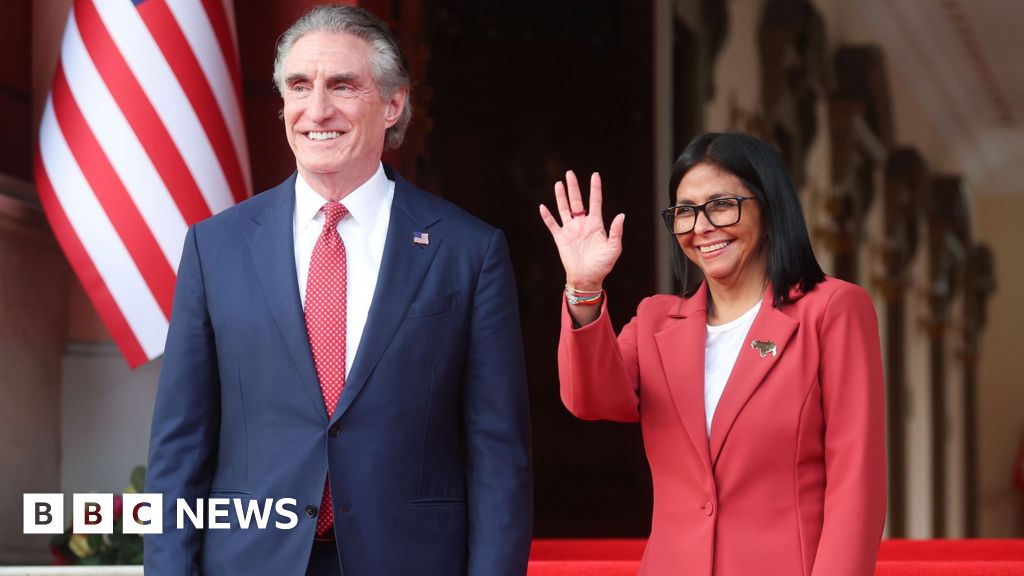
In a seismic geopolitical shift, the United States and Venezuela have formally agreed to re-establish full diplomatic and consular relations, marking a significant turning point in their deeply fractured bilateral engagement. This landmark accord, announced through a joint statement, signals a mutual commitment to foster stability, bolster economic recovery, and promote political reconciliation between the two nations. While relations have seen a thawing in recent months following the dramatic U.S. military capture of Venezuelan President Nicolás Maduro in January, the formal re-establishment of diplomatic ties represents a profoundly symbolic and consequential step forward.
The dramatic events of January saw President Donald Trump order U.S. forces to apprehend President Maduro, who was subsequently brought to a Manhattan court to face a litany of allegations, including involvement in weapon and drug offenses, charges vehemently denied by Maduro and his administration. This high-stakes action, while initially fueling uncertainty, has evidently paved the way for a renewed diplomatic channel. The U.S. embassy in Caracas, shuttered in 2019, has already reopened its doors, and Washington has appointed a new diplomat to spearhead its renewed presence in Venezuela, underscoring the seriousness of this diplomatic overture.
The Venezuelan government, in its public statement, expressed its readiness to embark on a "new stage of constructive dialogue, based on mutual respect." Caracas further articulated that the revitalization of the bilateral relationship must ultimately serve the "social and economic happiness of the Venezuelan people." However, a notable divergence emerged in the official communications, with Caracas’s statement conspicuously omitting any mention of a transition or future electoral processes, a theme that was more prominently featured in the U.S. State Department’s announcement.
The United States has long leveled accusations against President Maduro and his administration, alleging their leadership of a criminal organization deeply entrenched in activities such as illegal mining and sophisticated drug trafficking operations. Maduro himself is slated to stand trial in the U.S. this month, adding another layer of complexity to the ongoing legal and diplomatic maneuvering. Sources close to the BBC have indicated that additional diplomatic personnel from the U.S. embassy in Bogotá, Colombia, are slated for imminent transfer to Caracas. This influx of staff is anticipated to significantly enhance the ability of U.S. officials to engage in face-to-face negotiations and provide crucial consular services to American citizens and interests within Venezuela.
The U.S. State Department has emphasized that its diplomatic engagement is strategically calibrated to facilitate a path forward for the Venezuelan populace, envisioning a "phased process that creates the conditions for a peaceful transition to a democratically elected government." This strategic approach suggests a deliberate and measured re-engagement, prioritizing democratic reforms and stability.
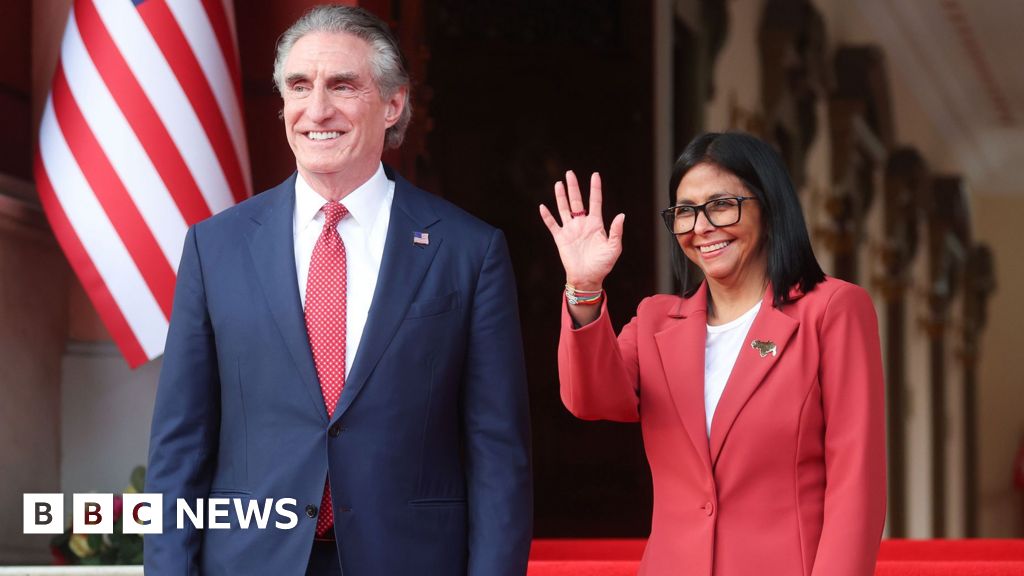
Following a recent visit to Venezuela, U.S. Secretary of the Interior Doug Burgum, speaking to reporters on the tarmac in Caracas before his departure for the United States, characterized the intervention in Venezuela as a "brilliant strategic move," particularly in the context of broader geopolitical considerations. He further elaborated that this intervention was strategically timed to precede potential U.S. and Israeli military actions in Iran, which commenced on February 28th, resulting in the death of Iran’s Supreme Leader Ayatollah Ali Khamenei during the initial wave of strikes. Burgum, who also presides over President Trump’s National Energy Dominance Council, posited that the engagement in Venezuela would be instrumental in ensuring that "oil will flow to America."
Indeed, since the U.S. military’s intervention in Venezuela and the apprehension of President Maduro, a series of new oil-related agreements have been forged between the two nations. Washington has granted Venezuela the ability to sell its previously sanctioned oil under strict U.S. oversight, a significant concession that has injected much-needed revenue into the Venezuelan economy. In tandem, Venezuela has enacted legislative reforms to encourage and facilitate greater foreign investment within its vital oil sector, signaling a commitment to modernization and increased production.
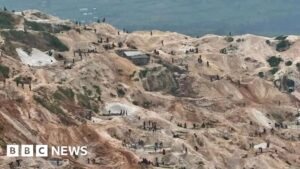
Further underscoring the deepening economic ties and collaborative spirit, Venezuela’s interim president, Delcy Rodríguez, and Secretary Burgum announced on Wednesday a joint initiative to develop Venezuela’s rich mining sector. This agreement highlights the vast untapped potential of Venezuela’s natural resources beyond its renowned oil reserves. The nation is not only home to the world’s largest proven oil reserves but also boasts significant deposits of gold, diamonds, and a spectrum of critical minerals and rare earth elements, including those essential for the production of modern electronic devices such as mobile phones. This strategic collaboration in mining is poised to unlock substantial economic opportunities for both nations and contribute to Venezuela’s economic diversification and recovery. The renewed diplomatic ties and burgeoning economic cooperation between the United States and Venezuela represent a complex but potentially transformative chapter in the region’s geopolitical landscape.



 atisusanti
 Nana Banana
 Ramos Leo