George Anjay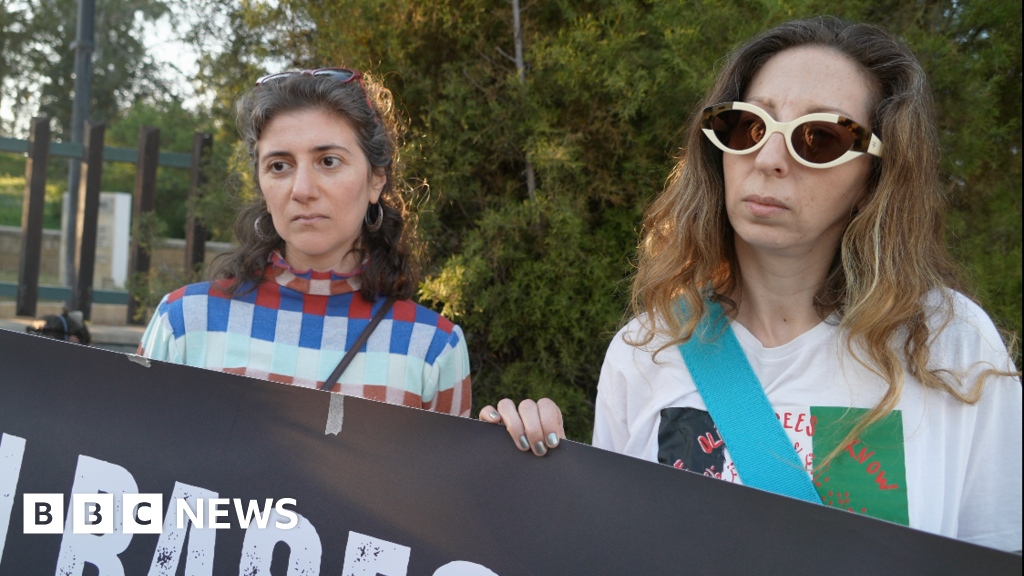
A recent drone strike targeting a British airbase in Cyprus has dramatically intensified an ongoing and deeply rooted debate about the presence of the United Kingdom’s military installations on the island. The incident, which saw a drone breach a hangar at RAF Akrotiri, has been interpreted through starkly different lenses: for some in Britain, it signifies a troubling vulnerability in the nation’s defence capabilities, while for a significant segment of the Cypriot population, it represents an unwelcome consequence of perceived British military overreach and a heightened risk to their safety.
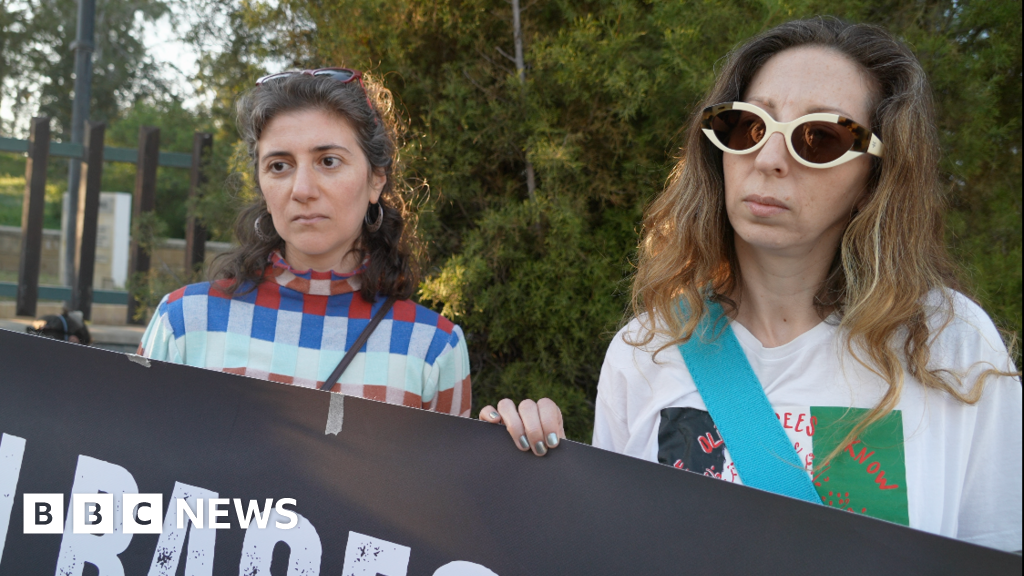
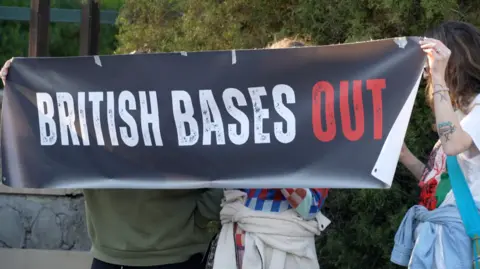
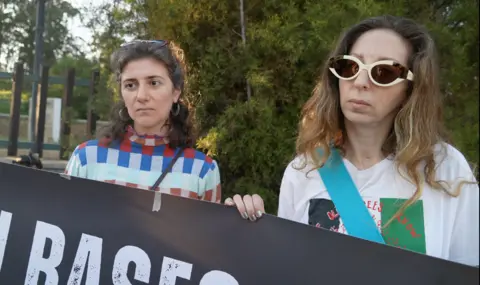
"We just want to have an independent Cyprus," declared Natasha Theodotou, a local business owner, while holding aloft a banner emblazoned with the demand: "British Bases Out." Speaking at a protest outside the presidential palace in the capital, Nicosia, she drew a parallel between the island’s current situation and its past, stating, "Just as we’re occupied by the Turkish government, we are occupied by the UK." Her aspiration, shared by many, is for a unified Cyprus where Greek Cypriots and Turkish Cypriots can coexist peacefully, free from external influences and territorial disputes.
The UK’s continued presence on the island is anchored by two substantial Sovereign Base Areas (SBAs): Akrotiri and Dhekelia. These territories, located in the south and southeast of Cyprus, were established under a treaty in 1960, a pivotal moment that granted the island its independence while simultaneously concluding its status as a British colony. These SBAs, covering approximately 98 square miles (254 square kilometres), are not merely military outposts but also encompass established communities and are even patrolled by a dedicated special police force. Despite their integration into the island’s fabric and their role as a source of employment for some Cypriots, they remain a persistent point of contention.
The current geopolitical climate, marked by escalating regional conflicts, has amplified these concerns. The drone attack on RAF Akrotiri occurred against a backdrop of heightened tensions in the Middle East. British military intelligence suggests the drone was launched from Lebanon by Hezbollah, an Iranian-backed militia, as a retaliatory measure against US-Israeli strikes. While the UK government has asserted that its bases in Cyprus are not being used by US bombers for "defensive" strikes on Iranian missile sites, reports of American U-2 spy planes utilizing RAF Akrotiri may offer a rationale for the base becoming a target. This potential connection to broader regional conflicts, particularly those involving Iran and its proxies, has fueled fears among Cypriots that their island is being drawn into international disputes.
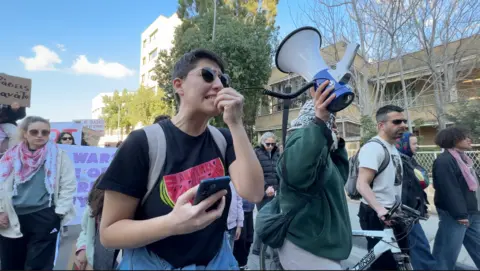
The protest on Saturday, which drew an estimated 200 to 300 participants, underscored these anxieties. Demonstrators carried signs expressing solidarity with Palestine and criticising the United States and Israel, alongside their calls for the removal of British bases. Chants such as "Say it loud, say it clear, British bases out of here" resonated through the streets, reflecting a deep-seated desire for self-determination and a critique of what is perceived as an exploitative and potentially dangerous foreign military presence.
"I think that we’d be a lot safer without them here," stated Shona Muir, standing alongside Natasha Theodotou with their "British Bases Out" banner. Muir articulated a widely held sentiment: "Their presence alone here makes us more of a target." This perspective highlights the paradox of the bases: intended to enhance security in the region, they are seen by some Cypriots as actively jeopardising their own safety by making the island a potential target in international conflicts.
The historical context of Cyprus is crucial to understanding the current debate. In 1974, Turkey launched an invasion and subsequently occupied the northern third of the island in response to a military coup orchestrated by Greece. This division of Cyprus, with the UN-patrolled buffer zone known as the Green Line bisecting the capital, Nicosia, creating the "world’s last divided capital," adds another layer of complexity to the island’s geopolitical landscape. The presence of foreign military bases, therefore, is viewed by some as an anachronism that perpetuates historical grievances and hinders the island’s quest for full sovereignty and reunification.
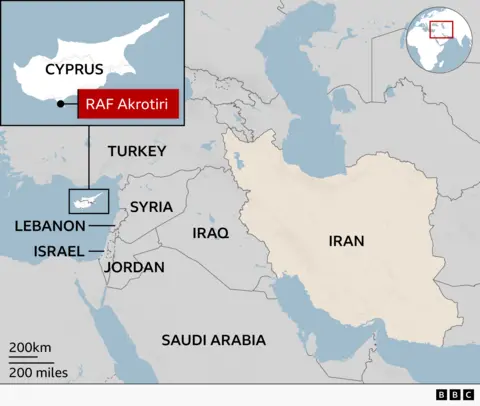
Responding to the incident and the growing debate, a spokesperson for the UK Ministry of Defence emphasised the strategic importance of the bases. "Our bases in Cyprus play a crucial role in supporting the safety of British citizens and our allies in the Mediterranean and in the Middle East," they stated. The spokesperson further highlighted recent operations, noting, "Just this week, we have flown Typhoon and F-35 fighter jets on sorties around the region, shooting down Iranian drones and defending innocent civilians from Iran’s indiscriminate attacks." This assertion underscores the UK’s perspective on the necessity of these bases for regional stability and the protection of allied interests.
The Cypriot government has been careful to distinguish between the targeted airbase and the island itself, stressing that Cyprus is not a direct participant in the ongoing conflicts. However, the incident has prompted renewed calls for greater transparency regarding the activities conducted at the British bases. Stephanos Stavros, another protester, expressed a common concern: "We don’t know what’s happening in [the] British bases. There are worries now that there are things there that we were not aware [of]." He called for adherence to the treaty establishing the bases but also demanded "full transparency."
Cyprus’ Foreign Minister, Constantinos Kombos, acknowledged the long-standing nature of the debate surrounding the British bases. Speaking to BBC Newsnight, he indicated that the matter had been "on the agenda for a long time" but suggested that a thorough reflection on recent events was necessary before further discussions. The prospect of renegotiating the terms of the 1960 treaty is, however, an exceptionally complex undertaking. The original agreements involved not only the UK but also Greece and Turkey, alongside representatives from both the Greek and Turkish Cypriot communities, making any future alterations a matter of intricate diplomatic negotiation.
The drone strike at RAF Akrotiri has undeniably amplified the voices of those who advocate for the removal of British military bases from Cyprus. It has also brought to the forefront the precarious position of Cyprus, an island situated at the crossroads of volatile regional dynamics, and its desire for a future defined by peace, unity, and complete sovereignty. The debate, now reignited by the war in the Middle East, is likely to persist, posing significant questions about the role and future of these strategically vital, yet domestically controversial, British installations.





 atisusanti

 Nana Banana