
 Nakalama John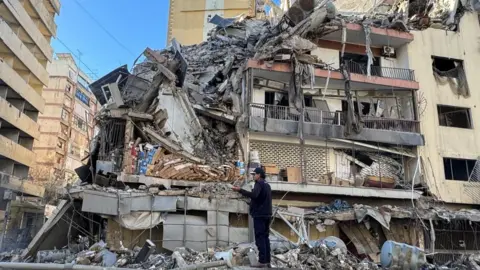
The escalating conflict involving the US and Israel in strikes against Iran, coupled with Iran’s retaliatory actions across various Middle Eastern states, is creating profound disruptions that threaten to significantly increase living costs worldwide, particularly for food and fuel. As military operations intensify, vital shipping arteries are becoming increasingly perilous, and regional oil and gas production faces severe impediments, creating a ripple effect across the global economy. BBC’s Nick Marsh has been examining the mechanisms through which this burgeoning war could translate into a substantial rise in household expenses globally.
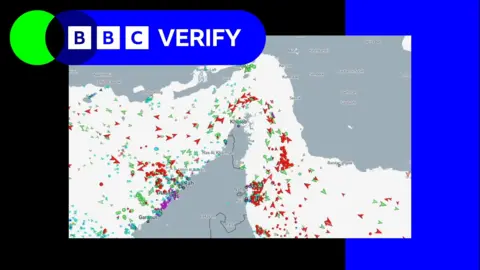
At the heart of the impending fuel crisis lies the Middle East’s unparalleled importance as a global energy hub. The region accounts for a significant portion of the world’s crude oil production and natural gas reserves. Crucially, a substantial percentage of global oil shipments, estimated at over 20% of the world’s total, transit through the Strait of Hormuz, a narrow choke point between the Persian Gulf and the Gulf of Oman. This strategic waterway is bordered by Iran to the north, making it incredibly vulnerable to any direct or indirect involvement in the conflict. Reports from BBC Verify, citing ship tracking data, already indicate severe jeopardization of marine traffic in this critical passage, with vessels facing increased risks of attack, leading to soaring insurance premiums and reluctance from shipping companies to operate in the area.

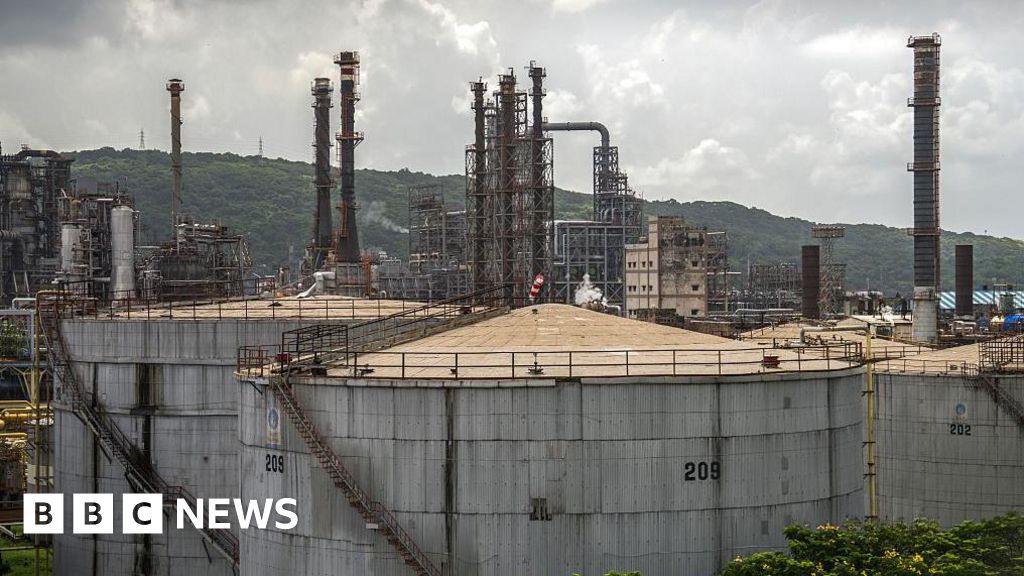
The direct impact of military strikes on oil and gas infrastructure within Iran and nearby states is a major concern. Even without direct hits, the heightened security risks and the potential for a full-blown regional war can halt or significantly reduce production operations. Investment in new exploration and maintenance would also grind to a halt. Such disruptions immediately translate into reduced global supply, driving up crude oil prices like Brent and WTI. Furthermore, the conflict’s spread to other oil-producing nations in the region could compound the issue, creating a severe supply shock. Higher crude oil prices then cascade down to consumers in the form of elevated petrol and diesel prices at the pump. This isn’t just a matter for drivers; it impacts every sector that relies on transportation, from manufacturing and logistics to agriculture and retail, embedding higher energy costs throughout the economy.
Beyond the direct impact on fuel, the conflict poses a grave threat to global food security and affordability. The disruption of shipping routes, particularly through the Red Sea and the Strait of Hormuz, impacts not only oil but also the transport of agricultural commodities. Grain, fertilizers, and other essential food components travel these routes. Increased shipping costs due to longer detours (e.g., around Africa) or higher insurance premiums will be passed on to consumers. Furthermore, higher fuel costs directly affect agricultural production itself. Farming machinery runs on diesel, fertilizers are energy-intensive to produce, and the processing, packaging, and refrigeration of food all require significant energy input. A surge in fuel prices means a surge in input costs for farmers and food manufacturers, inevitably leading to higher food prices on supermarket shelves.
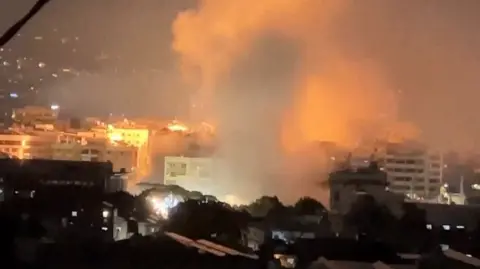
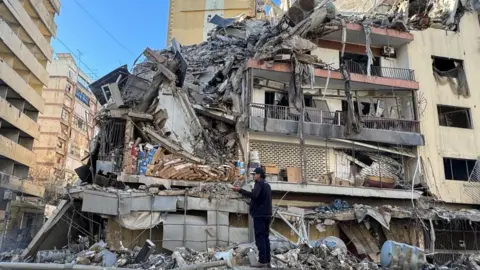
The Middle East, while not a primary global food exporter for many staple crops, is a significant importer of foodstuffs, making it highly susceptible to price volatility and supply chain shocks. The instability could also disrupt local agricultural cycles and distribution networks within affected countries, exacerbating humanitarian crises and potentially triggering food shortages. The conflict’s geographical spread is already alarming. Israeli strikes have caused widespread destruction in Beirut and other parts of Lebanon, targeting what Israel states are Hezbollah strongholds. This has prompted residents to flee their homes, creating a humanitarian crisis and further destabilizing regional economies. Similarly, reports from the Israeli town of Metula on the border with Lebanon indicate heavy gunfire, underscoring the direct and intense nature of the clashes.

Iran’s retaliatory actions have not been confined to rhetoric. Deadly Iranian missile strikes have hit Israeli cities like Beit Shemesh, resulting in multiple casualties. Moreover, the conflict has spread to US military bases in allied Gulf states, with Qatar, the United Arab Emirates, Kuwait, Bahrain, and Jordan reporting the interception of missiles fired from Iran. A falling object even sparked a fireball in Doha, forcing crowds to flee, demonstrating the tangible and immediate threat to regional stability and infrastructure. Such incidents underscore the risk to vital trade infrastructure across the broader Middle East, including ports and energy facilities, further jeopardizing global supply chains.
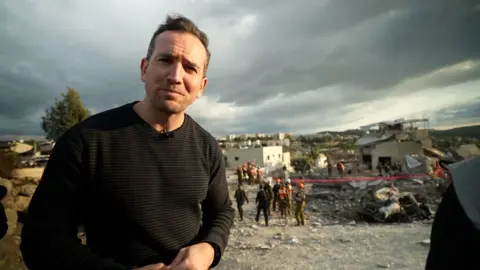
Internally, Iran itself is grappling with significant turmoil. The death of Iran’s Supreme Leader Ayatollah Ali Khamenei in a US-Israel attack on Saturday morning ignited celebrations in several Iranian cities, where monuments were toppled and people danced in the streets. This indicates deep internal dissent and a fractured society, which could further complicate the regime’s ability to manage external conflict and its economic consequences. BBC reporters in Tehran have observed the government’s "political reply" to massive anti-government protests, highlighting a climate of repression and unrest. This internal instability, combined with external pressures, creates a highly unpredictable environment for Iran’s economy and its role in global energy markets.

The broader geopolitical ramifications are equally concerning. The conflict draws in major global powers like the US, creating an atmosphere of international tension that discourages investment and promotes market uncertainty. Leaders like Donald Trump have already vowed "very strong action" in response to Iranian internal policies, adding another layer of international pressure. Celebrations by Iranian Americans in Los Angeles and other diaspora communities worldwide after the strikes illustrate the profound global interest and mixed reactions to the unfolding events, reflecting long-standing grievances and hopes for political change within Iran.
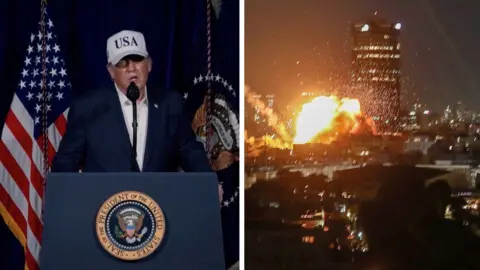
In essence, the war in Iran threatens to unleash a severe wave of global inflation. Higher fuel costs directly raise the price of transportation and energy, while indirectly elevating the cost of virtually all goods and services, including food. The disruption of vital trade routes, the reduction in oil and gas production, and the overall climate of geopolitical uncertainty will combine to create a perfect storm for global living costs. Central banks, already battling persistent inflation in many economies, would face immense pressure to raise interest rates further, potentially pushing economies into recession. The world’s households, already grappling with post-pandemic economic challenges, stand on the precipice of another significant and painful squeeze on their budgets, demonstrating how regional conflict can have truly global and devastating economic consequences.





 George Anjay
 atisusanti
 Nana Banana


 Ramos Leo