
 Nakalama John
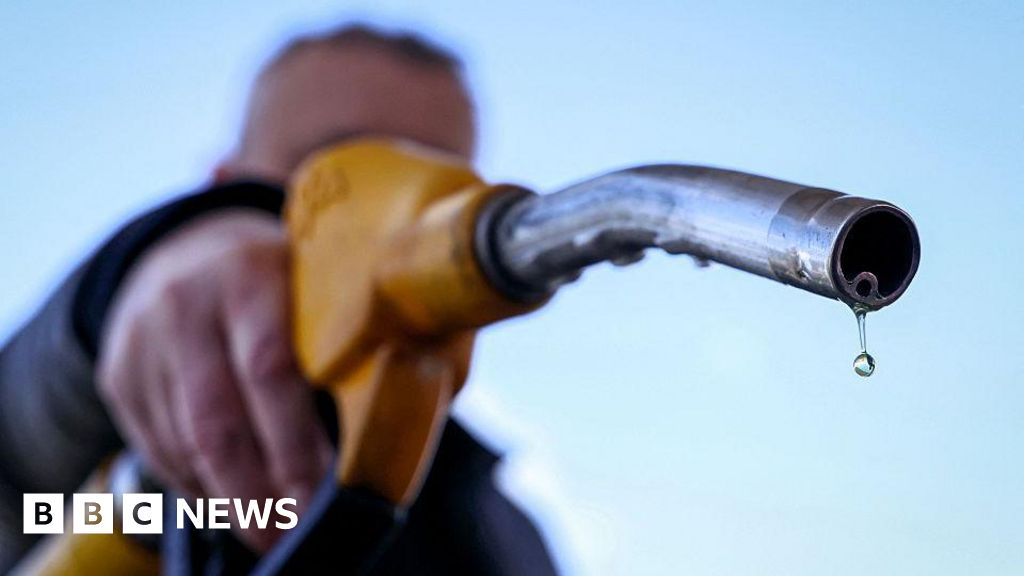
As escalating geopolitical tensions in the Middle East, specifically a heightened conflict in Iran, severely disrupt vital oil exports from the Persian Gulf region and major global producers collectively move to significantly cut output, the ensuing supply shock has sent petrol prices soaring worldwide. This stark and sudden rise is already visibly rattling financial markets across the globe, manifesting in widespread volatility, driving up prices at the pump to alarming levels, and raising fears of a much larger, more pervasive economic hit that could ripple through industries and households alike. The BBC recently spoke to Americans in New York, a microcosm of the nation’s diverse population, to gauge firsthand how they are personally feeling the intense and immediate pinch of these surging fuel costs.

The situation, unfolding rapidly in early March 2026, stems from a complex interplay of geopolitical instability and strategic energy policy. Reports indicate that a deepening internal crisis within Iran, coupled with international sanctions and regional skirmishes, has severely hampered the flow of crude oil through the Strait of Hormuz, a critical chokepoint for a significant portion of the world’s oil supply. Simultaneously, key members of the OPEC+ alliance, citing market rebalancing and long-term investment strategies, have announced unexpected and substantial production cuts. This dual squeeze on supply—one involuntary due to conflict, the other deliberate due to policy—has created a perfect storm, pushing crude oil benchmarks like Brent and WTI to multi-year highs. Financial analysts are closely watching, with some predicting inflation not seen in decades if the situation persists, leading to widespread concern about central banks being forced into aggressive interest rate hikes, potentially triggering a global recession.

For everyday Americans, the abstract machinations of global oil markets translate directly into tangible financial pain at the gas station. In Tarrytown, a suburban hub north of New York City, Michelle Fleury observed long queues at pumps where prices for a gallon of regular unleaded had breached the $5.00 mark, a level many thought was a distant memory. "It’s brutal," commented Maria Rodriguez, a mother of two who commutes daily to White Plains. "I used to fill up for maybe $60, now it’s pushing $90 or even $100. That’s money that was supposed to go to groceries, or my kids’ after-school activities. We’re cutting back everywhere we can. Even leisure drives are out of the question." Her sentiment was echoed by Mark Peterson, a self-employed plumber whose business relies heavily on his work van. "My fuel costs have practically doubled in a month. I can’t absorb that forever. Eventually, I’ll have to raise my rates, and then everyone suffers. It feels like a lose-lose situation." The anxiety is palpable, with many expressing frustration over the lack of immediate solutions and the feeling of being at the mercy of distant global events.

In the bustling streets of New York City, Pratiksha Ghildial found a different, yet equally worried, perspective. While fewer New Yorkers own cars due to extensive public transportation, those who do, or those whose livelihoods depend on vehicles, are struggling. Taxi drivers, delivery service couriers, and small business owners reliant on local transport are experiencing significant financial strain. "Every time I pull up to the pump, my heart sinks," said Jamal Adebayo, a rideshare driver navigating Manhattan’s congested streets. "I’m working longer hours just to make the same amount of money after gas. My profit margins are evaporating. If this keeps up, I don’t know how much longer I can do this." For small businesses like local bakeries or florists that offer delivery services, the increased fuel cost is a direct hit to their bottom line, forcing tough decisions about pricing or service areas.

The broader economic implications for the United States are indeed significant. Rising petrol prices act as a regressive tax, disproportionately affecting lower-income households who spend a larger percentage of their earnings on necessities, including transportation. This translates into reduced discretionary spending, which can slow economic growth. Businesses face higher operational costs, leading to potential price increases for consumers across a wider range of goods and services, exacerbating inflationary pressures. The manufacturing and logistics sectors, heavily reliant on fuel for production and distribution, are particularly vulnerable. Economists are warning that sustained high energy prices could tip an already fragile global economy into recession, undermining post-pandemic recovery efforts. The fear is that this "economic hit" will manifest not just in higher prices at the pump, but in a slowdown of hiring, reduced investment, and a general tightening of belts across the country.

Historical precedents offer a sobering reminder of the potential fallout. The oil crises of the 1970s, triggered by geopolitical events and supply disruptions, led to periods of stagflation—high inflation coupled with stagnant economic growth—and fundamentally reshaped global energy policies. While today’s economy is more diversified and less directly dependent on oil than it was five decades ago, the ripple effects of energy price shocks remain potent. The current situation also reignites debates about America’s energy independence and the transition to renewable sources. While high petrol prices might, in the long term, accelerate the adoption of electric vehicles and other sustainable technologies, the immediate financial burden falls heavily on those still reliant on fossil fuels, many of whom lack the financial flexibility to make such a transition quickly.

Government responses to such crises are often complex and politically charged. Potential measures could include tapping into the Strategic Petroleum Reserve to temporarily boost supply, diplomatic efforts to de-escalate regional conflicts and encourage increased output from other oil-producing nations, or even domestic policies such as temporary gas tax holidays. However, each of these options carries its own set of challenges and potential drawbacks. Releasing strategic reserves offers only temporary relief, diplomatic solutions can be slow and uncertain, and tax holidays, while popular, can reduce funding for infrastructure projects and may not fully translate into lower prices at the pump if suppliers simply absorb the difference. The current administration faces immense pressure to address the situation, with public sentiment about the economy often closely tied to fuel costs, particularly in an election year.

Beyond the immediate financial strain, there’s a psychological toll. The constant barrage of news about rising prices, coupled with the daily reminder at the gas station, fosters a sense of insecurity and frustration. Americans, long accustomed to a certain level of mobility and affordability, are grappling with an uncertain future where basic necessities are becoming increasingly expensive. The worry extends beyond personal finances to the broader stability of the nation and the world. The question "How worried are Americans about rising petrol prices?" elicits a resounding answer: deeply. From suburban commuters rethinking their daily routines to urban delivery drivers seeing their livelihoods erode, and from small business owners contemplating price hikes to financial markets bracing for impact, the pervasive concern underscores the profound and far-reaching consequences of a volatile global oil market. The coming weeks and months will reveal just how resilient American households and the broader economy can be in the face of this sustained energy challenge.

With reporting from Michelle Fleury in Tarrytown, New York and Pratiksha Ghildial in New York City.




 Nana Banana
 Ramos Leo
 George Anjay