
 George Anjay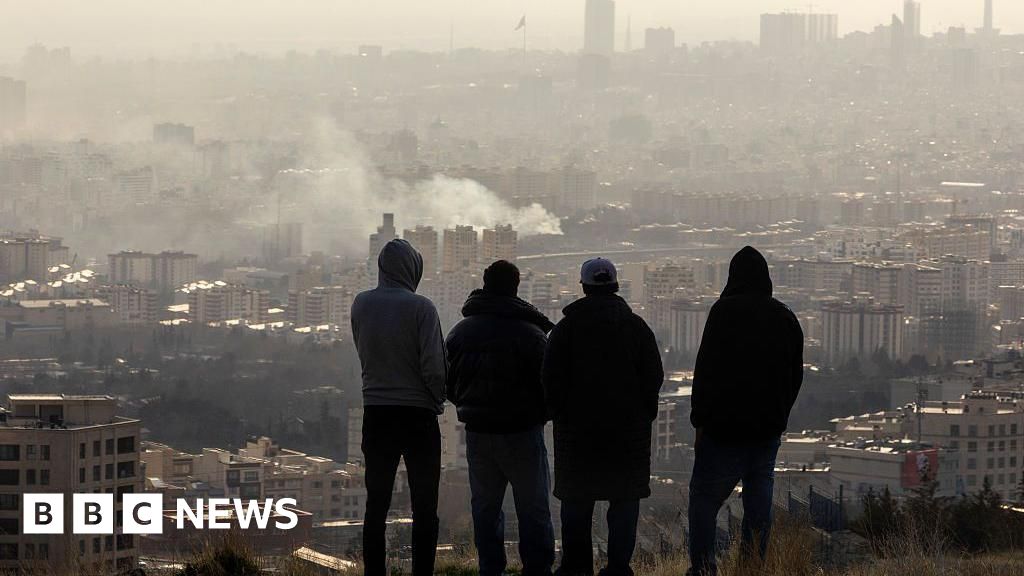
Tehran, Iran – March 9, 2026 – A profound and complex tapestry of emotions is unfolding across Iran one week into a devastating conflict. For many, the death of Supreme Leader Ayatollah Ali Khamenei, which precipitated the current hostilities, was met with a surge of euphoria. Hamid, a Tehran resident speaking through a cousin in the UK, described his initial elation. "When Hamid heard news of the death of Iran’s Supreme Leader Ayatollah Ali Khamenei a week ago today, he felt a wave of euphoria and took his wife and daughter into the street outside his home in Tehran to celebrate," Caroline Hawley, BBC World Affairs Correspondent, reported. For the subsequent days, as air raid sirens became a grim soundtrack to daily life and the skies above the capital lit up with the fiery trails of incoming ordnance, Hamid and his family found themselves drawn to their rooftop, not in fear, but in a perverse celebration. "For the next few days, as US and Israeli bombs slammed into buildings across the capital, the family went onto the roof of the house to watch the airstrikes coming in, cheering every time a regime target was hit," Hawley observed. This sentiment, though seemingly paradoxical to an outside observer, reflects a deep-seated desperation for change. "Try to find anywhere else on this earth where the population would be happy with an external attack on their country," Hamid stated, his voice tinged with a grim justification. "But we now have hope that the regime will soon be gone. We are happy."
Hamid, whose real name has been withheld for his safety, is not an isolated voice. Through a network of contacts including BBC Persian, a vital source of independent news for millions of Iranians despite official jamming and censorship, Hawley has been gathering firsthand accounts from within the embattled nation. The sheer scale of the Iranian population, numbering 90 million, and the severe internet restrictions imposed by the regime, make it an arduous task to ascertain the precise mood across the vast country. Residents of Tehran have been issued stern warnings: "Residents of Tehran have received messages warning: ‘If your connection to the internet continues in the coming days, your line will be blocked and you will be referred to judicial authorities.’" This pervasive atmosphere of fear ensures that any open dissent is met with severe repercussions, and individuals are reluctant to reveal their identities.
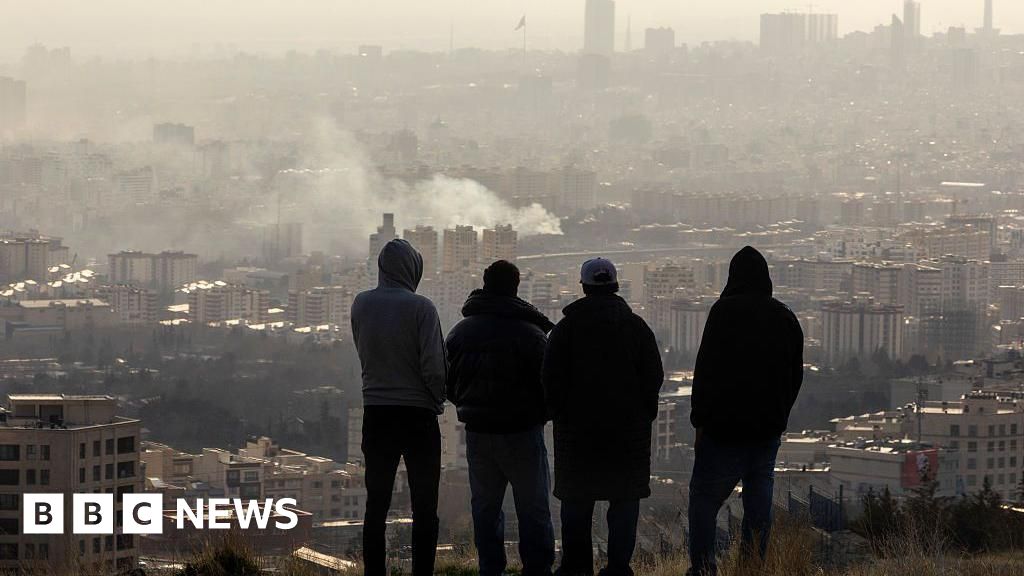
However, as the first week of the war draws to a close, a palpable shift in sentiment is becoming evident. While some continue to find grim satisfaction in every strike against the regime, a growing number are succumbing to fear and questioning the ultimate objectives and consequences of this conflict. Ali, another Iranian who spoke anonymously, articulated a deep suspicion regarding the war’s true motives. "The goal of this war isn’t to bring about freedom or democracy for the Iranian people," he asserted. "It’s for the geopolitical benefit of Israel, the US and Arab countries in the region." This sentiment reveals a deep-seated distrust of external powers and a concern that the Iranian people may be caught in a geopolitical tug-of-war.
Mohammad, a Tehran resident in his thirties, expressed a profound sense of regret and uncertainty. He had harbored hopes for a diplomatic resolution between the US and Iran, a path that could have averted the current devastation. "Deep down, I always hoped an agreement would be made," he confided. The death of Khamenei, which he had anticipated would bring him a sense of release, ultimately left him feeling "nothing." Speaking to Hawley’s colleague, Soroush Pakzad, Mohammad described a pervasive sense of fear, exacerbated by the omnipresent regime checkpoints and the constant threat of aerial bombardment. "He told my colleague Soroush Pakzad that he is now filled with uncertainty about the future – and, with regime checkpoints everywhere on the ground and bombardments from the sky, he is afraid."
The emotional landscape of Iranians during this tumultuous period is a complex interplay of fear, stress, and a flickering ember of hope. One woman, speaking with a weariness born of decades of living under the current regime, emphasized the nuanced reality. "One woman told me that I would have to live in Iran for 40 years to understand the complexity of what she and other Iranians are now feeling," Hawley reported. "We laugh and are happy when the regime is hit, but when children die and our infrastructure is destroyed, we worry about the future of our country," she added, encapsulating the profound internal conflict between a desire for liberation and the devastating human cost of war.
While formal opinion polls are non-existent in Iran, the overwhelming consensus among those reached by the BBC suggests a widespread antipathy towards the ruling Islamic Republic, a regime responsible for immense suffering over its 47-year tenure. The opposition, however, is not monolithic; it is fractured between those who see the US and Israeli intervention as a necessary catalyst for change and those who view it with deep suspicion, fearing the motives and potential outcomes. Saeed’s impassioned message highlighted this skepticism: "Trump’s government – from top to bottom – they’re all lying. They had no reason to attack Iran. Other than Israel wanted them to."
The voices of the regime’s staunchest supporters are conspicuously absent from these accounts, a testament to the fear that permeates the country. Even more heart-wrenching is the silence from those who have suffered the most profound losses. The parents of the children killed on February 28th in an elementary school in Minab, an attack that stands as the deadliest known incident of the war thus far, have not been able to share their grief publicly. Yet, for many Iranians, the prospect of escaping the decades-long oppression of the Islamic Republic outweighs the immediate horrors of war, making this conflict their sole perceived hope for freedom.
Hamid’s cousin, residing in exile and representing the millions of Iranians living abroad, eloquently captured the conflicted emotions of many in a message to the BBC: "I hate wars, I don’t want a single innocent human being killed or harmed no matter which side they are on, but I’m jumping for joy at the news of the attacks this morning. I know, it’s contradictory and mad but it’s the truth. The thought that the dream of freedom from the murderous Ayatollahs might finally be turning into a reality is making me giddy with joy." As the week concluded, attempts to reconnect with Hamid proved futile, with his cousin sending a poignant plea: "Please don’t judge me. But I think the strikes must continue. They have to finish the job."
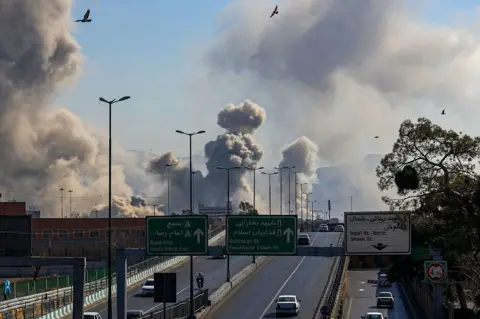
Hamid had initially conveyed that the airstrikes appeared to be targeting "bad" individuals, suggesting a degree of precision. However, the grim reality is a mounting civilian casualty list, with children disproportionately affected in a country lacking adequate bomb shelters or air raid sirens. The US-based Human Rights Activists News Agency (HRANA) reports over 1,000 civilian deaths, including nearly 200 children, in the short span of the war. This, tragically, follows the regime’s violent crackdown on nationwide protests in January, where thousands of demonstrators were killed, a trauma that still haunts the nation. Saman, from Isfahan, who personally knew six individuals killed during that crackdown, now faces the devastating loss of two relatives to airstrikes in Tehran. His message to Soroush Pakzad painted a chilling picture: "The situation in Isfahan was ‘truly terrifying’, with body parts on the street around one target. He described himself as being in shock and anger, saying: ‘I never imagined in my worst dreams that we would become this war-stricken.’"
Ghoncheh Habibiazad, another BBC colleague collecting voices from within Iran, has observed a significant evolution in people’s perspectives as the war has prolonged beyond the initial expectations following Khamenei’s death. A young woman in her twenties, who had been "over the moon" at the targeting of the supreme leader, expressed a profound weariness just six days later: "I’m neither happy nor sad now – just tired." The initial euphoria has given way to the grim reality of prolonged conflict and the crushing weight of uncertainty.
Do you have family in Iran? You can get in touch anonymously via this link or by using the form below.


 Nana Banana
 Ramos Leo
 atisusanti
 Nakalama John