
 Roy Suryo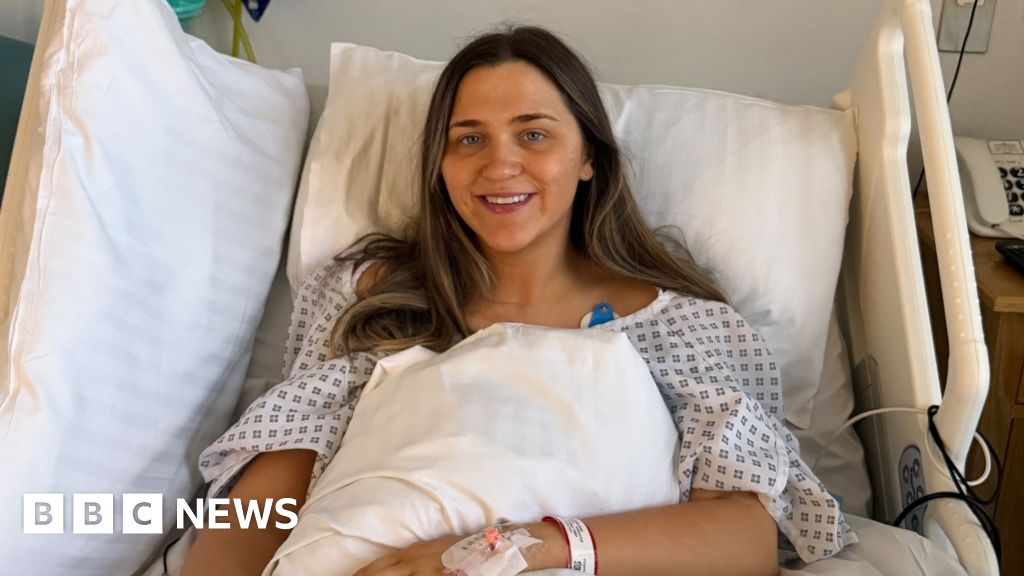
Clarke’s personal ordeal began at the tender age of 13, when the first insidious symptoms of endometriosis started to manifest. For ten long years, she endured a relentless barrage of debilitating pain and other distressing symptoms, grappling with a condition that remained largely undiagnosed and misunderstood. This prolonged period of uncertainty and suffering is a common thread in the experiences of many endometriosis patients, who often face skepticism and dismissal from healthcare professionals. The lack of adequate awareness and understanding surrounding endometriosis contributes significantly to these diagnostic delays, leaving individuals to suffer in silence and isolation.
The Endometriosis UK report paints a grim picture of the current state of care and diagnosis for the condition. It reveals that a staggering 39% of respondents had to seek medical attention 10 or more times before endometriosis was even suspected. This highlights a systemic failure in early detection and a lack of specialist knowledge among general practitioners. Imagine the frustration and despair of repeatedly explaining your symptoms, only to be met with inconclusive tests or offered treatments for unrelated ailments. For many, these repeated visits become a demoralizing cycle, eroding trust in the healthcare system and deepening their sense of helplessness.
Furthermore, the report exposes a shocking lack of effective support once patients do manage to reach a hospital setting. A concerning 46% of those who were admitted to hospital were sent home without any diagnosis or treatment. This statistic is particularly egregious, suggesting that even when patients are able to access hospital care, they are often not receiving the necessary diagnostic tools or therapeutic interventions. Being discharged without a clear plan or relief from agonizing pain can be devastating, leaving individuals feeling abandoned and unheard. The emotional toll of such experiences cannot be overstated, contributing to anxiety, depression, and a diminished quality of life.
Clarke’s powerful declaration, "People have horrendous periods and think they just have to live with it, but I’m here to say you don’t," serves as a beacon of hope and a call to action. Her message directly challenges the pervasive societal acceptance of severe menstrual pain as a normal part of womanhood. Endometriosis is not simply "bad periods"; it is a complex disease characterized by the presence of endometrial-like tissue outside the uterus, which can implant on ovaries, fallopian tubes, and other pelvic organs. This tissue responds to hormonal changes each month, leading to inflammation, scarring, and the formation of adhesions, which can cause excruciating pain, infertility, and a wide range of other debilitating symptoms.
The pain associated with endometriosis can be relentless and all-encompassing. It often manifests as severe menstrual cramps that extend beyond the duration of menstruation, chronic pelvic pain, pain during or after sexual intercourse (dyspareunia), pain during bowel movements or urination, and even back and leg pain. This constant physical discomfort can significantly impact a person’s daily life, affecting their ability to work, study, socialize, and engage in physical activities. For many, the pain is so severe that it leads to frequent absences from work or school, impacting their career progression and financial stability. The emotional burden of living with chronic pain is equally profound, leading to feelings of isolation, frustration, depression, and anxiety.
Beyond the physical pain, endometriosis can have devastating consequences for fertility. The disease can distort pelvic anatomy, cause inflammation that damages eggs and sperm, and lead to the formation of ovarian cysts (endometriomas) that can impair ovarian function. Many women with endometriosis struggle with infertility, facing the emotional anguish of trying to conceive without success. The journey to parenthood for these women can be fraught with multiple rounds of fertility treatments, invasive procedures, and the constant fear that their condition is preventing them from fulfilling their dreams of having a family.
The diagnostic delays highlighted by Endometriosis UK are not just a matter of inconvenience; they are a critical barrier to effective management and treatment. Early diagnosis is crucial for several reasons. Firstly, it allows for timely intervention, which can help to manage symptoms, slow the progression of the disease, and potentially preserve fertility. Secondly, it provides patients with validation and understanding, which can be incredibly empowering after years of feeling dismissed or misunderstood. Thirdly, it allows for the implementation of a multidisciplinary approach to care, involving gynecologists, pain management specialists, physiotherapists, and mental health professionals, to address the multifaceted nature of the condition.
The lack of widespread awareness and understanding of endometriosis among the general public and even within some medical circles is a significant contributing factor to these delays. Many women are conditioned to believe that severe menstrual pain is normal, and they may hesitate to seek medical help. When they do seek help, they may encounter healthcare providers who lack the specialized knowledge to recognize the signs and symptoms of endometriosis, leading to misdiagnosis or a lack of diagnosis altogether. This perpetuates a cycle of suffering and delays access to appropriate care.
The findings of the Endometriosis UK report underscore the urgent need for systemic change. Increased investment in research is essential to better understand the causes, progression, and potential cures for endometriosis. Educational initiatives are needed to raise awareness among the public and healthcare professionals, ensuring that endometriosis is recognized as a serious medical condition requiring prompt and effective management. Furthermore, there needs to be a concerted effort to improve access to specialist diagnostic services and multidisciplinary care pathways for endometriosis patients.
Ami Clarke’s courageous decision to share her story is a vital step in this process. By speaking out, she is not only advocating for herself but for countless other women who are suffering in silence. Her message of hope, that relief is possible and that no one should have to endure this level of pain, is a powerful reminder of the importance of patient advocacy and the need for a more compassionate and informed approach to women’s health. The experiences of individuals like Ami Clarke, coupled with the compelling data from organizations like Endometriosis UK, should serve as a catalyst for change, driving forward a future where endometriosis is diagnosed earlier, treated more effectively, and where no woman has to suffer in unbearable pain. The journey towards better care for endometriosis patients is long and challenging, but with increased awareness, continued research, and the unwavering voices of those affected, significant progress can and must be made.




 Nana Banana
 George Anjay

 Ramos Leo