
 George Anjay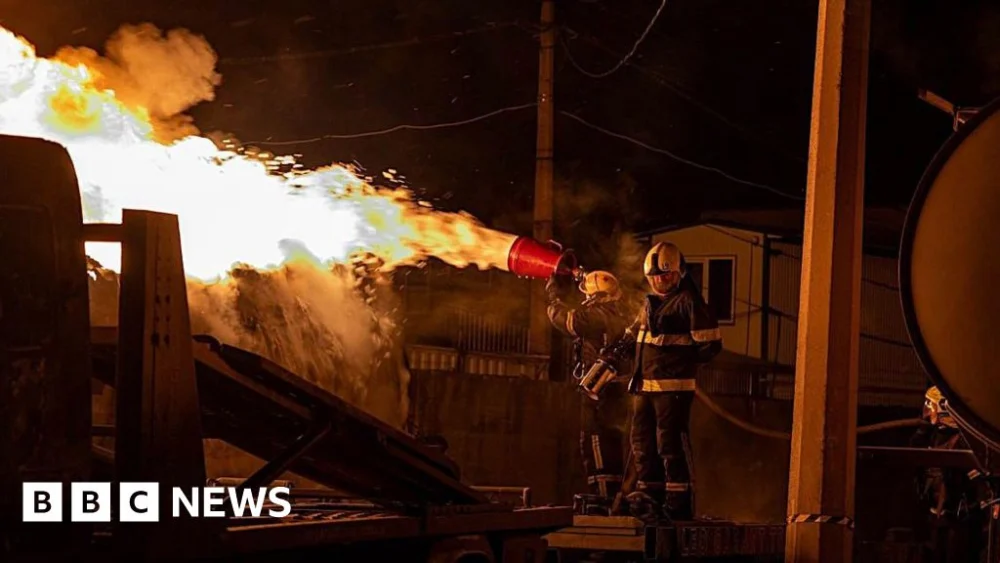
The specter of renewed Russian aggression loomed large over nascent peace talks as Ukraine vehemently condemned a wave of "brutal" overnight strikes that claimed at least one life and injured 23 others. The attacks, described by Ukraine’s Foreign Minister Andrii Sybiha as striking "not only our people, but also the negotiation table," unfolded just as delegations from Russia, Ukraine, and the United States were poised to reconvene for the second day of trilateral discussions in Abu Dhabi, aimed at charting a path toward ending the protracted conflict. This latest barrage of violence underscores the immense chasm that persists, even as diplomatic efforts, however fragile, persist.
The early hours of Saturday morning saw Ukrainian cities subjected to a sustained and devastating assault. In the nation’s capital, Kyiv, the toll was stark: one fatality and four individuals sustained injuries, with three requiring immediate hospitalization. The city’s critical infrastructure bore the brunt of the onslaught, leaving an estimated 6,000 buildings plunged into darkness and without vital heating amidst frigid sub-zero temperatures. This deliberate targeting of energy infrastructure was explicitly acknowledged by President Volodymyr Zelensky, who stated, "The main target of the Russians was the energy infrastructure." This strategic escalation, aimed at crippling civilian life and sowing further despair, serves as a grim reminder of Russia’s ongoing campaign to subjugate Ukraine.
The eastern city of Kharkiv also endured a significant bombardment, with Mayor Ihor Terekhov reporting 19 individuals wounded. The damage extended to a maternity hospital, a critical facility for the care of newborns and expectant mothers, and a hostel providing refuge to displaced persons. These strikes, indiscriminate in their impact, highlight the devastating humanitarian cost of the conflict and Russia’s apparent disregard for civilian populations and essential services. The images emerging from these cities paint a grim picture of destruction and suffering, a stark counterpoint to the diplomatic overtures being made elsewhere.
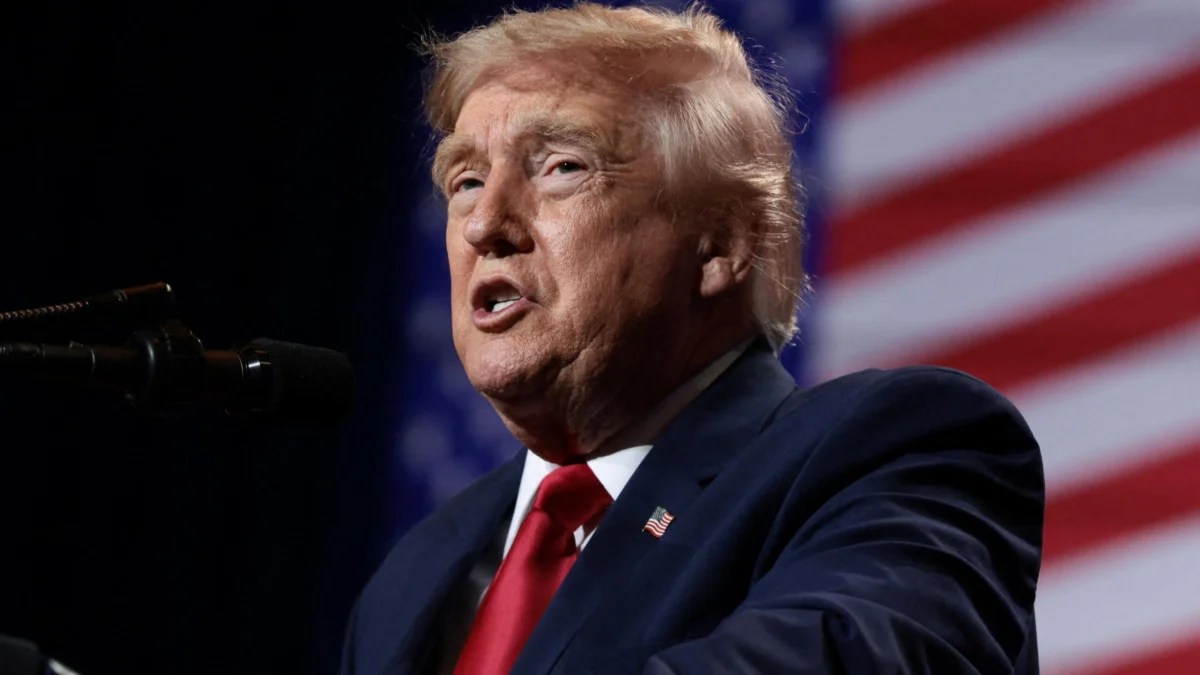
Ukraine’s Foreign Minister, Andrii Sybiha, did not mince words in his condemnation, labeling the overnight assault as "barbaric." He powerfully asserted that such actions proved "that Putin’s place is not at the board of peace, but at the dock of the special tribunal." This fiery denunciation directly references a recent statement by US President Donald Trump, who claimed last week that Russian leader Vladimir Putin had accepted an invitation to join his ‘Board of Peace,’ an initiative purportedly focused on resolving global conflicts. While Putin has not officially confirmed this, Sybiha’s rhetoric suggests a profound skepticism within Kyiv regarding Russia’s genuine commitment to peace, viewing its participation in talks as a cynical maneuver rather than a sincere effort towards de-escalation. The juxtaposition of alleged peace initiatives with continued military aggression fuels a deep sense of distrust and raises questions about the sincerity of Moscow’s engagement.
The trilateral talks in Abu Dhabi, the first of their kind since Russia’s full-scale invasion of Ukraine in February 2022, have been characterized by cautious optimism and underlying tension. A source close to the discussions, speaking to the BBC, indicated that "some progress had been made" on the first day. However, the fundamental issue of territorial integrity remains a formidable and seemingly insurmountable obstacle. Russia currently occupies approximately 20% of Ukrainian territory, including significant portions of the eastern Donbas region. The Kremlin has made it clear that it expects Ukraine to cede large swathes of this land as a prerequisite for any lasting peace agreement. Ukraine, however, has unequivocally ruled out such concessions, viewing them as an unacceptable surrender of its sovereignty and territorial integrity. This irreconcilable difference forms the crux of the diplomatic impasse, casting a long shadow over the potential for a breakthrough.
Rustem Umerov, who is leading the Ukrainian delegation, provided a brief but significant update on social media following the initial day of talks. He stated that the "meeting focused on the parameters for ending Russia’s war and the further logic of the negotiation process aimed at advancing toward a dignified and lasting peace." This statement, while diplomatic, hints at the complex and multi-faceted nature of the discussions. The "parameters for ending Russia’s war" likely encompass a broad range of issues, including security guarantees for Ukraine, reparations for damages, accountability for war crimes, and the eventual withdrawal of Russian forces. The "further logic of the negotiation process" suggests an ongoing debate about the sequencing of these issues and the mechanisms for verifying any agreements. The aspiration for a "dignified and lasting peace" underscores Ukraine’s unwavering resolve to secure a future free from Russian subjugation, a future that respects its sovereignty and national identity.
The ongoing dialogue in Abu Dhabi, set against the backdrop of relentless Russian attacks, represents a critical juncture in the conflict. While the diplomatic arena buzzes with pronouncements and cautious assessments, the reality on the ground for ordinary Ukrainians remains one of fear, destruction, and loss. The resilience of the Ukrainian people, coupled with their unwavering determination to defend their homeland, is a powerful force. However, the continued violence and the deeply entrenched territorial disputes present a daunting challenge to any peace initiative. The world watches with bated breath, hoping that the dialogue, however fraught with peril, can ultimately pave the way for an end to the brutal war, but the events of Saturday morning serve as a stark and sobering reminder of the immense difficulties that lie ahead. The path to peace is clearly paved with sacrifice, and the resolve of Ukraine in the face of such barbarity will undoubtedly shape the ultimate outcome. The question remains whether diplomacy can prevail over the destructive impulses that continue to fuel this devastating conflict.



 Roy Suryo

 Nakalama John
 atisusanti
 Ramos Leo
