
 George Anjay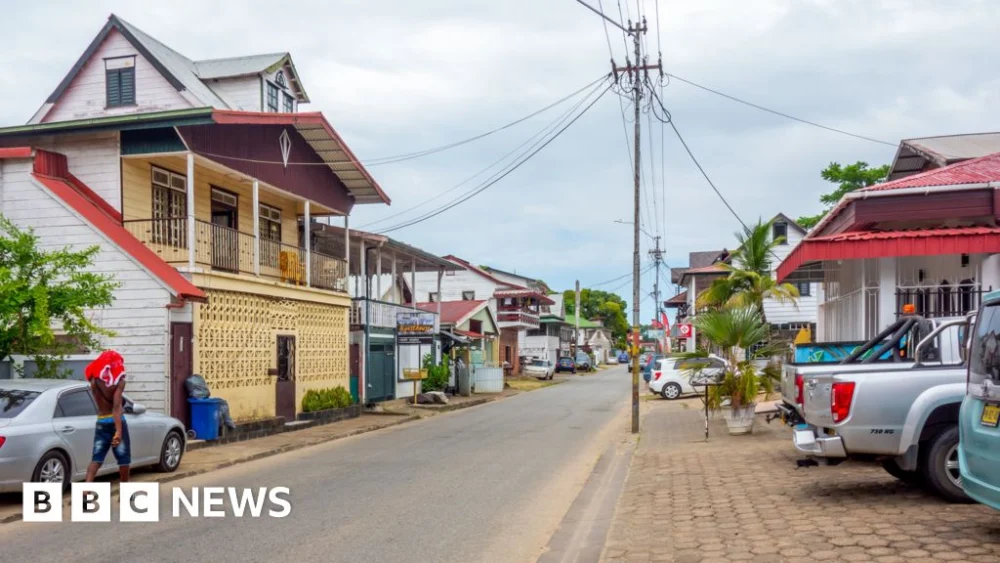
Nine individuals, tragically including five young children, were brutally stabbed to death on the outskirts of Suriname’s capital, Paramaribo, in an act of violence that has sent shockwaves through the nation. The horrific incident, which occurred on Saturday night, also left another adult and a child with severe injuries, necessitating their immediate hospitalization. City police, responding to the grim scene, were forced to shoot a male suspect in the leg before detaining him. The suspect, who is now under police guard, was also transported to the hospital for treatment of his wound.
Initial reports from local media, citing both official sources and eyewitness accounts from residents, have begun to paint a picture of a perpetrator who may have been struggling with significant mental health challenges. While official confirmation of these details is pending further investigation, the speculative nature of these early reports highlights the profound shock and search for understanding that often accompanies such inexplicable acts of violence. The profound personal toll of this tragedy was underscored by Suriname’s President, Jennifer Geerlings-Simons, who revealed that the victims included members of the suspect’s own family and his neighbors.
President Geerlings-Simons issued a heartfelt statement expressing her deep sorrow and solidarity with the grieving families and the nation as a whole. "At a time when family and friends should be holding on to and supporting each other, we are confronted with the harsh reality that there is another side to the world," she stated, her words reflecting the profound sense of loss and disbelief. She continued, "I wish all the bereaved much strength, courage and comfort during this unimaginably difficult time." Her statement serves as a somber acknowledgment of the devastating impact of this event and a plea for collective resilience in the face of immense suffering.
As the nation grapples with this unspeakable tragedy, law enforcement officials have assured the public that more comprehensive details surrounding the circumstances of the incident will be released as the investigation progresses. The nature of the attack, particularly the targeting of innocent children and family members, raises deeply disturbing questions about the motives and mental state of the assailant. The investigation will undoubtedly delve into the suspect’s background, his relationships with the victims, and any potential contributing factors that may have led to this horrific act.
The Republic of Suriname, a vibrant nation nestled on the northeastern coast of South America, is known for its rich cultural diversity and lush rainforests. However, its history is not without its scars. Since gaining independence from the Netherlands in 1975, Suriname has navigated periods of political instability, including several coups and a civil war. These historical challenges have shaped the nation’s social fabric, and while the country has made significant strides in its development and democratic institutions, the lingering effects of past turmoil can sometimes surface in complex ways.
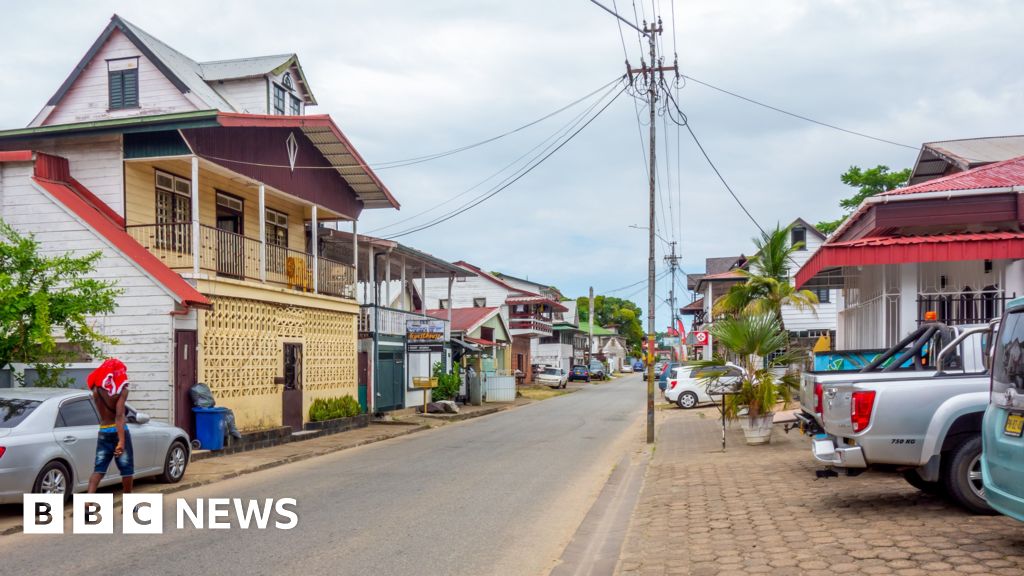
The rarity of such violent incidents in Suriname further amplifies the shock and horror of this event. Statistics indicate that Suriname has among the lowest rates of stabbing deaths globally, making this particular tragedy an anomaly that is difficult for the community to comprehend. In a country where knife crime is not a prevalent issue, the sheer brutality and scale of this attack are particularly jarring. This stark contrast to the norm underscores the exceptional and deeply disturbing nature of what has transpired.
The immediate aftermath of the attack has seen an outpouring of grief and a collective sense of shock from across Suriname. Community leaders, religious figures, and ordinary citizens have expressed their condolences and offered support to the affected families. The close-knit nature of Surinamese society means that such a loss is felt deeply by many, even those not directly related to the victims. Vigils and prayer gatherings are expected to be held as the nation mourns its youngest and most vulnerable.
The investigation will likely focus on several key areas. Firstly, understanding the mental state of the suspect is paramount. Authorities will seek to determine if he had a history of mental illness, if he was receiving treatment, and if any warning signs were present. This aspect is crucial not only for the legal proceedings but also for informing public health strategies and support systems within the community. Secondly, the investigation will meticulously reconstruct the events of that fateful night, examining the timeline, the sequence of attacks, and the immediate response of the authorities. Forensic evidence and witness testimonies will be critical in establishing a clear picture of what occurred.
Thirdly, the relationships between the suspect and the victims will be a focal point. The fact that the president confirmed the victims included his family and neighbors suggests a deeply personal and complex motive, rather than a random act of violence against strangers. Exploring these interpersonal dynamics, any disputes, or underlying tensions could provide vital clues. The investigation will also consider whether any other individuals were involved or if there were any external factors that may have influenced the suspect’s actions.
The response from international bodies and neighboring countries is also anticipated, offering support and expertise in dealing with such a profound national tragedy. The United Nations and regional organizations often provide assistance in the wake of major crises, including psychological support for victims and their families, as well as aid for law enforcement investigations.
In the coming days and weeks, Suriname will undoubtedly be grappling with the profound implications of this massacre. Beyond the immediate grief and the pursuit of justice, the nation will need to engage in a broader conversation about mental health support, community safety, and the resilience of its social fabric. The horrific events of Saturday night serve as a stark reminder of the fragility of peace and the devastating consequences that can arise when individuals fall through the cracks of societal support systems. The strength and unity of the Surinamese people will be tested as they come together to heal and to ensure that such a tragedy is never repeated. The long road to recovery will involve not only addressing the immediate trauma but also fostering a society that is more vigilant, supportive, and equipped to prevent such unfathomable acts of violence from ever occurring again. The details of the investigation, when fully disclosed, will hopefully provide clarity and a path towards understanding, even as the deep wounds inflicted by this senseless act will take a very long time to heal. The world watches with sorrow as Suriname navigates this dark chapter, hoping for a future where the safety and well-being of all its citizens, especially its children, are unequivocally protected.



 Roy Suryo

 Nakalama John
 atisusanti
 Ramos Leo
