
 George Anjay
Lebanon’s President Michel Aoun has put forth a bold proposal for direct negotiations with Israel, aiming to de-escalate the intensifying conflict with Hezbollah and establish lasting security arrangements along their shared border. The initiative, presented during a virtual meeting with senior European Union officials, marks a significant diplomatic push from Beirut amid escalating hostilities that have displaced hundreds of thousands and inflicted widespread destruction. Aoun, in a candid address, also sharply criticized Hezbollah, the Iran-backed militant group, accusing it of acting against Lebanon’s national interests and dragging the country into a wider regional conflagration.
A spokesperson for President Aoun confirmed to the BBC that Lebanon was "ready to negotiate," but emphasized that such discussions could not realistically commence while the nation remained under Israeli bombardment. The president’s four-point plan outlines a comprehensive approach to peace, beginning with a "complete truce" that would run concurrently with the disarmament of Hezbollah. This crucial element would be supported by international assistance to bolster the Lebanese Armed Forces, empowering them to reassert control over areas of heightened tension. "And simultaneously," the statement detailed, "Lebanon and Israel [to] begin direct negotiations under international sponsorship, in order to execute the aforementioned plan."
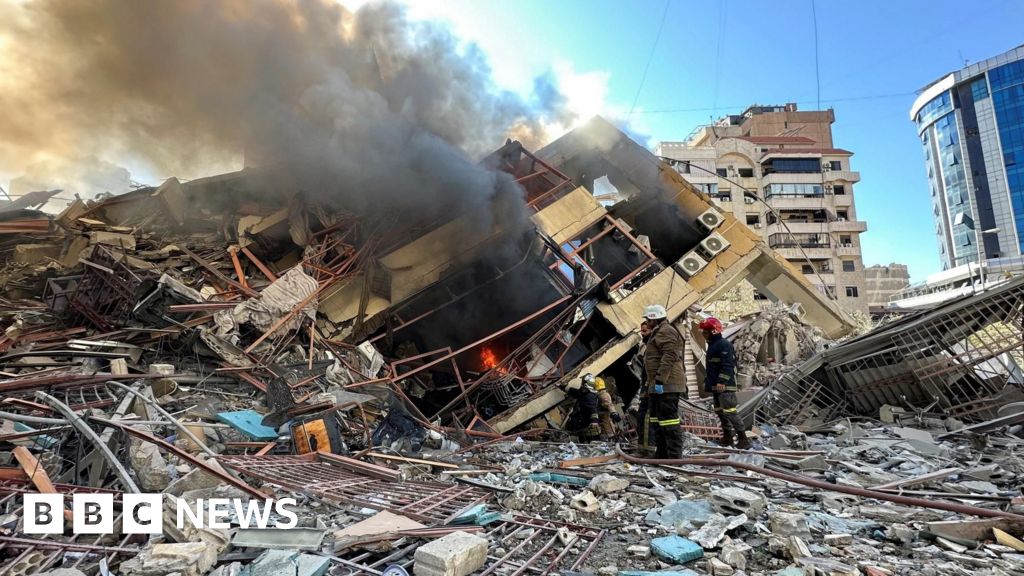
Despite this overture, Israeli officials have thus far shown little inclination towards direct talks, and the government had not immediately commented on Aoun’s proposal. The plan comes at a dire moment for Lebanon, which has been reeling from the devastating impact of the conflict. According to United Nations figures, over 700,000 people, including a staggering 200,000 children, have been displaced from their homes. The UN also reported hundreds of fatalities resulting from Israeli strikes over the preceding nine days, with many of the displaced facing dire humanitarian conditions. "Some of them are on the roads. They have no shelter and not even the most basic necessities of life," President Aoun lamented, painting a grim picture of the humanitarian crisis unfolding.
In an unusually direct and critical assessment of Hezbollah, President Aoun accused the powerful Shia militia and political movement of prioritizing its own agenda over the well-being and security of Lebanon. He characterized Hezbollah, referring to it as an "armed faction," as an entity that "gives no weight to Lebanon’s interests or to the lives of its people," suggesting a desire for "the collapse of the Lebanese state under aggression and chaos." These remarks follow the Lebanese government’s recent declaration that Hezbollah’s military operations are illegal, though it acknowledges its current inability to disarm the group unilaterally.
The diplomatic tension is palpable. Israeli Prime Minister Benjamin Netanyahu had previously addressed the Lebanese government directly via social media platform X, stating, "It is your responsibility to enforce the ceasefire agreement and it is your responsibility to disarm Hezbollah." Echoing this sentiment, Joshua Zarka, Israel’s ambassador to France, asserted on Tuesday that Beirut had not taken "meaningful steps toward disarming the group." He added, "At this stage, I’m not aware of any decision to enter negotiations to end this war. What would end it is the disarmament of Hezbollah – and that is a choice for the Lebanese government."
A ceasefire, brokered in November 2024 by the United States and France, had offered a flicker of hope but has largely failed to stem the tide of violence. Israel has continued its near-daily airstrikes into Lebanon, citing Hezbollah’s alleged efforts to rearm and reconstitute its presence. The current escalation was triggered two days after a joint US-Israeli attack on Iran. In retaliation, Hezbollah launched a barrage of rockets and drones into northern Israel, stating it was a response to the killing of Iran’s Supreme Leader, Ayatollah Ali Khamenei, and the ongoing Israeli military actions.
However, President Aoun presented a different narrative, describing Hezbollah’s actions as a deliberate provocation designed to draw the Israeli military into a wider conflict and further destabilize Lebanon and its army. Israel, in turn, has framed Hezbollah’s initial attack as justification for a broader campaign, which has included extensive airstrikes and commando raids within Lebanese territory. The stated objective of this campaign, according to Israeli authorities, is the complete disarmament of Hezbollah. The group, however, has vowed to continue its attacks on Israel, regardless of the consequences.
The human cost of this escalating conflict is immense. The Lebanese Ministry of Health reports that at least 486 people have been killed in Israeli attacks in Lebanon since the current hostilities began. On the Israeli side, the military has confirmed the deaths of two soldiers in combat operations in southern Lebanon. For the civilian populations caught in the crossfire, the conflict has brought renewed waves of fear and desperation.
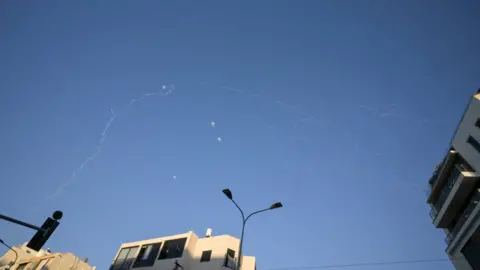
Ahmed al-Halabi, a father of two from the Dahieh suburb of south Beirut, recounted a harrowing escape with his extended family amidst the deafening roar of missiles. "We were running away from the bombing! There’s no safety!" he told the BBC, his voice thick with anguish. "I have little kids and the living conditions were already bad. You can only imagine how it is during wartime. I just want to keep my kids safe." Ahmed and his family are now among the displaced, seeking refuge in a school in the capital that has been converted into a makeshift shelter. The psychological toll on the younger generation is profound. "This is the second time my kids have experienced this and they have developed psychological trauma," Ahmed shared, his gaze distant. "The adults can live with this. The kids cannot." The current situation underscores the urgent need for a diplomatic resolution to prevent further suffering and to rebuild a shattered nation.


 Nakalama John
 atisusanti
 Ramos Leo
 Roy Suryo
 Nana Banana