George Anjay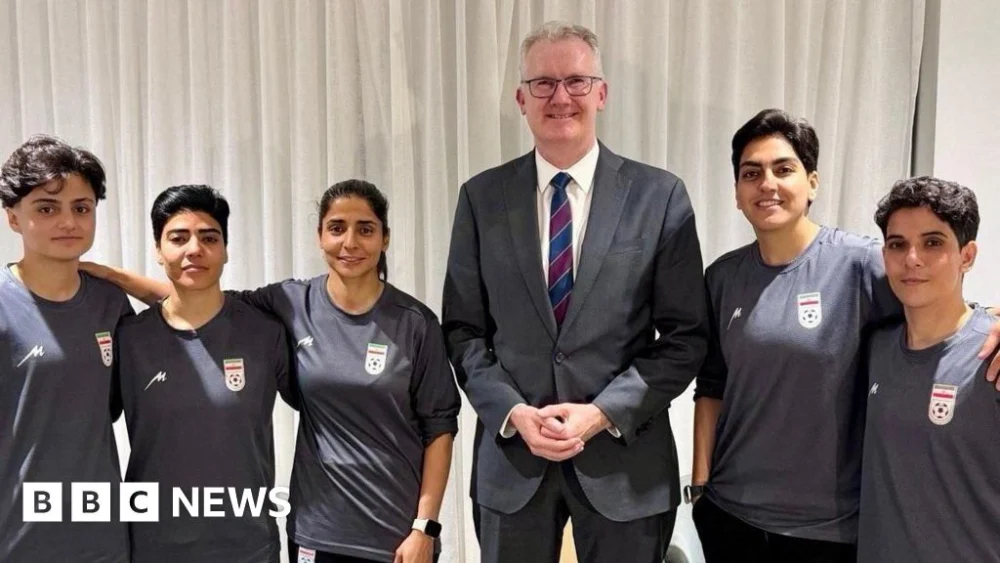
Five members of the Iranian women’s football team have been granted humanitarian visas in Australia following their elimination from the Asian Cup, the Australian government confirmed on Tuesday. The women, who had expressed fears for their safety after declining to sing their national anthem ahead of a match, have been moved to a secure location by Australian police, with Immigration Minister Tony Burke stating that other squad members have also been offered the opportunity to remain in the country.
The decision follows significant public and political pressure after the team’s refusal to sing the anthem prior to their match against South Korea last week. This act of defiance drew criticism in Iran, with one conservative commentator reportedly labelling the players "wartime traitors" and advocating for severe punishment. Australia’s humanitarian visa program offers permanent protection to individuals in need of humanitarian assistance, allowing them to live, work, and study in the country.
The remaining members of the Iranian squad were taken to Gold Coast Airport and were expected to travel to Sydney later that evening. Earlier, the team’s coach encountered a blockade by dozens of activists who attempted to persuade the other players to stay in Australia. Protesters lay on the ground in an effort to impede the coach’s movement, while the players observed from inside the bus.
Immigration Minister Tony Burke confirmed the identities of the five players granted visas as Fatemeh Pasandideh, Zahra Ghanbari, Zahra Sarbali, Atefeh Ramazanzadeh, and Mona Hamoudi. He emphasized that the players identify as athletes seeking safety rather than political activists and that discussions regarding their situation had been ongoing for several days. Burke detailed that on Monday, it became clear that five women wished to remain in Australia. They departed their hotel the same day and were escorted to a safe location by police. Shortly after their departure, minders were observed attempting to locate them, but they had already left.
Minister Burke met with the five players at the safe location and subsequently approved their applications for humanitarian visas, a process completed around 1:30 AM local time on Tuesday. The potential repercussions for the players’ families in Iran remain unclear. Burke extended an invitation to the remaining team members, stating, "The same opportunity is there. Australia has taken the Iranian women’s soccer team into our hearts. These women are tremendously popular in Australia." He acknowledged the difficult situation they face in making their decisions.
Australian Prime Minister Anthony Albanese later confirmed the granting of humanitarian visas to the five players. On Sunday evening, hundreds of supporters had surrounded the Iranian Lionesses’ coach as it departed the stadium on the Gold Coast, chanting "save our girls."
Adding to the international attention, former US President Donald Trump took to his Truth Social platform on Monday, urging Australia to grant asylum to the women and stating that the United States would take them if Australia did not. Approximately an hour later, Trump posted again, indicating he had spoken with Australian Prime Minister Anthony Albanese and that five players had already been "taken care of," with the rest "on their way." Trump’s posts also suggested that some players feared for the safety of their families back in Iran, which influenced their decision to return. He commended Prime Minister Albanese’s handling of the "delicate situation." The Trump administration had previously placed all asylum decisions on hold and halted immigrant visas for citizens of numerous countries, including Iran, citing a desire to end system abuse.
Craig Foster, a former captain of the Australian men’s football team and a prominent human rights advocate, expressed his concerns about the players’ safety, stating that activists had "very reasonable and serious concerns for their safety." He emphasized that athletes participating in FIFA-regulated tournaments should have the right to safety and external support to express any concerns they may have.
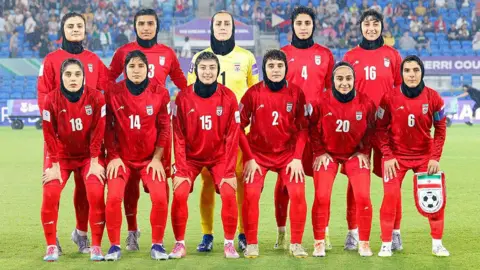
In their subsequent matches against Australia and the Philippines, the Iranian team sang and saluted during the national anthem, leading to speculation that they had been compelled to do so by government officials. Deniz Toupchi, who attended their final match to support the team, expressed surprise at their initial silence, acknowledging the significant nature of such an act. "We’re just proud of them," she stated. Toupchi was among hundreds of Iranian community members in Australia who booed and jeered during the anthem, which they do not recognize. During the match, many unfurled the Lion and Sun flag, a pre-Islamic revolution symbol, despite signs prohibiting its display. While fans enthusiastically supported the players, direct interaction during the match was minimal, with one player blowing a kiss to the stands during a medical timeout. At the end of the match, the Iranian team left the pitch promptly, unlike the Filipina team who thanked their supporters.
"They can’t speak freely because they are threatened," said Naz Safavi, who attended all three of the team’s matches, highlighting the fans’ role in showing support. The growing concern over the players’ potential treatment upon their return home fueled a push for them to seek asylum in Australia. Foster, who played a key role in assisting the Afghanistan women’s team to flee the Taliban in 2021, noted that while some players might have concerns about their families, the offer of asylum should be made.
In the post-match press conference on Sunday, the team’s manager, Marziyeh Jafari, expressed an eagerness to return home. "The Australian government should play a [role of] moral leadership here," stated Zaki Haidari, Refugee Rights Advocate at Amnesty International Australia, emphasizing the significance of the situation on International Women’s Day and its connection to discussions about freedom, equality, and gender persecution.
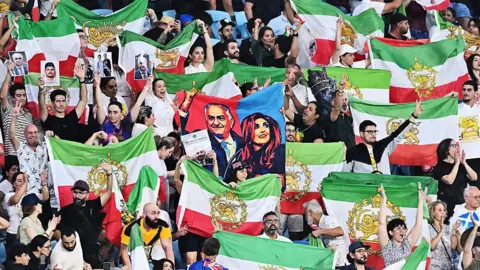
This sentiment was echoed by fans at the stadium. "We are encouraging them, hoping they will stay here but at the same time we know their families’ lives are in danger," said Melika Jahanian, acknowledging the difficult choices the players face and the need for Australian government support.




 Roy Suryo
 Nakalama John
 atisusanti
 Ramos Leo