
 George Anjay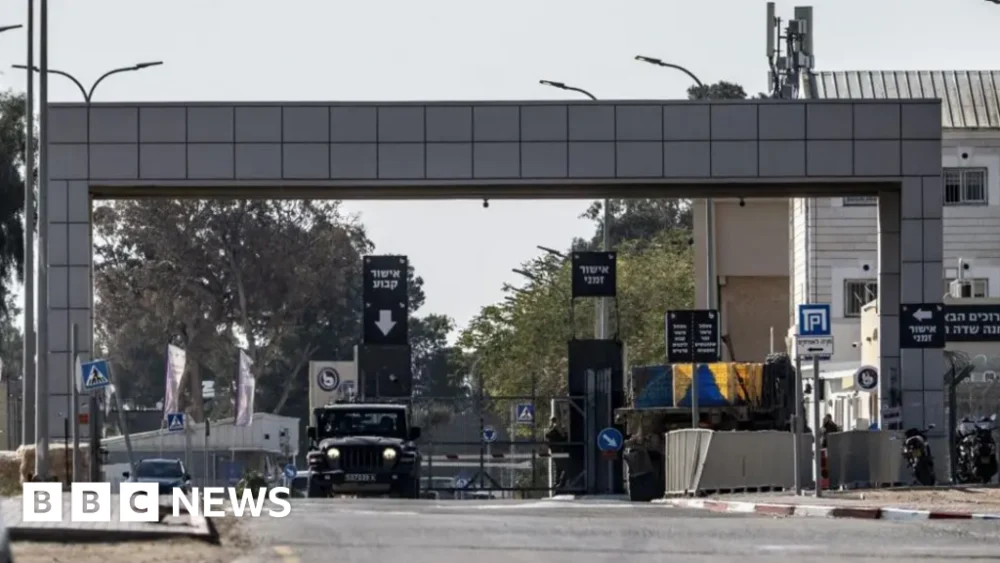
Israel’s most senior military lawyer has announced the dropping of all charges against five soldiers who were accused of sexually abusing a Palestinian detainee from Gaza. The military cited "exceptional circumstances that negatively affected the ability to prosecute the case while also preserving the right for a fair trial of the defendants" as the primary reason for withdrawing the indictments. This decision has drawn praise from Prime Minister Benjamin Netanyahu, who lauded it as an end to a "blood libel," asserting that "the State of Israel must hunt down its enemies – not its heroic fighters." However, the move has been met with strong condemnation from human rights activists, who argue that the abuse of Palestinians in Israeli detention facilities is systematic and rarely subjected to proper investigation.
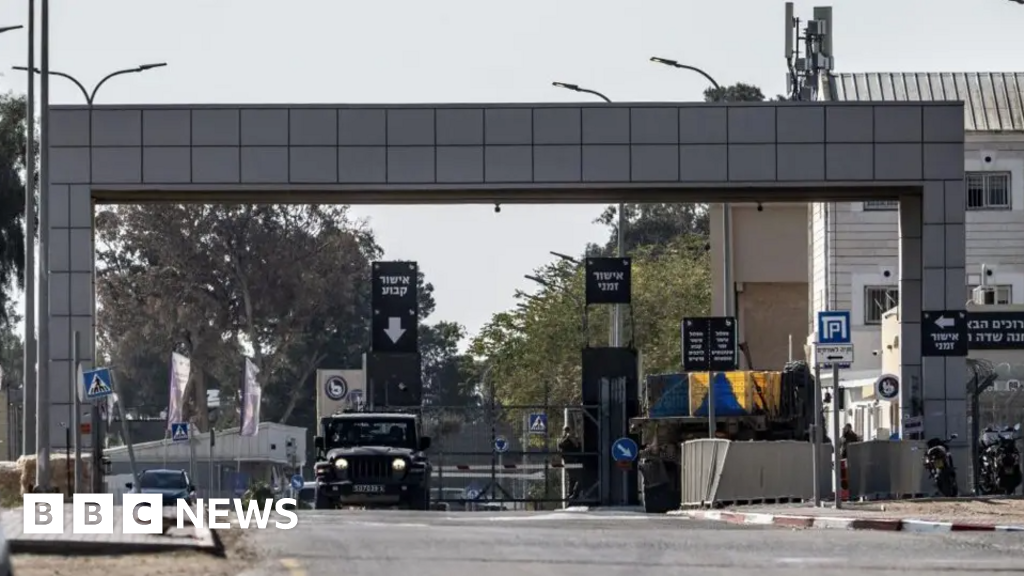
The alleged incident took place at the Sde Teiman military base in southern Israel, which was established to hold Palestinians detained during the ongoing war in Gaza, following the Hamas-led attack on October 7, 2023. In August 2024, an Israeli television channel broadcast leaked CCTV footage purportedly showing guards at the facility abusing a detainee. The video depicted a group of guards confronting the detainee, pushing him against a wall, and then obscuring him from view with their riot shields. At the time, the military stated that five guards were accused of "acting against the detainee with severe violence, including stabbing the detainee’s bottom with a sharp object, which had penetrated near the detainee’s rectum." The detainee reportedly suffered "cracked ribs, a punctured lung, and an inner rectal tear."
The leak of the CCTV footage was reportedly orchestrated by the then-Israeli Military Advocate General, Maj Gen Yifat Tomer-Yerushalmi, a move that led to her subsequent resignation and arrest. In her resignation letter, Tomer-Yerushalmi explained that she had authorized the leak in an effort to "counter false propaganda against the army’s law enforcement authorities," a statement seen as a response to claims from some right-wing politicians who suggested the allegations were fabricated.
Her successor, Maj Gen Itai Ofir, announced the dropping of charges on Thursday, citing "significant developments." The Israel Defense Forces (IDF) elaborated on the decision, stating that it was influenced by a confluence of factors. These included the complexity of the evidence, "extremely exceptional and unprecedented circumstances due to conduct by certain senior officials in the Military Advocate General’s Corps," difficulties in transferring investigative material from the police, and the fact that the detainee had already been released and returned to Gaza in October. The Chief of the General Staff, Lt Gen Eyal Zamir, has reportedly instructed IDF personnel to "draw lessons and to take all the requested steps to prevent similar cases."
The condemnation from human rights organizations has been swift and forceful. Sari Bashi, executive director of the Public Committee Against Torture in Israel, an NGO, accused the military of orchestrating a "whitewash." She told the Associated Press that "Israel’s military advocate general just gave his soldiers license to rape – so long as the victim is Palestinian." Bashi characterized the decision as "the latest in a long line of actions that whitewash abuses against detainees whose frequency and severity have worsened" since October 7, 2023.
These allegations echo broader concerns raised by international bodies. In November of the previous year, the United Nations Committee Against Torture expressed deep concern regarding reports of "a de facto state policy of organised and widespread torture and ill-treatment" of Palestinian detainees in Israeli jails. The committee noted that these allegations had "gravely intensified" following the events of October 7, 2023.
Despite these international concerns and the accusations from human rights groups, the Israeli government has consistently rejected claims of widespread ill-treatment and torture of detainees. Officials maintain that Israel is fully committed to upholding international legal standards in its handling of all detainees. The backdrop to these accusations is the ongoing conflict in Gaza, which has led to a significant increase in detentions and heightened scrutiny of Israel’s military and security practices. The establishment of the Sde Teiman facility itself underscores the unprecedented scale of detentions during this period.
The legal ramifications of the leaked video and the subsequent investigation highlight internal tensions within the Israeli military and legal establishment. The resignation of Maj Gen Tomer-Yerushalmi and her subsequent arrest point to a complex internal struggle over how to handle allegations of misconduct by soldiers, particularly in the highly charged context of the ongoing conflict. Her justification for the leak—to counter what she perceived as false narratives—suggests a perception of external pressure and a desire to control the public discourse surrounding the actions of the IDF.
The decision to drop charges, however, raises serious questions about accountability and justice for victims of alleged abuse. Human rights advocates argue that such decisions undermine the rule of law and embolden perpetrators, creating a climate of impunity. The severity of the alleged injuries sustained by the detainee—including cracked ribs, a punctured lung, and an inner rectal tear—underscores the gravity of the accusations and makes the dropping of charges particularly contentious. The fact that the detainee was later released and returned to Gaza complicates the investigative process, but critics argue it should not preclude a thorough and impartial examination of the alleged abuses.
The involvement of "senior officials in the Military Advocate General’s Corps" in the circumstances surrounding the case, as cited by the IDF, further suggests a deeper institutional dimension to the issues at play. The complexity of the evidence and difficulties in transferring investigative material from the police indicate systemic challenges within the legal and investigative framework. These challenges, coupled with the alleged actions of senior officials, paint a picture of a deeply troubled process.
The broader context of the conflict, with its intense propaganda battles and competing narratives, undoubtedly influences public opinion and political discourse surrounding these events. Prime Minister Netanyahu’s strong defense of the soldiers, framing the allegations as a "blood libel," reflects a segment of Israeli society that views such accusations as politically motivated attacks on the military. Conversely, human rights organizations and international bodies see these allegations as crucial indicators of potential violations of international humanitarian law and human rights.
The UN Committee Against Torture’s statement, highlighting a "de facto state policy of organised and widespread torture and ill-treatment," provides a stark warning about the potential for systematic abuse. While Israel disputes these findings, the consistent reporting of such allegations from various sources warrants serious consideration. The intensification of these reports after October 7, 2023, suggests a correlation between the escalating conflict and the treatment of detainees.
The case of the five soldiers at Sde Teiman thus becomes a microcosm of larger debates surrounding accountability, human rights, and the conduct of military operations in conflict zones. The decision to drop charges, while justified by the military on procedural and exceptional grounds, leaves a significant scar on the pursuit of justice for the alleged victim and raises profound questions about the effectiveness of oversight and accountability mechanisms within the Israeli military. The call from Lt Gen Eyal Zamir to "draw lessons" and "prevent similar cases" is a recognition that, regardless of the legal outcome, the events at Sde Teiman have exposed vulnerabilities and necessitated a review of practices and procedures. However, for critics, the dropping of charges signals a failure to learn the necessary lessons and a continuation of a pattern of impunity.



 Roy Suryo

 Nakalama John
 atisusanti
 Ramos Leo
