
 Nana Banana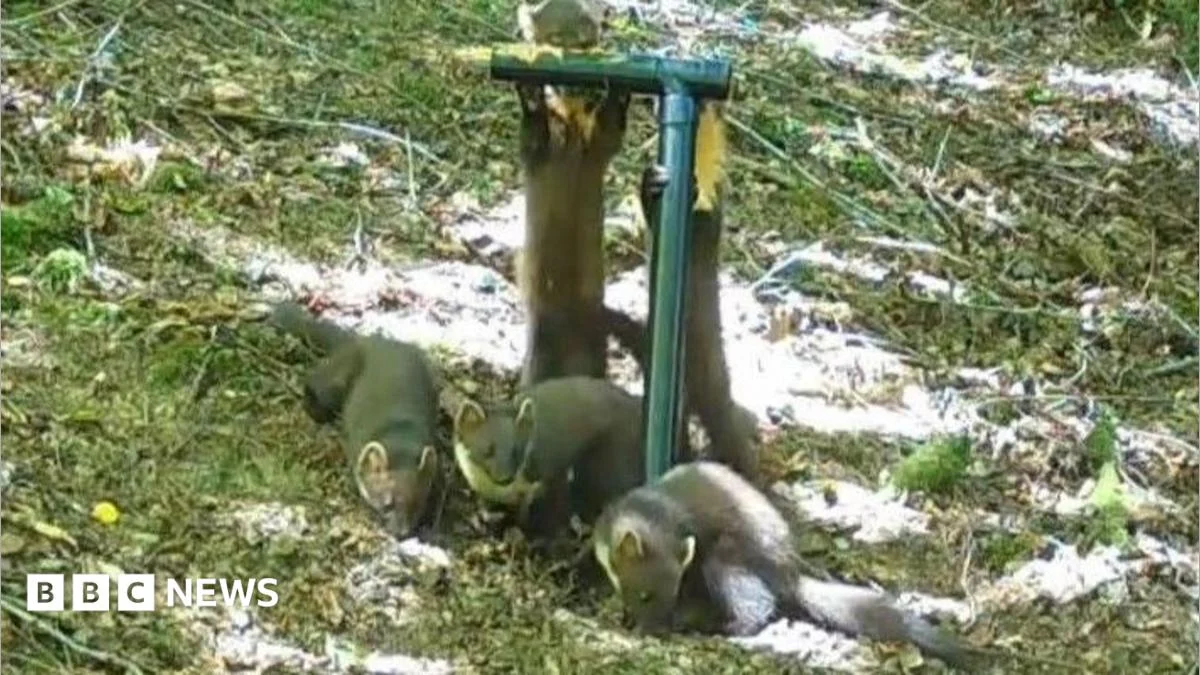
The historical plight of the pine marten (Martes martes) in England and Wales is a stark reminder of past ecological mismanagement. Once widespread across Britain, their numbers plummeted dramatically from the 18th century onwards, largely due to persecution by gamekeepers, who viewed them as pests, and the relentless loss of their ancient woodland habitats. By the early 20th century, they were largely confined to remote parts of the Scottish Highlands, with only isolated pockets clinging on in parts of northern England and Wales. The South West, with its fragmented woodlands and agricultural expansion, saw their complete disappearance, leaving a significant void in the region’s native biodiversity. The current reintroduction project aims to reverse this historical decline, restoring a crucial predator to its rightful place within the ecosystem.
Conservationists involved in the project have consistently highlighted the inherently shy and elusive nature of pine martens, describing them as highly mobile and exceptionally difficult to observe in the wild. This innate stealth makes the discovery of breeding kits all the more remarkable and a testament to the animals’ successful adaptation to their new environment. Pine martens are slender, agile carnivores, typically measuring between 45-58 cm in body length with a bushy tail almost as long as their body. Their fur is a rich chocolate brown, often adorned with a distinctive creamy-yellow bib that extends from their chin down to their chest. They are primarily arboreal, boasting exceptional climbing abilities thanks to their semi-retractable claws, allowing them to navigate complex woodland canopies with ease. Their diet is varied, consisting of small mammals like voles and squirrels, birds, insects, eggs, and seasonal fruits and berries, making them opportunistic omnivores with a vital role in natural pest control.
Ali North, a dedicated field officer at the project for Exmoor, articulated the immense excitement surrounding the discovery. "We were incredibly excited to finally see kits after so many months of intensive monitoring," she shared, her words encapsulating the collective relief and triumph of the entire team. The observation of kits is the ultimate indicator of a successful reintroduction, signifying not just survival but thriving and reproduction – the cornerstone of establishing a viable population. The challenges of monitoring such a cryptic species cannot be overstated; it involves painstaking effort, deploying sophisticated remote camera traps, extensive scat analysis, and careful tracking, often across vast and challenging terrains.
The success witnessed on Exmoor and Dartmoor is not solely attributable to the dedication of conservation professionals. It has been profoundly bolstered by an extensive and enthusiastic community effort, a critical component of any ambitious rewilding initiative. Local people have played an indispensable role, contributing their time, skills, and local knowledge to a series of key tasks. This community involvement has ranged from the practical construction and strategic placement of pine marten den boxes – artificial shelters designed to mimic natural denning sites and provide safe havens for breeding females and their young – to the crucial installation and regular checking of remote cameras, which are instrumental in gathering vital data on the martens’ movements, behavior, and reproductive success. Landowners have granted access, volunteers have trekked through woodlands, and local residents have become vigilant observers, all contributing to the intricate web of support that underpins this ambitious project. This collaborative spirit transforms a scientific endeavor into a shared community heritage project, fostering a sense of ownership and pride in the return of a native species.
Despite the undeniably exhilarating breeding success now confirmed on both Exmoor and Dartmoor, project members have issued a cautious but necessary reminder: the animal’s comeback to the region is still in its nascent, fragile stages. Establishing a truly robust and self-sustaining population is a long-term endeavor fraught with potential challenges. Threats include habitat fragmentation, which can isolate populations and limit genetic exchange, road mortality as mobile martens traverse human infrastructure, and potential human-wildlife conflicts, though these are rare given their shy nature. The initial population numbers are still small, making them vulnerable to stochastic events such as disease outbreaks or unusually harsh weather conditions. Therefore, continued intensive monitoring, habitat enhancement, and sustained public engagement are paramount to safeguard these nascent populations.
The "fantastic sign" of breeding kits signifies that the introduced martens are not merely surviving but are adapting to their new landscape, finding suitable mates, locating safe denning sites, and successfully raising young. This biological validation is crucial for the long-term viability of the project. A healthy, breeding population contributes to genetic diversity, reducing the risks associated with inbreeding and increasing the resilience of the species to environmental changes. Furthermore, the return of pine martens can have significant ecological benefits. They are natural predators of grey squirrels, an invasive species that outcompetes native red squirrels and damages trees. By helping to control grey squirrel populations, pine martens can indirectly support the recovery of red squirrels and contribute to woodland health.
The broader context of pine marten conservation in the UK provides further optimism. Successful reintroduction projects in other parts of Britain, notably in Wales and ongoing efforts in Scotland, have demonstrated the species’ capacity to recover when given the right conditions and support. Lessons learned from these projects, including best practices for translocation, post-release monitoring, and managing human interactions, are invaluable to the South West initiative. The long-term vision for Exmoor and Dartmoor is to establish a connected network of viable pine marten populations across the South West, allowing for natural dispersal and genetic flow, which is crucial for their enduring presence. This will require not only the continued dedication of conservationists and local communities but also ongoing research into their ecological impacts, particularly their role in shaping woodland ecosystems and influencing prey dynamics. The journey is far from over, but the cries of pine marten kits echoing through the ancient woodlands of Exmoor offer a powerful and hopeful symphony for the future of British wildlife.




 Nakalama John
 atisusanti
 Ramos Leo
 Roy Suryo
 George Anjay