Nana Banana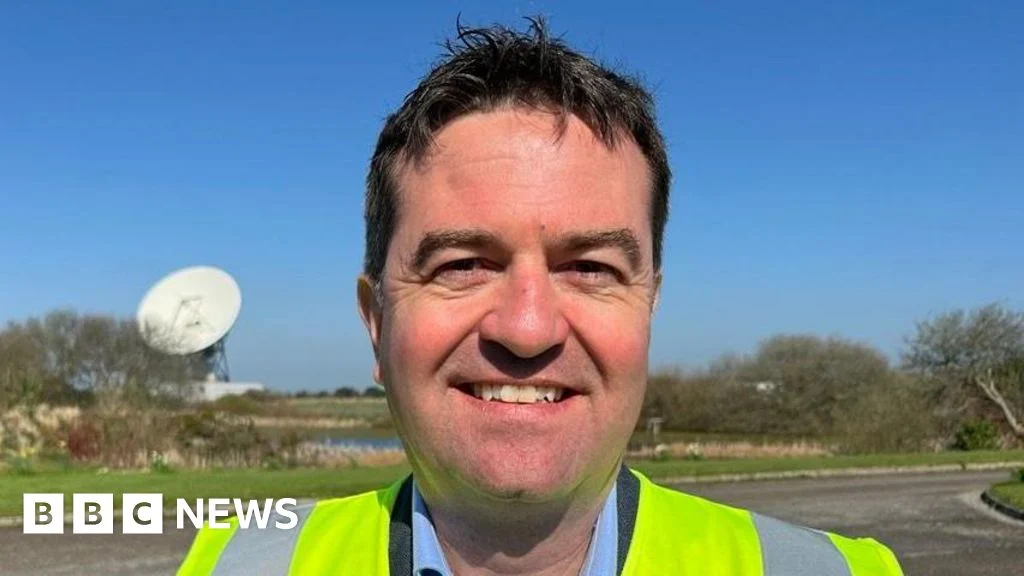
Cornwall, a region often celebrated for its stunning coastlines and rich mining heritage, is now asserting its pivotal role in the future of space exploration, with its iconic Goonhilly Earth Station once again providing critical support for NASA’s ambitious lunar missions. This historic satellite earth station, nestled on the Lizard Peninsula near Helston, is poised to become an indispensable component in tracking the Orion spacecraft as it embarks on the groundbreaking Artemis II mission, a crewed journey around the Moon and back to Earth. The involvement of Goonhilly underscores its enduring significance in global space communications, cementing its status as a vital link in humanity’s return to the Moon and beyond.
Goonhilly’s contribution to Artemis II builds upon its successful track record, having previously provided crucial communication and tracking support for NASA’s uncrewed Artemis I mission in 2022. That initial venture saw the Orion capsule complete a 25-day journey around the Moon, testing the spacecraft’s systems and heat shield before its splashdown in the Pacific Ocean. Goonhilly’s ability to seamlessly integrate into NASA’s Deep Space Network (DSN) operations during Artemis I proved its advanced capabilities and reliability, earning it an invitation to participate in the more complex, crewed follow-up mission. This consistent engagement highlights the station’s robust infrastructure and the expertise of its personnel in handling the unique challenges of deep space communication.
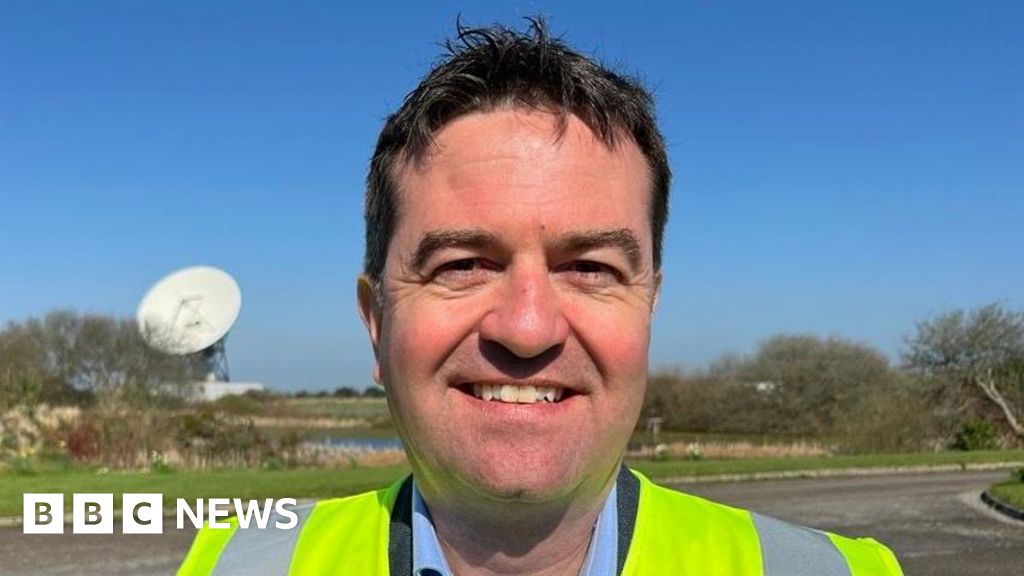
Matthew Cosby, Chief Technology Officer at Goonhilly Earth Station, elaborated on the station’s frequent involvement in extraterrestrial endeavors. "We regularly support about three or four deep space missions at any given time," he stated, emphasizing the station’s ongoing commitment to a variety of international space agencies and commercial ventures. Goonhilly’s strategic importance dates back to its inception, with its infrastructure meticulously designed for long-range communications. "The infrastructure was here right from the beginning; it’s a great location because we are high up above the sea, we have a great view of the horizon," Cosby explained. This elevated coastal position minimizes radio interference and provides an unobstructed line of sight to orbiting spacecraft and distant probes, a crucial factor for maintaining consistent contact with missions traversing millions of miles. Furthermore, the station benefits from a dedicated and highly skilled workforce. "We have great people who can operate the antennas; we have been a part of the space industry for decades," Cosby added, highlighting the blend of legacy knowledge and cutting-edge expertise that defines Goonhilly’s operational prowess.
The Artemis II mission is a landmark step in NASA’s broader Artemis program, which aims to return humans to the lunar surface for the first time since 1972, with the ultimate goal of establishing a sustainable presence on the Moon and paving the way for human missions to Mars. Artemis II will carry four astronauts – Commander Reid Wiseman, Pilot Victor Glover, Mission Specialist Christina Koch, and Canadian Space Agency astronaut Jeremy Hansen – on a meticulously planned trajectory around the Moon. This crewed flyby will serve as a critical test of Orion’s life support systems, navigation, and communication capabilities with humans on board, before the more ambitious lunar landing mission, Artemis III. Goonhilly’s role will be to receive vital telemetry data from Orion, including spacecraft health, trajectory information, and potentially even crew voice communications, ensuring that mission control has continuous, real-time insight into the mission’s progress.
The technical demands of deep space communication are immense, requiring powerful antennas capable of detecting faint signals from vast distances and transmitting commands with precision. Cosby elaborated on the data management aspect, noting, "During the landing there will be multiple antennas required to download the data." This redundancy is vital for mission success, ensuring that even if one communication path is disrupted, others can take over. The data collected is not just for tracking; it includes critical engineering data, scientific observations, and imagery from the spacecraft. "They do need help and we are demonstrating using Artemis II that we have the capability to do it," Cosby affirmed. The station’s proven performance during Artemis I was a testament to its technical readiness and operational efficiency. "We have done it before for Artemis I, and they have invited us back to do it again. Now we have an opportunity to be a part of something great, all from Cornwall," he concluded, expressing immense pride in Goonhilly’s contribution to this global endeavor from a local base.
The human element behind Goonhilly’s success is equally compelling. Oliver Hancock, a 26-year-old deep space network mission operations engineer at the site, embodies the next generation of space professionals thriving in Cornwall. "It was pretty cool to be working in this ground-breaking stuff," Hancock enthused, reflecting the excitement that permeates the station. His journey to this cutting-edge role highlights the opportunities available in the region’s burgeoning space sector. "I went to do physics at university, followed by meteorology as a masters degree, and I came back to Cornwall as I’m born and bred here," he explained. Hancock’s story is a testament to the ability of local talent to pursue advanced scientific education and return to contribute to globally significant projects in their home county. "It’s amazing to be able to use the skills that I learned back home here in Cornwall – it’s a really nice part of the world to live in," he added, underscoring the appeal of combining a high-tech career with a desirable quality of life. His role involves meticulously monitoring signal strength, managing data flow, and troubleshooting any communication anomalies, ensuring the continuous link between Earth and the distant Orion spacecraft.
Goonhilly Earth Station’s participation in Artemis II also highlights the United Kingdom’s growing prominence in the international space community. While the UK is establishing its own launch capabilities through Spaceport Cornwall, its legacy ground stations like Goonhilly continue to be invaluable assets for global space missions. The station’s history dates back to 1962, when its iconic dish, Arthur, became the first antenna in the world to receive live transatlantic television broadcasts via the Telstar satellite. Over the decades, Goonhilly has evolved from a state-owned telecommunications hub to a privately operated, multi-mission ground station, investing heavily in upgrades to meet the demands of modern deep space communication. This transformation ensures that Cornwall remains at the forefront of space technology, attracting investment and fostering innovation.
Beyond its immediate role in Artemis II, Goonhilly Earth Station harbors ambitious plans for the future. It aims to become a leading commercial lunar communications hub, supporting future lunar missions from various international partners and private companies. Its unique capabilities, including large aperture antennas and expertise in deep space protocols, position it perfectly to serve as a cornerstone of the emerging lunar economy. By continuing to support missions like Artemis II, Goonhilly not only contributes to humanity’s scientific endeavors but also reinforces Cornwall’s identity as a hub of high-tech innovation, creating skilled jobs and inspiring a new generation to look to the stars from the rugged beauty of the Cornish coast. The station stands as a powerful symbol of how local expertise can contribute to global aspirations, playing a quiet yet profoundly significant part in our journey back to the Moon and beyond.



 Roy Suryo