
 Nakalama John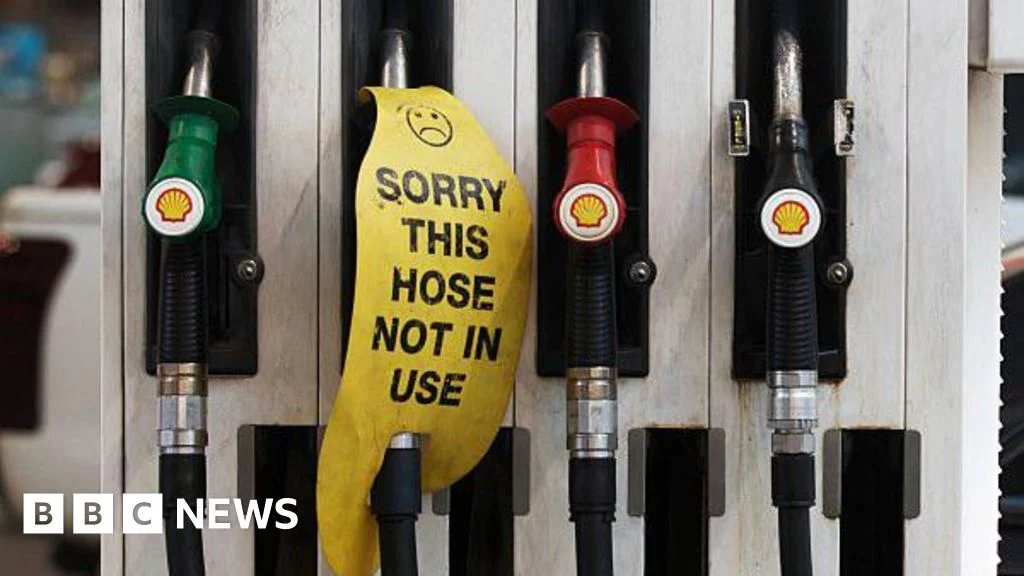
The Strait of Hormuz, a narrow waterway between Iran and Oman, is a chokepoint through which approximately 20-30% of the world’s crude oil and liquefied natural gas (LNG) passes. Its closure, a direct consequence of the conflict, has severely disrupted international shipping lanes, leading to an immediate and dramatic spike in the price of crude oil globally. For a nation like Australia, heavily reliant on imported refined petroleum products, this disruption has translated into unprecedented price hikes at the pump and significant uncertainty in its supply chain.
"The longer this war goes on, the greater the impact will be. But we continue to act to prepare and shield Australians from the worst of it," Prime Minister Albanese told reporters on Friday, acknowledging the severe global ramifications of the conflict. His comments came amidst growing public anxiety and an increasing number of reports detailing the immediate effects on daily life and commerce across the nation. There have been numerous accounts of truck drivers and other motorists stranded due to fuel shortages, particularly in regional areas, while businesses across various sectors report that soaring fuel costs are severely affecting their viability and operational capacity. The transport and logistics industry, the backbone of Australia’s vast supply chain, is particularly vulnerable, facing immense pressure to absorb or pass on these elevated costs.
The government maintains that current shortages experienced at petrol stations are primarily due to a confluence of surging demand and distribution issues, rather than a fundamental collapse in national supply. Energy Minister Chris Bowen, speaking alongside the Prime Minister, reiterated this stance: "For the next few weeks, Australia’s supply of petrol and diesel and oil will be the same, if not higher, than it normally would be." He emphasized that Australia’s strategic reserves and existing contracts should, under normal circumstances, ensure continuity of supply. However, the sudden shift in consumer behaviour, driven by fear and uncertainty, has overwhelmed the normal distribution network.
This shift is evident across the country. In Cairns, Queensland, a small independent garage exemplifies the typical struggle: it has completely run out of unleaded petrol, and the price of diesel has skyrocketed by an astonishing 85% compared to pre-war levels. The economic fallout for such small businesses, often operating on thin margins, is immediate and severe. Similarly, in New South Wales, Australia’s most populous state, a survey revealed that one in seven retailers are out of at least one type of fuel, indicating a widespread problem that extends beyond isolated incidents. From the bustling metropolitan hubs of Sydney and Melbourne to the remote outback towns, the sight of "out of order" signs on fuel pumps has become increasingly common, fueling public concern.
The financial burden on Australian consumers and businesses is substantial. The average retail price of petrol reached 238 Australian cents ($1.64; £1.23) a litre as of Sunday, a staggering increase from 171 cents just four weeks earlier, according to the Australian Institute of Petroleum. Diesel prices have seen an even more dramatic ascent; in Sydney, it rose to an unprecedented 314.5 cents a litre as of Thursday, as reported by the National Roads and Motorists’ Association (NRMA), marking its highest ever price. This surge in fuel costs is not merely an inconvenience; it translates into higher operational costs for virtually every sector of the economy, from agriculture, which relies heavily on diesel for machinery, to manufacturing, retail, and tourism. Ultimately, these costs are passed on to consumers, contributing to broader inflationary pressures and a rising cost of living.
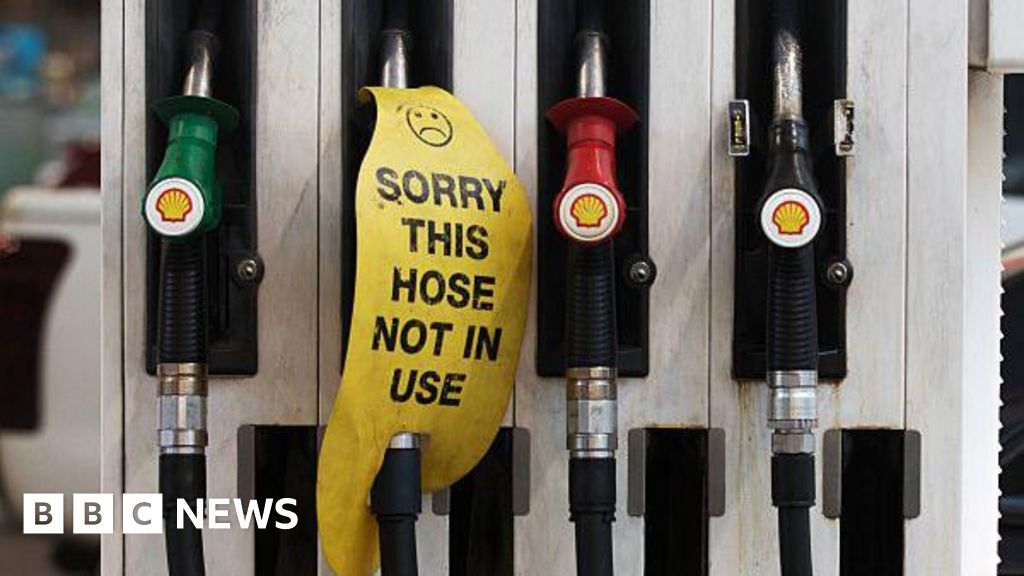
The widespread depletion of fuel stocks at hundreds of petrol stations across the country this week is largely attributable to the phenomenon of panic buying. NRMA spokesperson Peter Khoury explained, "People are filling up jerry cans of fuel and storing it in their garages," a behaviour reminiscent of other crisis situations. This rush to hoard fuel, driven by anxiety over potential future shortages, creates an artificial surge in demand that quickly exhausts local supplies, even if national reserves remain adequate. The psychological impact of seeing empty pumps and hearing news of price hikes can quickly snowball into collective panic, exacerbating the problem.
Adding to the complexity, the nature of Australia’s fuel supply chain means that independent petrol stations are particularly vulnerable. Khoury noted that these smaller operators often struggle to secure fuel because they do not purchase on long-term contracts, which are typically prioritised by major oil companies during periods of high demand and limited supply. This leaves independent stations at the mercy of volatile spot markets and potentially facing higher wholesale prices, making it difficult for them to compete or even secure stock. Furthermore, the vast distances involved in transporting fuel across Australia, from major ports to regional areas, mean that any disruption to trucking schedules or fuel availability for transporters can have cascading effects. "We’re hearing increasingly of transport companies telling their drivers that if you’re half full and you see diesel, buy it," Khoury added, highlighting the logistical challenges faced by the industry.
In response to the deepening crisis, Prime Minister Albanese is expected to convene an emergency national cabinet meeting on Monday. This high-level gathering will bring together state and territory leaders to coordinate a unified national response and discuss strategies to manage the ongoing fuel crisis. While the government has so far ruled out any form of direct rationing, the agenda is likely to include measures to stabilize supply, mitigate price impacts, and reassure the public.
Immediate government actions have already included releasing oil from Australia’s national stockpile, a strategic reserve designed for emergencies, and temporarily lowering fuel standards. The release of strategic reserves aims to inject additional supply into the market and alleviate immediate shortages, while lowering fuel standards can allow for a broader range of available fuel types to be distributed. These measures, however, are typically short-term solutions and underscore the severity of the situation.
Compounding the crisis, a natural disaster struck Western Australia just a day before the Prime Minister’s statements. A cyclone in the region triggered outages at two of the world’s largest Liquefied Natural Gas (LNG) plants, Gorgon and Wheatstone. Operated by Chevron, these facilities collectively supply approximately 5% of the global LNG market. While LNG is primarily used for gas, not liquid fuel, such disruptions to major energy production facilities inevitably add further pressure to already volatile global energy markets, potentially diverting resources or attention, and contributing to a broader sense of instability in the energy sector. This convergence of geopolitical conflict, natural disaster, and domestic panic buying has created a perfect storm for Australia’s fuel security, testing the resilience of its supply chains and the government’s capacity to manage a complex, multi-faceted crisis.



 George Anjay
 atisusanti
 Ramos Leo
 Roy Suryo
 Nana Banana