George Anjay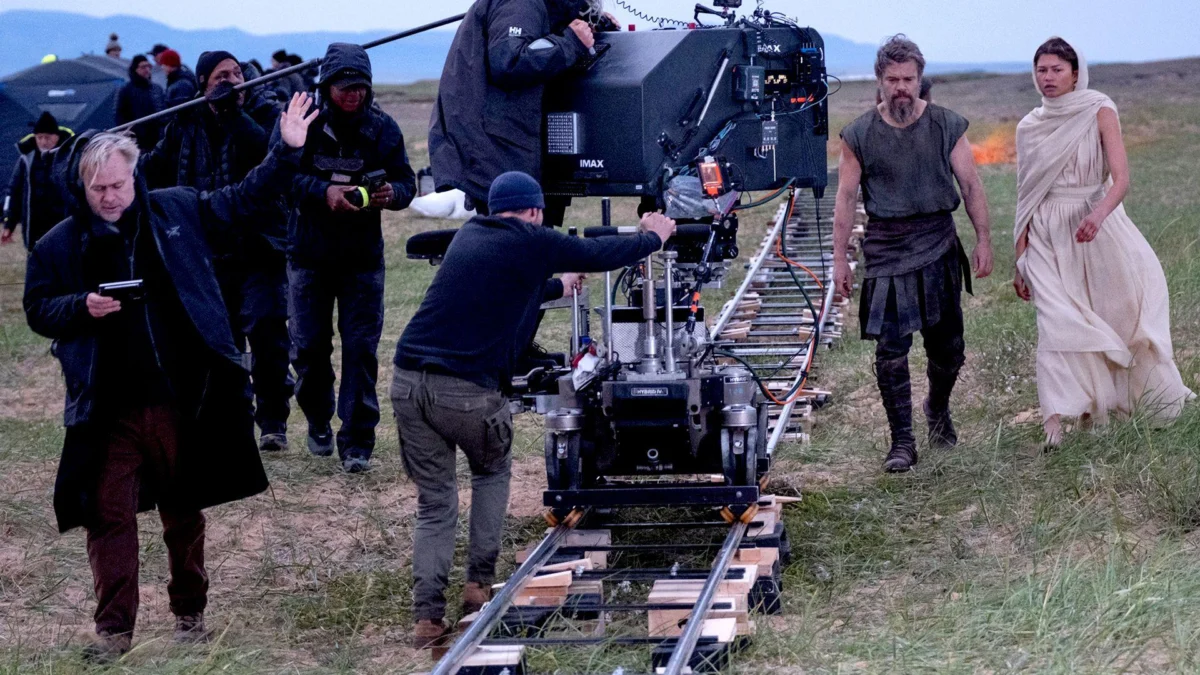
The acclaimed academic whose translation of Homer’s "Odyssey" was cited as an inspiration for Sir Christopher Nolan’s latest cinematic endeavor has delivered a scathing critique of the blockbuster, labeling it "gimmicky" and lamenting its lack of "sex" and "psychological depth." Emily Wilson, whose 2017 rendition of the ancient Greek epic garnered widespread praise for its accessibility and feminist perspective, expressed profound disappointment in a review published in the London Review of Books. She stated, "I would be ashamed to have written any of this script," characterizing the film’s narrative structure as inherently flawed.

Wilson’s critique was particularly sharp regarding the film’s writing and character development. "The writing is abysmal," she declared, elaborating that "none of the characters has convincing motivation for their actions or words." The absence of explicit content also drew her ire. "There are no sex scenes, and all the food looks horrible," she wrote, highlighting a stark departure from the original epic’s more visceral and human elements. The celebrated translator lamented the film’s superficiality, stating, "It lacks psychological, emotional, political and ethical depth."
Despite her severe reservations about the film itself, Wilson acknowledged the significant cultural impact of Nolan’s "The Odyssey." She conceded that the film’s release has undeniably reignited public interest in Homer’s timeless tale. "The release of The Odyssey is still an event to celebrate," Wilson noted, observing that "translations of Odyssey, including mine, are flying off the shelves." She expressed hope that the cinematic spectacle might even serve to protect academic departments. "[The film] will persuade a few college administrators not to cut their literature, language and history departments." Wilson offered a measure of gratitude to the director, stating, "Nolan… is doing his best to get the general public reading again, and I am grateful."
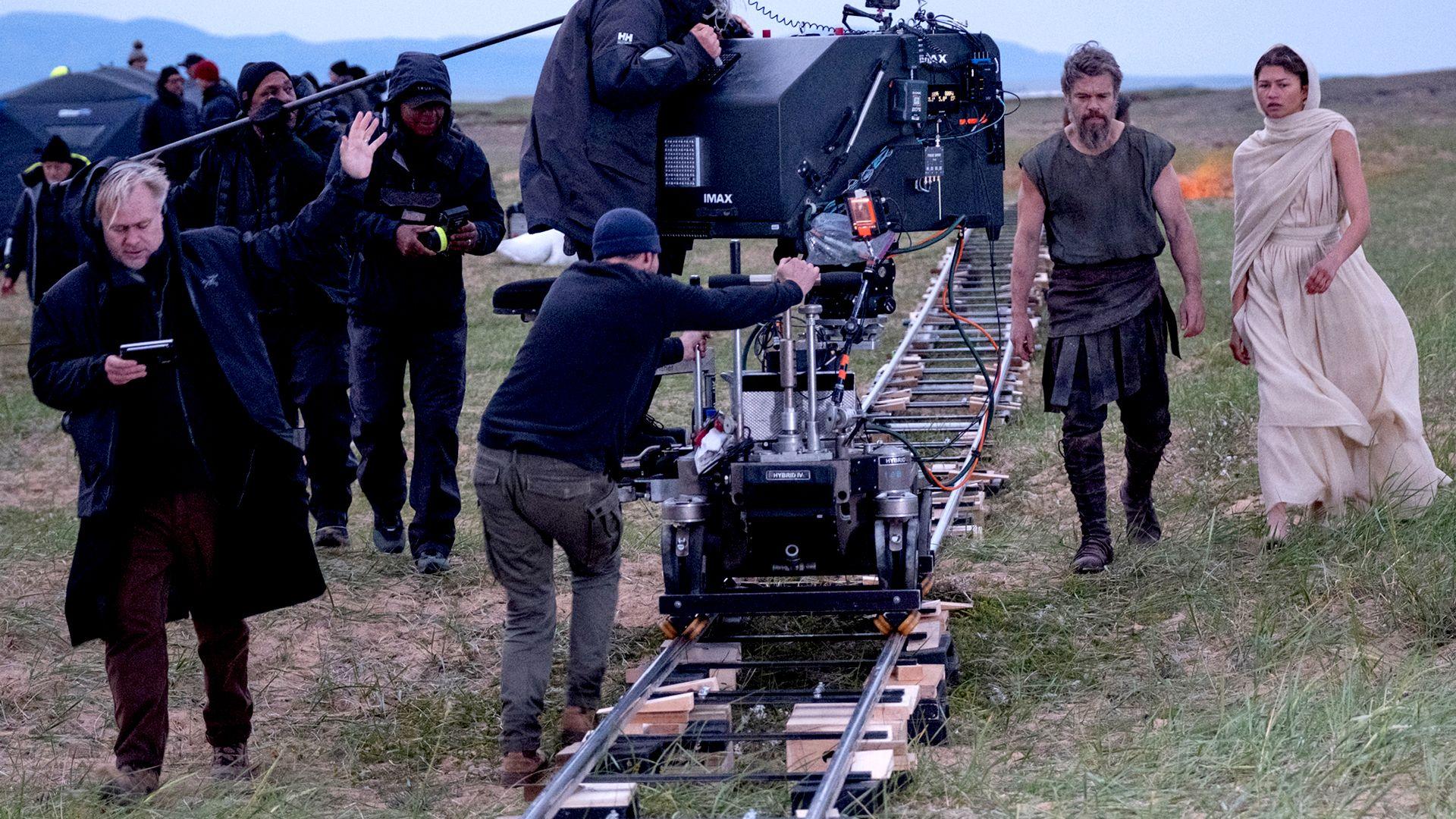
However, her appreciation for the increased readership did little to soften her overall assessment of the three-hour epic. "I had hoped that Nolan’s affinity with these Homeric themes might push him to new creative heights, and enable him to conjure more believable characters," she wrote. Her hopes were dashed, as she found "The Odyssey features his usual combination of grandiosity and superficiality." She concluded that "the film’s vision is too confused, its characters too underdeveloped, to deliver what it half-promises in terms of big ideas – although it is very good at conveying big bangs and big giants."
Wilson’s own teenagers, she revealed, had "had a good time" watching the blockbuster, describing the experience as akin to an "elaborate Fourth of July fireworks display – and with about the same level of narrative and emotional depth." She also noted an improvement in the representation of female characters compared to some of Nolan’s previous works, a direct consequence of the source material. However, she quickly pointed out the deficiency in their dialogue and agency within the film, stating, "But none of them has much to say, in contrast to the characterisations in the poem."
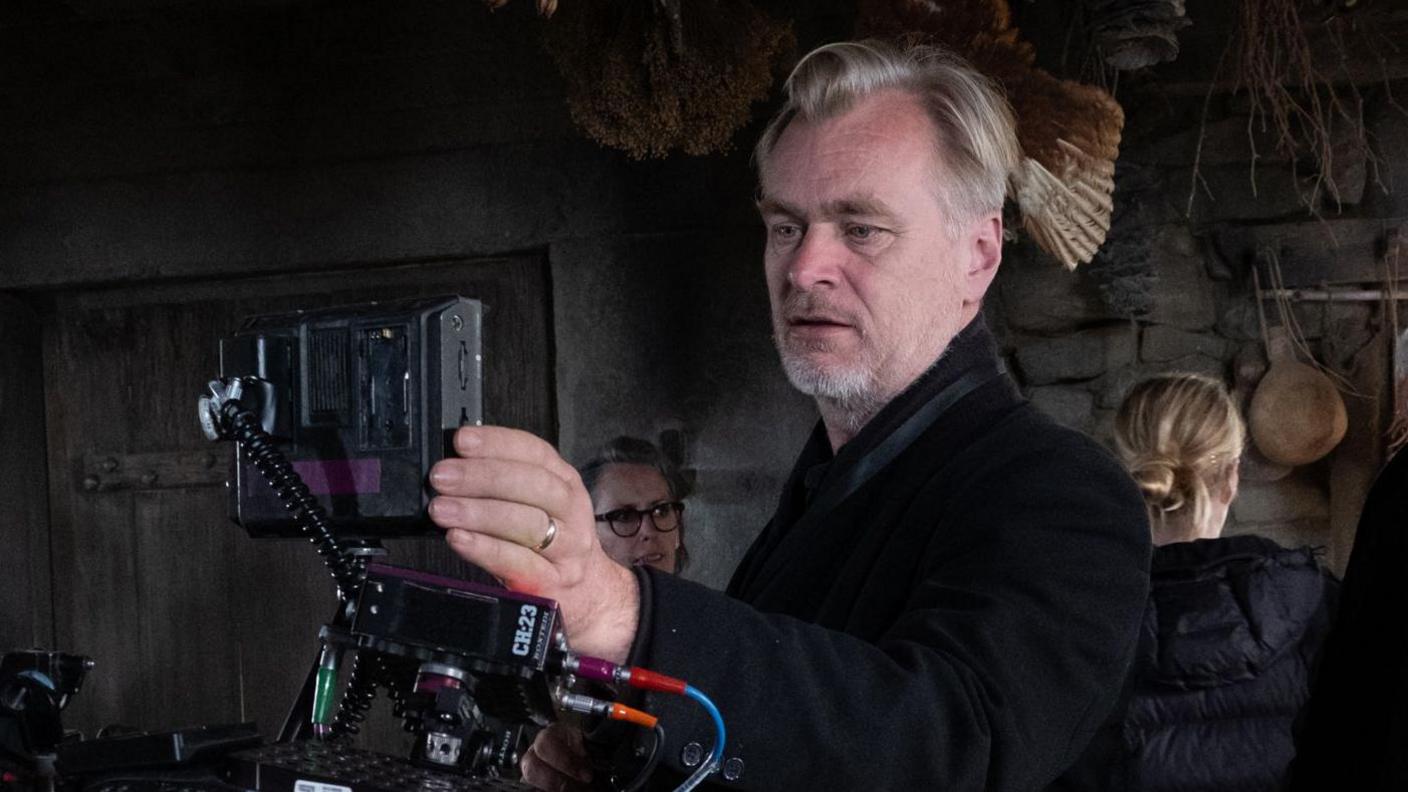
During his extensive press tour for "The Odyssey," Sir Christopher Nolan had openly discussed the influence of Emily Wilson’s translation. He revealed to Empire magazine that he used the opening line of her rendition, "Tell me about a complicated man," as a guiding principle for his portrayal of Odysseus, brought to life by Matt Damon. This direct acknowledgment of Wilson’s work only intensifies the sting of her subsequent criticism.
In stark contrast to Wilson’s scathing assessment, the cinematic adaptation of "The Odyssey" has been met with widespread critical acclaim. Hailed as a monumental achievement, the film is Sir Christopher Nolan’s first release since the critically and commercially triumphant "Oppenheimer," which secured the Academy Award for Best Picture. Critics have lavished praise upon the film, with The Telegraph boldly declaring it the "film of the year" and Metro confidently asserting that it would "change cinema forever." The Times echoed these sentiments, describing the movie as "a masterpiece in every way," while the Standard lauded it as a "colossal piece of cinema."
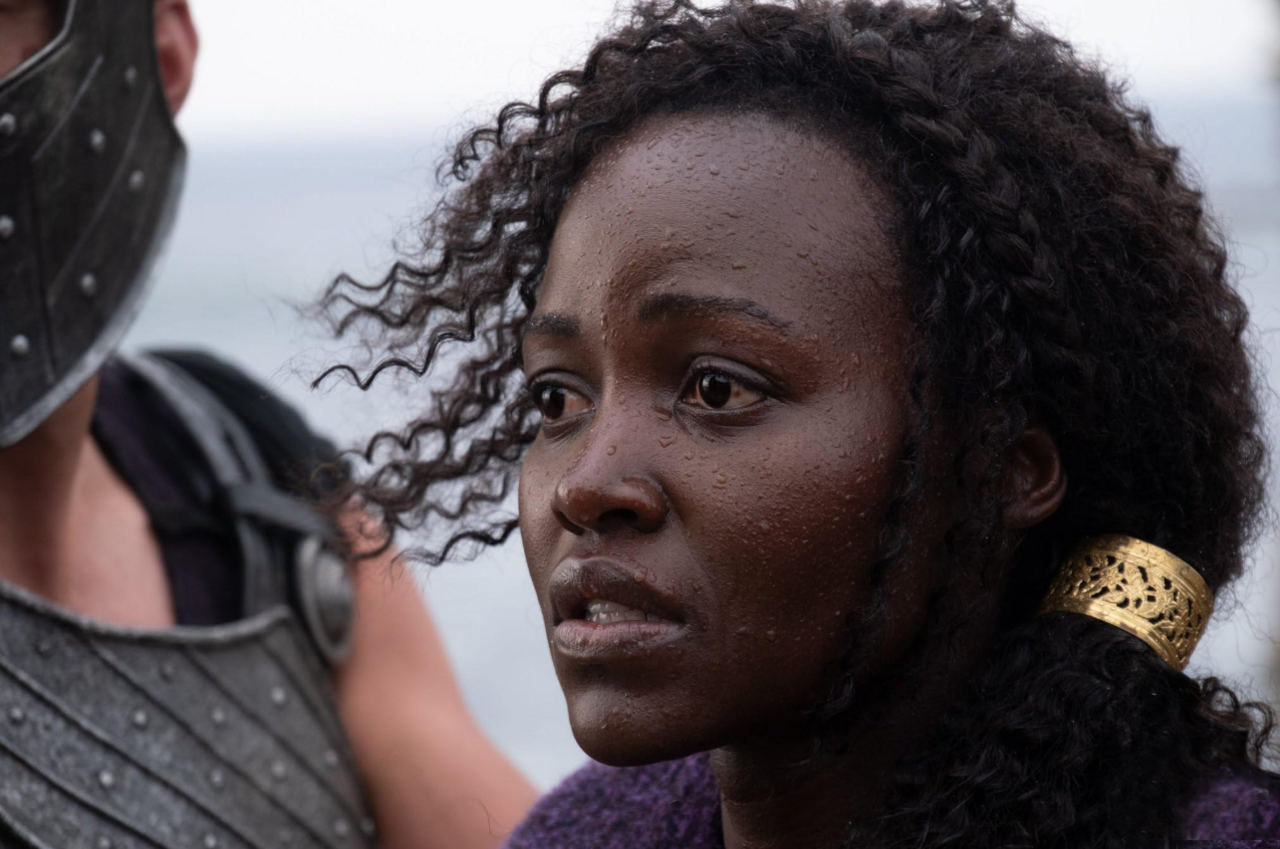
Released earlier this month, "The Odyssey" boasts an ensemble cast featuring some of Hollywood’s most recognizable stars. Zendaya, Tom Holland, Robert Pattinson, Anne Hathaway, and Charlize Theron join Matt Damon and Lupita Nyong’o in bringing this epic narrative to the screen. The film centers on the arduous and perilous journey of Odysseus (Damon), the king of Ithaca, as he strives to return home after the Trojan War to his devoted wife Penelope (Hathaway) and their son, Telemachus (Holland). The narrative grapples with themes of homecoming, loyalty, and the trials of a man’s enduring spirit against the backdrop of mythical challenges and divine intervention. The visual spectacle and grand scale, hallmarks of Nolan’s directorial style, are evident throughout the film, promising an immersive cinematic experience. However, the depth of character exploration and thematic resonance, as pointed out by Wilson, remains a point of contention for those seeking a more nuanced interpretation of Homer’s seminal work. The film’s commercial success underscores its broad appeal, while Wilson’s critique highlights the ongoing dialogue and debate surrounding faithful adaptation versus creative interpretation in the realm of classical literature on screen. The stark divergence in opinion between a renowned translator and the broader critical establishment underscores the subjective nature of art and the enduring power of ancient epics to provoke varied and passionate responses across generations and disciplines. The film’s ambitious scope and Nolan’s signature directorial flair have undoubtedly captured the public’s imagination, even as it sparks intellectual debate among scholars and literary critics. The contrast between the film’s critical reception and Wilson’s detailed objections provides a compelling case study in the interpretation and adaptation of classic literature in contemporary cinema.




 Nakalama John
 atisusanti
 Ramos Leo