
 Nana Banana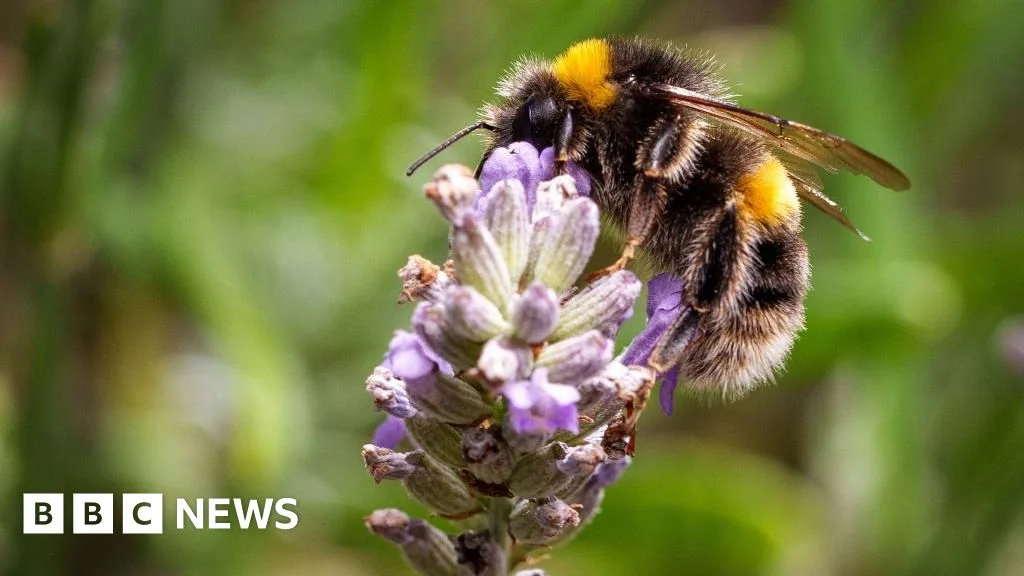
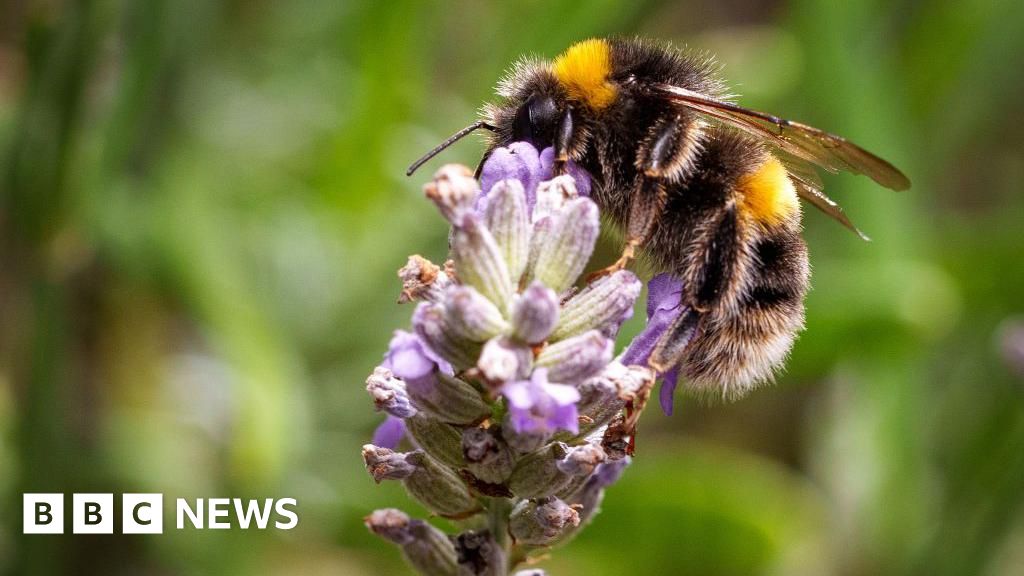
Drivers across south-east England are being urgently called upon to participate in a vital citizen science initiative, "Bugs Matter," aimed at monitoring the health of the region’s flying insect populations. The survey, which asks participants to count the number of insects that splat onto their vehicle number plates, is a collaborative effort by leading conservation charities Kent Wildlife Trust and Buglife. Kicking off for its current season on Wednesday and running through to 30 September, the project seeks to gather crucial data on insect trends, which are currently showing alarming declines with profound implications for the planet’s ecological stability.
The "Bugs Matter" survey represents a critical tool in understanding the silent crisis facing insect populations. Participants are encouraged to download a dedicated smartphone app, which guides them through the simple process of recording their journeys and the subsequent insect impacts on their number plates. After a journey, volunteers clean their number plate, take a photo through the app, and the image analysis, combined with their location and journey details, helps create a robust dataset. This innovative methodology allows for large-scale data collection across vast geographical areas, transforming everyday car journeys into valuable scientific expeditions. The data collected by thousands of citizen scientists provides an invaluable snapshot of insect abundance and distribution, far beyond what professional ecologists could achieve alone.
The urgency of this initiative is underscored by previous findings from the "Bugs Matter" survey itself. Data recorded between 2021 and 2025 has already revealed a staggering 59% decline in flying insect populations. This precipitous drop is not merely a concerning statistic but a stark indicator of widespread environmental degradation. Andrew Whitehouse, head of operations at Buglife, strongly encouraged residents in Kent, Surrey, and Sussex to participate, highlighting these counties as historically some of the UK’s richest regions for insect biodiversity. Their involvement is particularly crucial in establishing a baseline and tracking changes within these ecologically significant areas. The continued decline suggests a compounding effect of various environmental pressures, making ongoing monitoring more vital than ever.
Insects are the unsung heroes of our ecosystems, performing indispensable roles that are often overlooked until their absence becomes acutely felt. Whitehouse meticulously outlined the multifaceted contributions of these tiny creatures: they are primary pollinators for a vast array of crops and wildflowers, underpinning agricultural productivity and biodiversity. They act as natural pest controllers, regulating populations of species that could otherwise devastate crops and natural habitats. Furthermore, insects are fundamental decomposers, breaking down organic waste and recycling essential nutrients back into the soil, thus maintaining soil fertility and ecosystem health. Perhaps most critically, insects form the base of many food chains, supporting a wide range of birds, small mammals, fish, and other wildlife. As Whitehouse succinctly put it, "Without insects, the planet’s ecological systems would collapse," a dire warning that emphasizes the catastrophic consequences of their continued decline.
The causes of this widespread insect decline are complex and interconnected, ranging from habitat loss and fragmentation due to urbanization and intensive agriculture, to the pervasive use of pesticides that indiscriminately harm both target and non-target species. Climate change also plays a significant role, altering insect life cycles, migration patterns, and geographical distributions. Other factors like light pollution, which disorients nocturnal insects, and the spread of diseases, further exacerbate the problem. By quantifying the decline through initiatives like "Bugs Matter," scientists can better pinpoint the most impactful threats and develop targeted conservation strategies.
A significant and exciting development for the "Bugs Matter" survey is its recent expansion into France, a move heralded by Rosie Bleet, ecological evidence and citizen science lead at Kent Wildlife Trust. Bleet articulated the strategic importance of this cross-Channel collaboration, stating, "Given Kent’s position as the gateway between Britain and the continent, it feels like a natural next step." This expansion acknowledges the interconnectedness of ecosystems across national borders and the migratory patterns of many insect species. By extending the survey season and its geographical reach, the project aims to gather an even broader range of data, providing deeper insights into the broader plight of insects across Western Europe. This international collaboration offers the potential for more comprehensive analysis, allowing for regional comparisons and the identification of continent-wide trends, which can inform more effective, large-scale conservation efforts.
The expansion into France not only enriches the dataset but also strengthens the collaborative spirit of environmental conservation. It fosters a shared understanding of the challenges faced by insect populations across different landscapes and regulatory frameworks. The data gathered from both sides of the Channel will enable researchers to analyze how various land management practices, pesticide regulations, and climate impacts might differentially affect insect populations, providing a more holistic picture of the drivers behind their decline. This cross-border perspective is essential for developing comprehensive strategies that transcend national boundaries, reflecting the global nature of ecological crises.
Participating in "Bugs Matter" is remarkably straightforward and requires no prior scientific expertise, making it accessible to anyone with a vehicle and a smartphone. This ease of participation is key to the success of citizen science projects, which leverage the collective power of the public to generate vast amounts of data that would otherwise be impossible to collect. Every journey, no matter how short, contributes a valuable data point to the larger scientific endeavor. Volunteers are not just counting splats; they are actively contributing to a scientific understanding that can drive policy changes, inform land management decisions, and inspire broader public engagement with biodiversity conservation. The simple act of checking a number plate becomes a powerful act of environmental stewardship.
The data collected through "Bugs Matter" is meticulously analyzed by scientific teams at Buglife and Kent Wildlife Trust, who then use these insights to advocate for stronger environmental protections and to develop practical conservation projects. This includes advising landowners on creating insect-friendly habitats, campaigning for reductions in harmful pesticide use, and raising public awareness about the critical importance of insects. The alarming 59% decline serves as a rallying cry, urging governments, industries, and individuals alike to take immediate and decisive action to reverse these devastating trends. The survey is more than just a data collection exercise; it is a vital advocacy tool, giving a voice to the silent majority of the planet’s inhabitants that are so crucial for our survival.
In conclusion, the call to volunteers in the South East and now in France to take part in the "Bugs Matter" survey is a plea for collective action in the face of an ecological emergency. The ongoing decline in flying insect populations, as starkly evidenced by the survey’s own findings, poses an existential threat to our ecosystems and, by extension, to human well-being. By dedicating a few moments after each car journey, participants contribute to a monumental scientific effort that informs conservation strategies and raises awareness about the indispensable role of insects. The success of this citizen science initiative hinges on broad public participation, transforming everyday journeys into meaningful contributions to environmental protection. It is a powerful reminder that even the smallest actions can collectively lead to significant change, helping to safeguard the future of our planet’s vital insect life.



 George Anjay
 Nakalama John
 atisusanti
 Ramos Leo
 Roy Suryo